MW 11:00 - 12:15, 834 Mudd
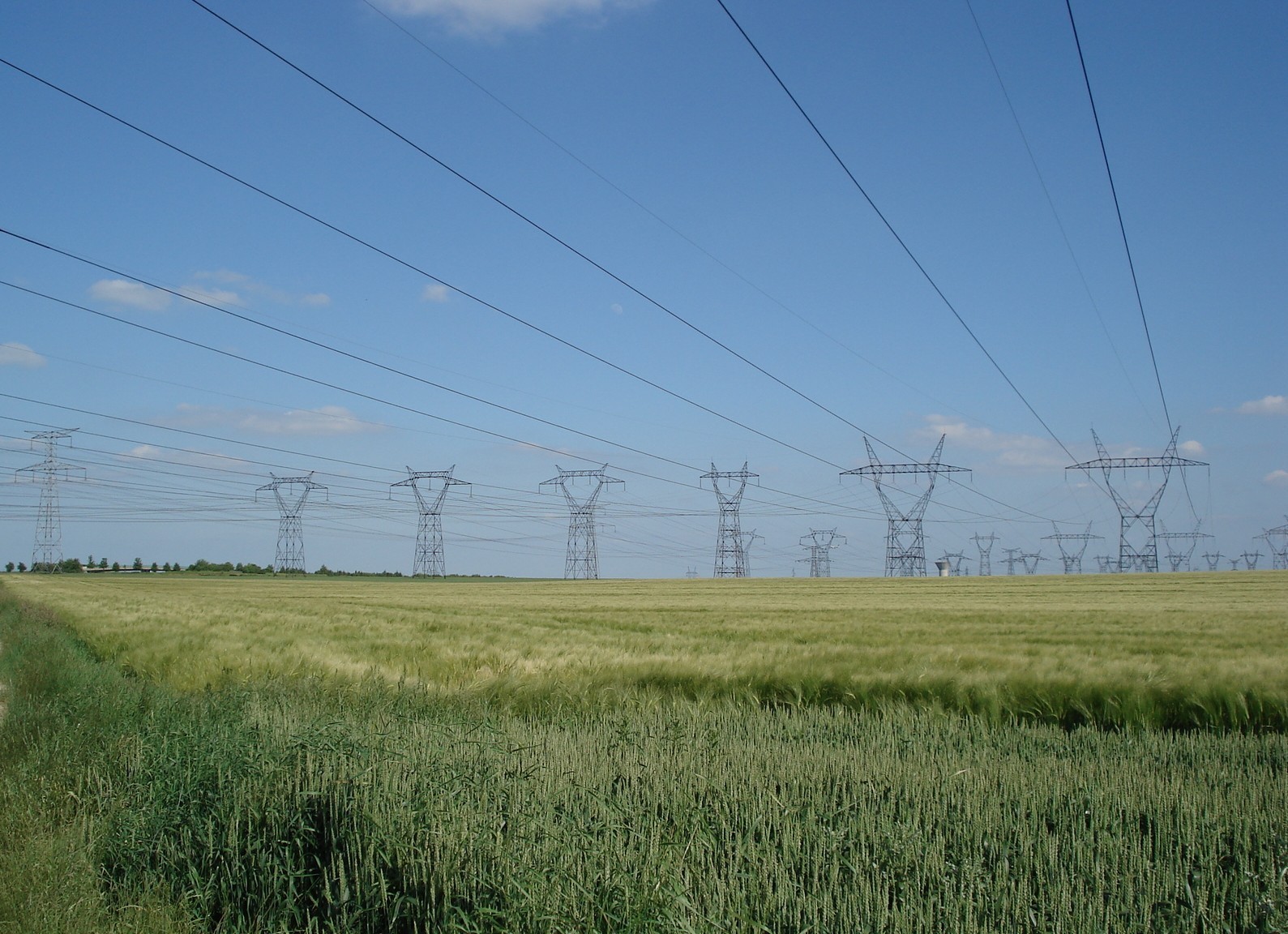
Introductory notes (mostly from Wikipedia)
Supplementary materials
HW
This course focuses on the backbone
of modern power grids: transmission systems. We will examine a
number of interesting problems arising in the operation, design and
analysis of transmission systems from the perspective of Computational
Mathematics and Operations Research. The initial lectures will
draw from the textbook; some of the later lectures will consist
on presentations by student teams. Additionally, the course will
have a computational component in the form of a final project.
Students interested in this course should have a working background on
Linear Algebra, some knowledge of Physics and Calculus, and should be
able to program at least in Matlab and preferably also in some
high-level language such as C, C++ or Java.
We will rely on the following textbook: "Power Systems Analysis," by A. R.
Bergen and V. Vittal (2nd edition, Prentice-Hall).
Additional material from several sources will also be provided.
A broad outline of the course is as follows:
Last
revised: Feb 1 2012