Mary C. Means
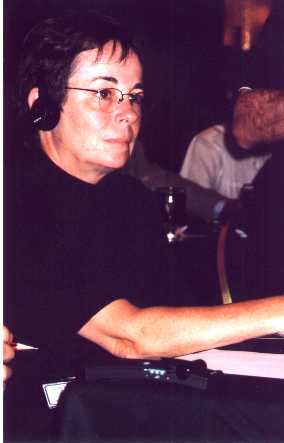
Mary C. Means
Mary Means is recognized as a national leader in heritage development in the United States. Prior to forming the community planning firm she heads, Means was Vice President of National Trust for Historic Preservation, where she is most well-known for having created the National Main Street program, an integrated approach to small town revitalization which has now helped more than 2,000 communities in North America bring life back into their older town centers.
Means has extensive experience in community-based strategic planning, often involving the need to bridge boundaries: jurisdictional, organizational, socio-economic, and disciplinary. Her active involvement in national networks, coupled with an active calendar of conference and teaching engagements, keeps her abreast of ‘best practices’ in community development, civic engagement and heritage tourism.
Means received her Bachelor of Arts in humanities from Michigan State University, her Master of Arts in history from the University of Delaware, and was a Loeb Fellow at Harvard University Graduate School of Design. She was founding chairman of the board of the National Coalition for Heritage Areas and has claimed the program for three national conferences on heritage development and cultural conservation.
Mary Means & Associates, Inc.
Mary Means & Associates, Inc. serves client communities throughout the eastern United States. During the last decade, Means has led or been a major contributor to multi-disciplinary teams responsible for several nationally important large regional heritage development efforts, including the former coal and steel heritage region along the Delaware & Lehigh Canal in Pennsylvania, and the cradle of industrialized agriculture in Northeastern Iowa, Silos and Smokestacks National Heritage Area.
Means has also led many successful community-based strategic planning efforts, which have galvanized support for positive change in struggling downtowns, older neighborhoods, and fast-growing communities. Examples include Rutland, Vermont’s Redevelopment Strategy, which has served as a blueprint for $45 million in new investment and dramatic change in the city’s image and civic health. For Little Rock, Arkansas she designed and managed the large-scale (400 active participants, 14 months) community goal setting process that led to widely-supported changes in the form of government and consensus that crossed traditional and racial and political boundaries. The Connecticut Scenic Roads planning project led to collaborative partnerships between the state highway department, 14 towns and many civic organizations actively implementing programs of scenic conservation and heritage development.