







Low Plaza

Lamont-Doherty's Mutter Appointed Associate Vice Provost Of Columbia's Earth Institute

By Suzanne Trimel

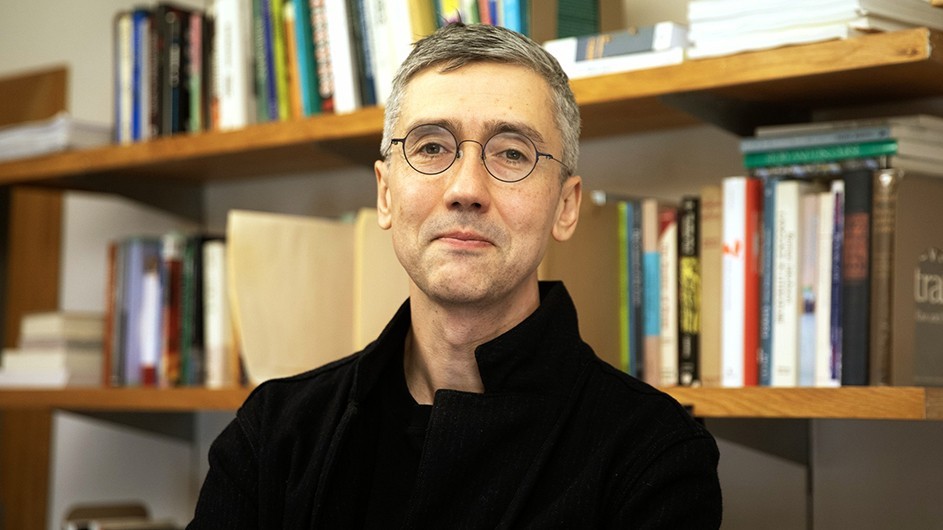
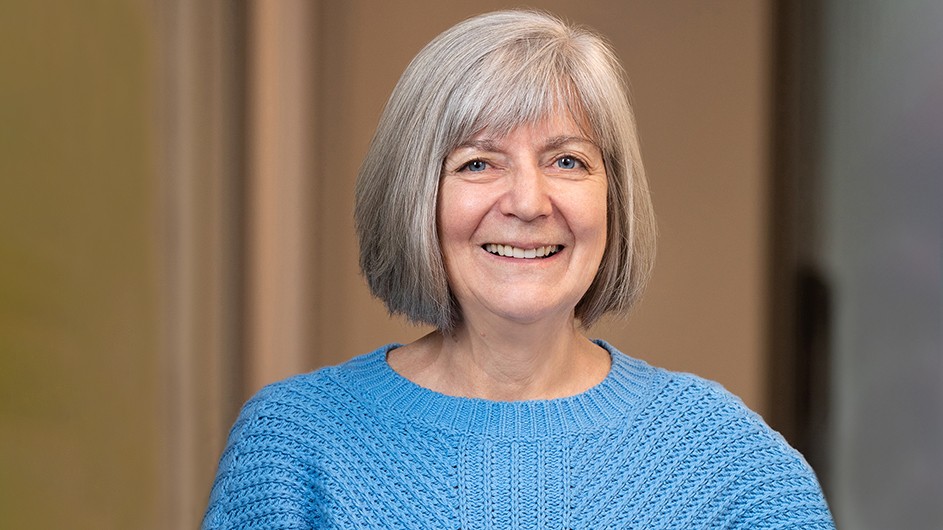
John Mutter

Columbia's Earth Institute is taking new steps to bring together scientists and non-scientists--economists, cultural anthropologists, legal and international affairs scholars and others--to address a key question raised by recent advances in our understanding of Earth's processes: how can humans modify their behavior to sustain life on Earth?

Opening new areas of research and expanding collaborations among faculty and schools in diverse disciplines is a key goal of the Earth Institute under the leadership of Executive Vice Provost Michael Crow. Columbia is one of the first universities to develop a multi-disciplinary approach to the field of environmental and earth sciences at the university level.

With the appointment of Professor John Mutter as associate vice provost, Crow has moved to strengthen the Earth Institute's goal of expanding collaborations between the natural sciences, social sciences, humanities and professional schools, such as law, medicine, public health and engineering. In his new position, Mutter will be in charge of day-to-day programmatic and administrative efforts to develop multidisciplinary programs and research, effective Dec. 1. Mutter, who for nearly six years served as deputy or interim director of Lamont-Doherty, will continue at Lamont as executive deputy director.

"John Mutter has the depth of experience and broad training to reach out beyond the science community to build the network of researchers and scholars necessary for the Earth Institute to fulfill its mission," said Crow.

Mutter said over the past several decades advanced research in the natural sciences has demonstrated the profound consequences of human activity on Earth's processes, such as the climate, the atmosphere, and the oceans. He cited the need to reduce greenhouse gases as an example of a case where experts believe intervention is necessary and a collaboration between scholars of the law, government and scientists could produce a meaningful plan of action. "Along with earth scientists, we need to bring the thinking of lawyers and anthropologists and others to bear on this issue," he said.

He noted that the advanced understanding of natural systems has resulted in unexpected dilemmas. For instance, he said the occurrence of El Niño has had an economic impact on fishing off Peru because fish migrate elsewhere during that period. "With study, perhaps the government could find a more systematic way to assist the fishing industry during this period," Mutter said.

Mutter, a native of Australia who earned a doctorate in marine geophysics at Columbia in 1982, has been professor of earth and environmental sciences since 1991 and served as associate director for geophysics and geology and interim director of Lamont from 1994-1996 and again in 1999-2000. His principlal area of research, marine seismology, has focused on an understanding of how the Earth's crust was formed and evolved.

Mutter will continue as interim director of Lamont-Doherty until Dec. 1, when the position will be filled by G. Michael Purdy, also a marine seismologist and currently division director of ocean sciences at the National Science Foundation.

Published: Nov 17, 2000
Last modified: Sep 18, 2002


Search Columbia News    Advanced Search  Help

Phone: 212.854.5573    Office of Public Affairs