



Low Plaza

Historian Henry Graff Says American Presidency Is Losing Prestige

By Jason Hollander

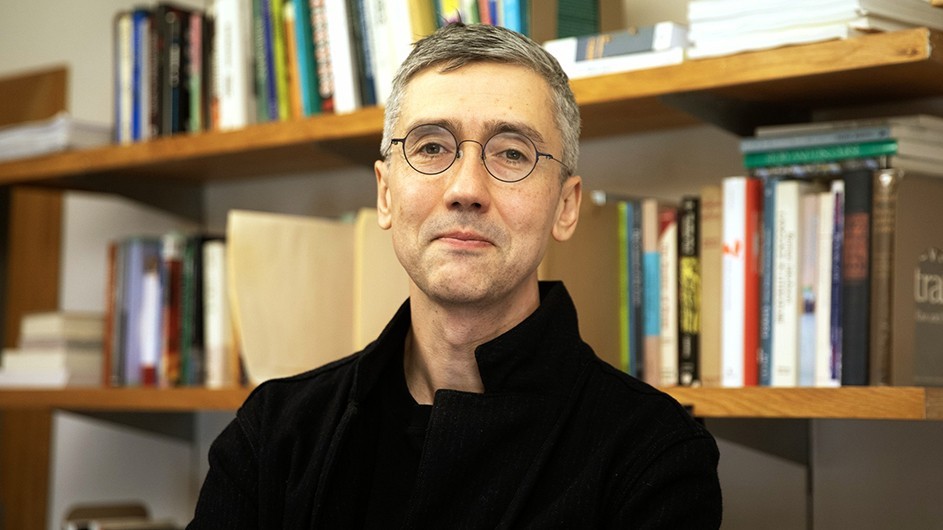
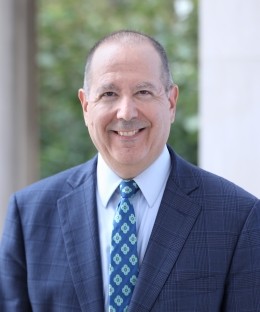
Henry Graff (left), professor emeritus of history, and Bernard Sunshine, president of Columbia's Alumni Federation. Graff gave a lecture titled "A New President, Again," during a luncheon hosted by the Alumni Federation at the Columbia Club in midtown.

Henry F. Graff, who taught this country's first course on the history of the Presidency, is uncomfortable with the way America's highest-elected public office is being perceived and conducted. He cites the coming Nov. 7 election as a signal that reverence for the position of our nation's highest officer has dangerously diminished.

"There's a levity in this campaign, a new cynicism about politics," said Graff, professor emeritus of history. "This is very worrisome. In the new century, there's no sure way of saying what problems are coming down the line."

Graff gave a lunchtime lecture last Thursday titled "A New President, Again" in the Columbia Club in midtown. Regarding the major party candidates for the 2000 election, Vice President Al Gore and Texas Gov. George W. Bush, Graff said, "Neither is fully what we want."

Both candidates, he noted, are tagged with fundamental imperfections. "Gore may be the first candidate who's significantly damaged himself by appearing before the public," he said. As for the pervading question of Bush's intelligence, Graff joked, "Reagan was not a learned man, yet already we have two great monuments for him."

Graff attributes a melting of presidential politics and public entertainment to the lessening of traditional respect for the office. American President's now feel the need to attach themselves to newsmakers because today, Graff said, "there are other leaders in society."

Two examples referenced were Jimmy Carter's visit to the Pittsburgh Pirates' locker room after their victory in the 1979 World Series and Bill Parcells dumping popcorn on Ronald Reagan (as if it were Gatorade) at the White House after the Giants' Superbowl win in 1987.

"I don't think this is the way the Presidency should be conducted," said Graff. "I don't think the President should appear on talk shows." Graff's concern with presidential perception is rooted in fear for a leader who does not inspire trust. The question that needs to be asked, Graff said, is, "Do we have sufficient gravitas when the moment comes that the President says 'follow me'."

Part of the problem of leadership, he noted, stems from the reliance of modern Presidents on polls. "They know what's popular and that's the road they take," Graff said. Polls have become so important to Presidents that now a staff pollster is employed along with White House chauffeurs, photographers and valets. The pollsters, he said, are basically there to tell the President what to think.

The media whirlwind that puts politicians under a microscope is partly to blame for the intense scrutiny that Presidents are subjected to. "In the 19th century, most people didn't know what the President looked like," Graff said. "Now we focus on their tie." He explained that this examination of the President allows for "the old story of intimacy breeding contempt." Still, Graff said, the public relishes details about the President, especially regarding personal issues. "We like scandal, we like the dirt. We like dishing it."

Putting his concerns into context, Graff referred to a letter John Adams wrote to his wife, Abigail, shortly after he began his term as the second President. He told her that he believed someday the American Presidency would become more important than any other elected office in the world. By the end of Adams' term, many of Europe's highest elected-positions had in fact been eliminated by revolution or a change in governmental structure. "There's a lesson here for us," said Graff. "We'd better learn it, the hour is late."

At the conclusion of Graff's lecture, which was hosted by Columbia's Alumni Federation, one alum asked to hear something positive about the upcoming election and the future of the position. "Presidents surprise us," Graff said, "Many blossom while in office." However, he added, "Whoever gets in will need a lot of blossoming."

Published:
Last modified: Sep 18, 2002


Search Columbia News    Advanced Search  Help

Phone: 212.854.5573    Office of Public Affairs