






 |
|
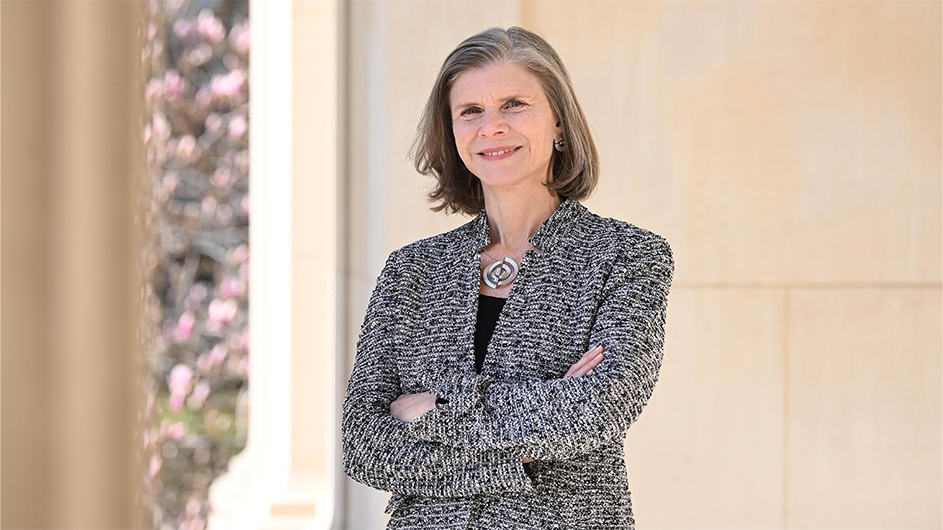
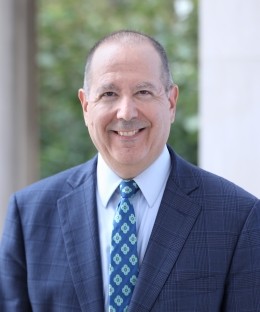
Mark Burstein
|
If Columbia is going to support cutting-edge research and teaching on a century-old campus, it must have a robust plan to upgrade and enhance facilities and be creative in using existing space.
That plan, which includes major renovation and construction projects to be completed in the next three years, was presented to the Columbia community and area residents on March 21 during the Capital Projects Open House in Lerner's Roone Arledge Auditorium. Over the next three years, four McKim, Mead and White buildings and others central to the academic mission will continue to be updated and upgraded, setting the tone for the current capital construction plan estimated at $800 million.
"The current plan focuses on adding and improving spaces that will significantly improve the teaching and research environment on the Morningside campus," said Mark Burstein, vice president for facilities management, the host of the event. "Although most members of our community focus on new construction projects, the majority of the work to be completed will address system and infrastructure issues in existing academic buildings."
More than $550 million will be spent on the Morningside campus. By 2004, the infrastructure and systems within Avery, Chandler, Hamilton and Low will be upgraded and classrooms improved. The Black Box Theater, WKCR radio station and meeting rooms in Lerner Hall will be completed. Earl Hall and St. Paul's Chapel will receive new roofs and their exteriors will be weatherproofed. Another phase of the multi-year renovation programs in Jerome Greene and Uris Halls will be completed. There will be a new crew facility and tennis center at Baker Field. Two large lecture halls in Pupin and Schermerhorn will be renovated and upgraded, including technology. Graduate and undergraduate reading rooms will be renovated in Butler Library. And several other minor projects will be underway.
Three new buildings will also be completed or underway on Columbia-owned sites within the community—a new Law School residence, a new facility for all functions of the School of Social Work and the faculty residence/K-8 school at 110th and Broadway.
The plan is not only defined by renovations and improvements to existing space and new construction, but also the creation of new space previously unused or underutilized. In the case of the Institute for Social and Economic Research Policy (ISERP) and the Language Resource Center (LRC), 9,500 sq. feet of space will be built out beneath the walkway between SIPA and Law to accommodate new offices, classrooms and a language laboratory.
For many in the audience, the projects presented were not a surprise. "The constant dialogue about construction is what makes us unique as an institution and makes our program more successful," said Burstein, who noted that Columbia has a hotline (854-2595) where community members can direct their questions.
For others in the audience, the event itself was a pleasant surprise. "This meeting is a first," said Marie Runyon, a nearby resident who was invited to the event. "It shows Columbia, the institution, is concerned about something around it."
In addition to Morningside campus projects, the current capital plan includes work at the Health Sciences campus, construction of the off-site book storage facility in Princeton, N.J., and the construction of a new geochemistry building at the Lamont-Doherty campus and Audubon III, a new 300,000 sq. foot facility on the Health Sciences campus.
|