














 |
|
A patient undergoing light therapy
|
One out of every 10 women will suffer from clinical depression during pregnancy—which puts them at increased risk for postpartum depression. Many expectant mothers resist taking antidepressant medications, fearing the potential, often unknown, dangers drugs may pose to fetal development and to the long-term health of the child. Researchers from the New York State Psychiatric Institute at Columbia-Presbyterian Medical Center, in conjunction with Yale and the University of Louisville, are conducting clinical trials to develop light therapy as a safe, effective alternative to traditional medication-based treatments for antepartum depression.
The clinical trial involves the close work between each patient's OB/GYN and study psychiatrist Deborah A. Deliyannides, who has extensive clinical experience with pregnant women and mothers who have suffered depression. Participants will be assigned to one of two treatment groups—each representing a specific dosage of light therapy, one of which is designed to be more effective than the other. They are asked to reserve an hour each morning for light treatment to begin ten minutes after awakening (using a new light box especially for this study). Treatment continues on a daily basis for five weeks; progress is monitored through clinical visits, telephone contacts with staff and periodic measurements of melatonin (a naturally occurring hormone). Changes in the timing of the brain's release of melatonin—measured in saliva—may indicate an underlying mechanism of the antidepressant response to light therapy.
After the initial five-week period, participants will have the opportunity to continue with treatment—and try different light doses if the first one is inadequate—up until and after the birth of their babies. Participants in the study receive expert clinical evaluation, treatment and the loan of treatment apparatus at no cost.
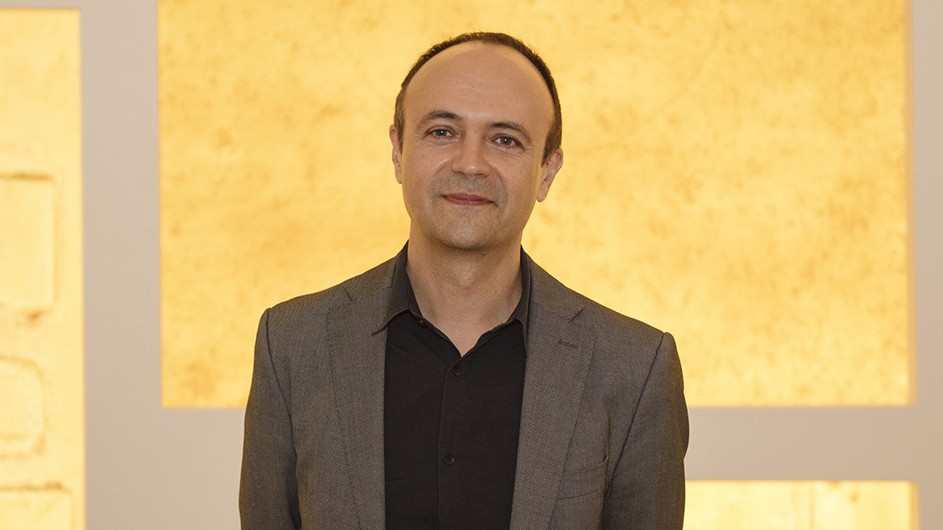
Bright light therapy, which has been used successfully in individuals with winter depression, has already shown promise with depressed pregnant women in preliminary trials. Principal Investigator Michael Terman, director of the Clinical Chronobiology Program at the New York State Psychiatric Institute and professor of clinical psychology at Columbia's College of Physicians & Surgeons, says: "Treating depression is an enormous challenge, and this research offers a constructive new option for pregnant women and their families." Terman's previous studies have shown that light therapy often delivers a rapid antidepressant response—often within days—and with negligible side effects.
Pregnant women face unique challenges and can become overwhelmed by the physiological, career and family changes that accompany pregnancy. This makes them susceptible to depression and reluctant to seek treatment.
"I felt really, really hopeless," said a recent participant who had experienced antepartum depression. "All the fun stuff you're supposed to do when you're pregnant, I couldn't do, didn't do, and I didn't want to do. A natural childbirth was important to me—if I wasn't going to use an epidural, I certainly didn't want to use Prozac for my depression. Light therapy made a huge difference."
For more information, the Clinical Chronobiology Program at Columbia Presbyterian Medical Center can be reached at 212-543-6118. A study description and application form are also available at http://www.pregnancylight.org/.
|