


 |
|
Peter Awn, Dean of the School of General Studies
|
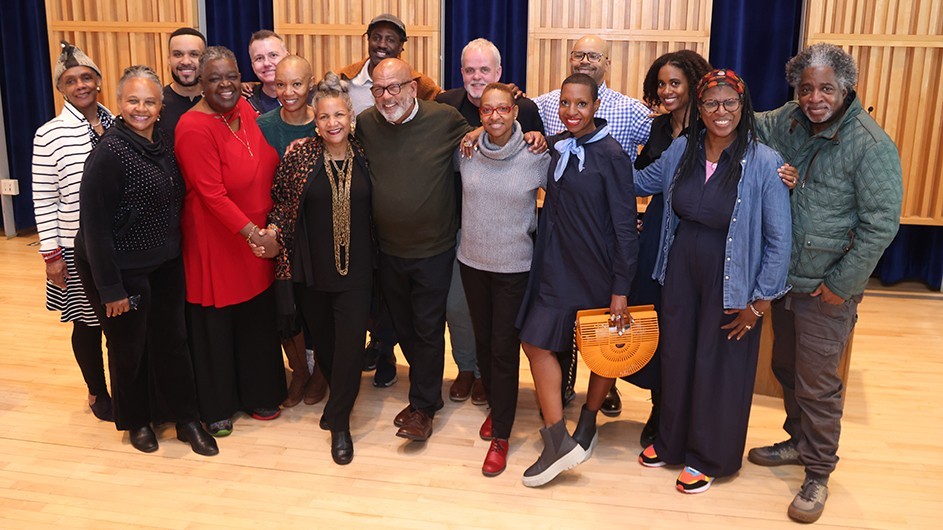
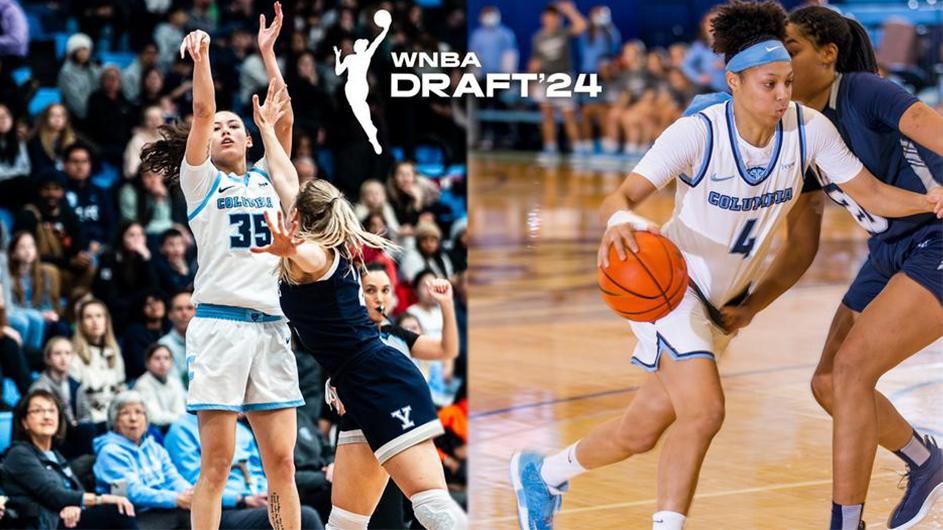
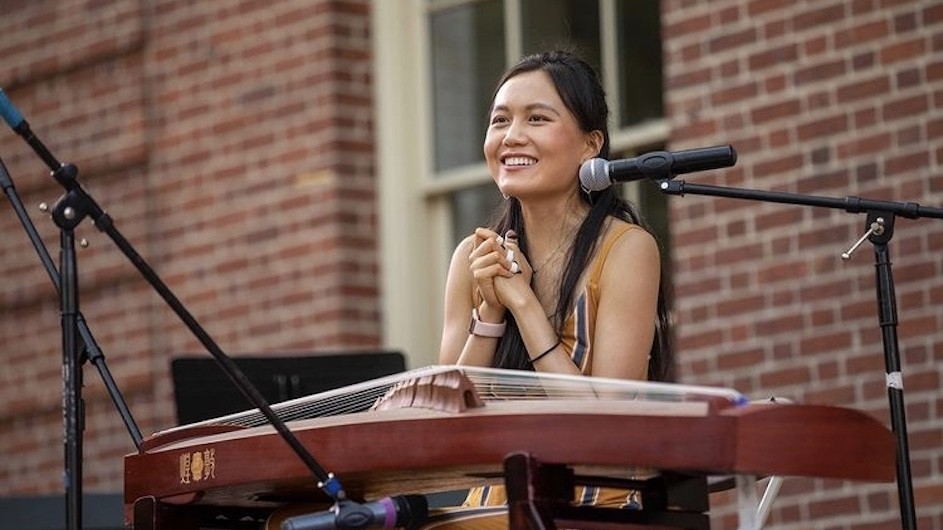
Mid-career professionals seeking a second undergraduate degree, and dot-com casualties and Broadway performers completing their first, these are some types of students who comprise the School of General Studies (GS). General Studies is a model unique to Columbia. It is the university's college for non-traditional students who have interrupted their education and wish to complete their undergraduate degree in a rigorous academic environment.
Over the past decade there has been a dramatic change in the demographics of college students, with a strong shift towards "non-traditional" students. The New York Times reports that only 20 percent of the 15 million students in colleges throughout the country fall into the stereotypical definition of a "traditional" college student. Columbia has reached out to these students through the School of General Studies.
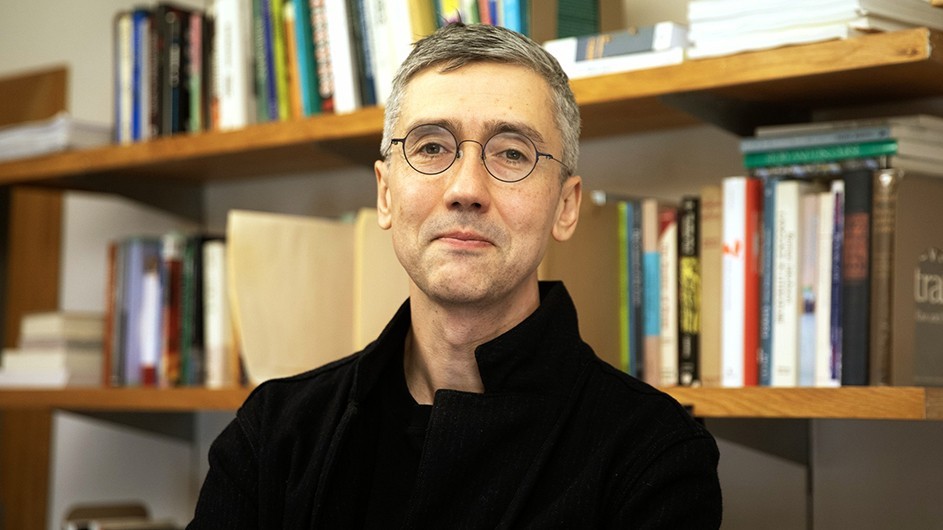
Since the restructuring of GS in 1995, its success has far exceeded expectations, reports Peter Awn, Dean of the School. "The School of General Studies is one of the most successful and high-end examples of a college catering to the overwhelming percentage of students that are considered non-traditional," says Awn. GS provides an excellent opportunity for students to have a "second chance" to pursue an Ivy League education. With enrollment around 1,600, GS offers the advantage of being a small, boutique college that is part of a large, diverse university community.
What sets this school apart from other universities' programs is the fully integrated system whereby GS students sit in the same classrooms with more "traditional" Columbia College students, engaging in the same rigorous courses taught by regular Columbia professors. At other universities, particularly in the Ivy League, returning students are a segregated population, often taught by part-time instructors, adjunct professors or graduate students.
Dean Awn describes GS students as an incredible array of people who contribute to the diversity of Columbia. Students range in age from their late teens to their 60s, with the average age being 29. These students bring an average of 8 to 10 years of additional life experiences to the classroom, adding richness to the courses and interesting points of view that traditional students as well as professors appreciate.
In the past there was a perception that because GS students were older, they were less capable of excelling in the hard sciences. This perception has been dispelled in recent years through strong growth in the number of biology, chemistry and pre-med majors. Moreover, the General Studies post-baccalaureate pre-med program has one of the best reputations in the country. Each year about 90% of students in this program are accepted into medical school the first time they apply.
Success at the School of General Studies is demonstrated through the depth of the applicant pool and the increased quality of students who may select a major from over 50 fields. Since 1995 the applicant pool has increased 54 percent and the incoming class size has grown by 20 percent. This feat can be attributed to the leadership of Dean Awn and the emphasis he has placed on improved student services. Given the special challenges facing GS students, many of whom balance families and jobs along with academics, Awn recognized the students' needs for access to financial assistance as well as assistance managing their finances and created a new position to help students with these matters.
The marketing and admissions processes have also undergone changes under Dean Awn. Unlike other undergraduate programs for returning students, Columbia's promotional materials do not promise to get students through a degree program quickly. GS caters to students willing to make a strong commitment to their education and the brochures outline the rigorous academic process, including the need for day study, which makes Columbia unique.
Admissions staff spends time with prospective students on the front-end, getting to know them and their goals, explaining what GS is and determining if they can succeed in the program. As a result of this pre-screening process, the School of General Studies boasts quality students with a strong commitment to their education and consequently most students complete their program of study. In fact, more than 70% of GS students go on to pursue advanced degrees.
There are also technological augmentations on the horizon. The Ancient and Classical Traditions class will again be offered as a paperless course in the fall. Additionally, GS has forged a relationship with the Center for New Media for Teaching and Learning and this fall they will open a high-tech experimental classroom where three or four core courses will be conducted with enhanced technology. The School is also working with the Center to offer a digital tutorial lab where tutorials would be offered online.
"Since our student population is predominately non-residential we are working to enhance the pedagogy and academic progress to enable all students to participate fully, on or off site," says Awn. He sees technology as a "hybrid model" tool for students to access information and interact with other students and faculty.
Over the past six years GS has made tremendous strides toward its goal of providing high-end educational opportunities to returning students. The success is demonstrated through the increased diversity and quality of applicants and their commitment to the program, as well as the improved image of the School in the Columbia community.
Awn feels that one of the biggest changes he has seen since becoming Dean is the change in culture and attitudes of the University towards General Studies and he is pleased that the School has taken its place as an equal member of the University.
With the growing numbers of "non-traditional" students returning to the classroom, Awn looks forward to continuing to provide a unique educational opportunity that mutually benefits General Studies students and the University as a whole.
|