









|
The first time Ellen DeVoe's 18 month-old son started turning off the television set, she and her husband thought it was cute. But when she noticed he was only punching the off-button when images of the World Trade Center attack and the ensuing war came across the news, DeVoe knew her son might be reacting to the Sept. 11 tragedy.
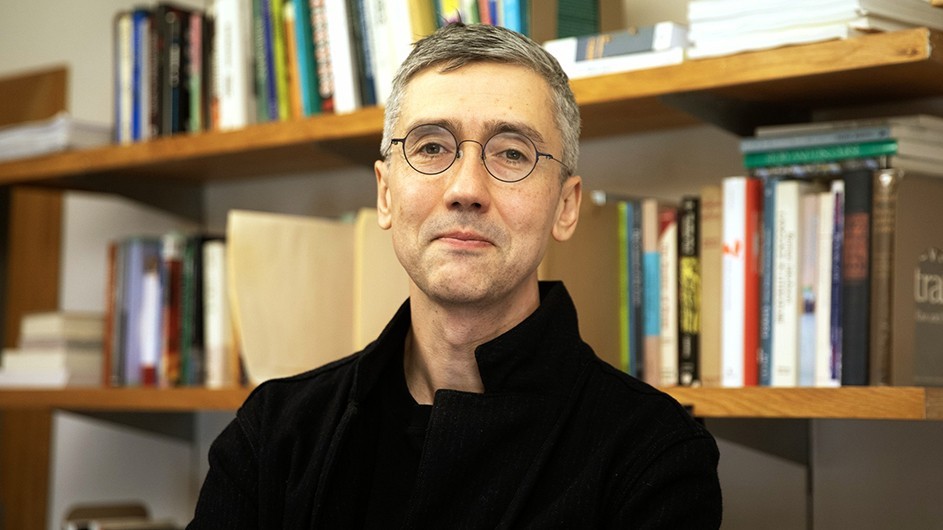
DeVoe ought to know: as an assistant professor in Columbia University's School of Social Work who has studied trauma in children, DeVoe is aware that her child's reaction is not unique. All over the city, children of all ages have been responding to the crisis in a variety of ways, and parents, teachers, and social service workers are learning to help.
"We cannot undermine a child's resilience in dealing with crises because often kids are better at these things than adults," Devoe says. "But that doesn't mean they're not affected. From toddlers to teens, kids are reacting in lots of different ways."
Some of those ways might be easy to spot, while others are not as obvious. Some children, for instance, are having trouble concentrating in school, sleeping through the night or withdrawing from usually enjoyable activities, symptoms experts associate with trauma of any kind. Other children might detach from the pain of the moment, ask the same question over and over, regress in their behavior or act out in frustration or terror, according to the National Association of School Psychologists.
The point is children are feeling the loss of security and safety that accompanied the attacks on Sept. 11 and are reacting in unique ways. New York City children in particular have felt the threat more personally as some who were evacuated from their lower Manhattan schools still aren't sure how to process what happened and are feeling afraid to return to their classrooms.
"Absolutely new behaviors are coming because their lives have been disrupted so much," says DeVoe. To help recover some sense of calm and in response to numerous requests from groups throughout the city, DeVoe and her colleagues from the School of Social Work have developed a core presentation detailing how to respond to children, a workshop they've adapted for different audiences. Along with DeVoe, Mary Sormanti, who specializes in grief and bereavement, and Ellen Lukens, who specializes in psycho-education, the three have outlined specific methods for helping children cope and process the tragedy.
Before the Sept 11 crisis, the School of Social Work, which has listed several such resources and links for help on their website, had never received requests for such workshops. Now, according to Kathryn Conroy, assistant dean and director of field work, six faculty members have voluntarily responded to over a dozen inquiries from public schools, day care centers, and social services groups that work with children. Conroy admits their help has been short term and leads parents and workers to long-term resources and strategies.
"Our faculty has a lot of experience working with trauma and tragedy, but we're used to dealing with them one at a time," Conroy said. "These (workshops) have been something positive to do in the short term as developmental resources will help long term."
The best thing parents can do for their children in the short term, according to DeVoe and her colleagues, is to return as much—and as soon—as possible to routine. Re-establishing some sense of normalcy and familiarity will renew a sense of safety for children. Parents also should be available to listen to their child's questions and fears, and to take them seriously. Mostly, though, DeVoe believes that parents must pay attention to how they themselves are responding to the tragedy and to address those responses by taking care of themselves. For instance, if a parent realizes he is suddenly drinking or eating too much, or sleeping too little, he must take care of himself because his children will certainly notice. As he does, he will be better able to respond to the needs of his children, to help kids make sense of appropriate information, and to create an environment where they feel safe and comfortable.
The National Center for Children Exposed to Violence also suggests that listening to children and understanding what they feel are the first steps to helping them. Identifying and naming their feelings helps children start to understand and cope. It is particularly important to help them realize now what will keep them safe in their own lives and reassure them. The American Academy of Pediatrics (AAP) suggests that given what they may have seen on television, children need to know that the violence is isolated to certain areas. The AAP believes parents must assure children that they've done everything they can to keep their children safe and to keep communication lines open, stressing over and over that the terrorist acts are ones of desperation and horror—that there are "bad" people out there, and bad people do bad things. But not all people in a particular group are bad. Children should know that lashing out at members of a particular religious or ethnic group will only cause more harm.
Representatives from the Teacher's College of Columbia (TC), which has also compiled an extensive website of resources for parents and educators, likewise believe helping children through their grief and fears by helping them know when to laugh again is critical. TC's Center for Educational and Psychological Services offers Parent Support Group Sessions to help adults—along with their children—work through feelings of insecurity, disorientation, and anxiety linked to the WTC trauma. They say "sharing is healing."
The Children's Defense Fund identifies specific ways parents could help their children during this time: turn off the TV or be sure to watch with them; be aware that a child's age will affect his or her response; stay composed as an adult's demeanor will provide a greater sense of security for a child; give children extra time and attention and plan to spend more time with your children in the following months; play with children who can't talk yet to help them work out their fears and respond to the atmosphere around them; look for opportunities to help others with children. Children are better able to regain their sense of power and security if they feel they can help in some way.
If parents or their children still having trouble functioning, says DeVoe, it's very appropriate to get help. Columbia's Counseling and Psychological Services offer ongoing workshops and personal counseling on campus; off campus mental health agencies, community centers, religious organizations, and professional therapists are helpful resources as well. And the Child Anxiety and Depression Clinic at Columbia Presbyterian Medical Center provides assessment, treatment and short or long-term psychotherapy, group therapy, family counseling, poetry workshops, and pharmacotherapy for children and adolescents.
Whatever happens, it is important for parents, teachers and others who work with children to keep talking and keep monitoring the situation. "We're all feeling somewhat vulnerable during these times," says Conroy. "We know we have to take care of ourselves or we won't be any good for the next person who comes along."
|