








Low Plaza

Documentary Spotlights the Rise of Women in the Newsroom

By Jo Kadlecek

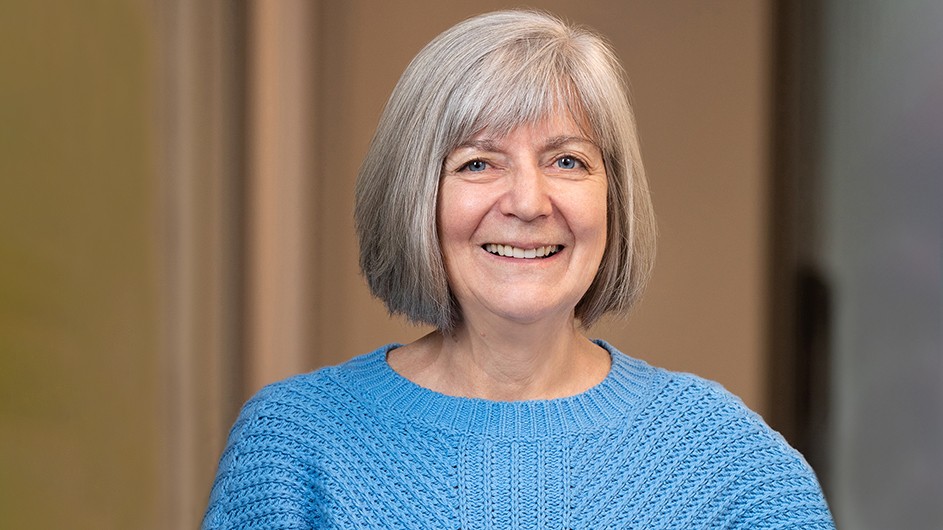
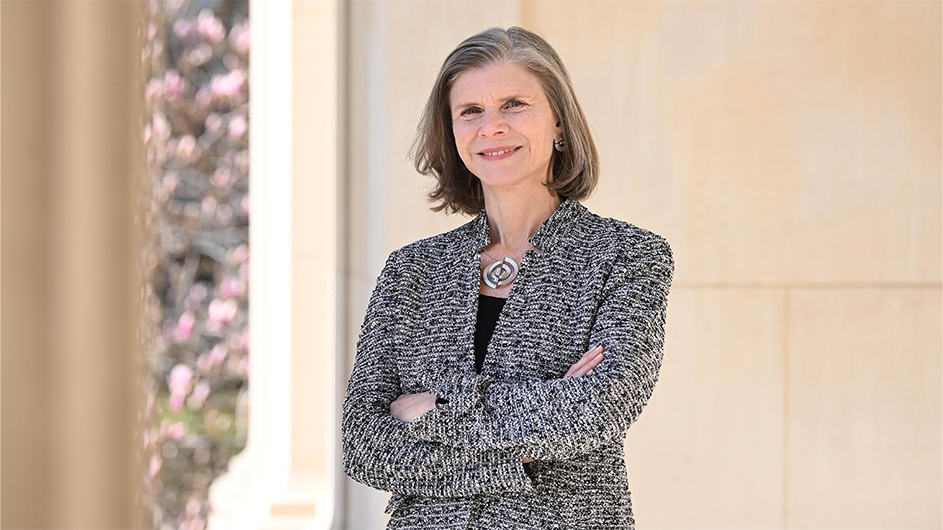
Joan Konner, co-producer of "She Says/Women in the News"

Only 40 years ago, journalism was a man's world. Rare was the woman who endured the macho arena of investigative reporting or hard news. But some did and, as a result, they created the opportunities that young women reporters today often take for granted.

These pioneering women are the focus of a one-hour documentary, "She Says/Women in News," to be aired on PBS Dec. 18. The film spotlights 10 women who climbed the newsroom ladder through their award-winning reporting and today enjoy positions of influence and power as editors, columnists, general managers and anchors in newsrooms across the country.

"She Says/Women in News" is the collaborative effort of Joan Konner, producer and former dean of the Graduate School of Journalism, and Barbara Rick, a Peabody and Emmy Award winning journalist and filmmaker. The co-production of Rick's company, Out of the Blue Productions, and Joan Konner Productions, Inc. was funded by the John S. and James L. Knight Foundation and the Whitehead Foundation, and is a presentation of six television stations, all headed by women.

"These women are heroes—smart, insightful, funny, highly professional—who have succeeded in the business while remaining real people with real lives," Konner said. "We have attempted to show how they've transformed and expanded the agenda of news while bringing an element of humanity to news and the newsroom environment."

The documentary follows the lives of women like Judy Crichton, who started her career in 1948 and was the first woman producer, writer and director for the acclaimed "CBS Reports" documentary unit; Nina Totenberg, the legal affairs correspondent for National Public Radio who broke the Anita Hill/Clarence Thomas story; Anna Quindlen, the first woman Op-Ed columnist for the New York Times who won a Pulitzer Prize for her columns; Carole Simpson, the first woman anchor for ABC World News Tonight Sunday, and Helen Thomas, a former UPI reporter and the first woman to be accepted into the White House Press Corps where she has covered more than seven presidential administrations.

"There is acceptance now, but every door had to be broken down," Thomas said. "We weren't allowed to become members of the National Press Club until 1971. That's a long way from 1920 when women got the vote. It's been a struggle."

These 10 women, along with others, helped change the landscape of news throughout the past four decades. "What's news in this business is what's on the front page," said Narda Zacchino, senior editor of the San Francisco Chronicle. "And when you change the kind of stories that go on the front page and have them more family-oriented, more health-oriented and more education-oriented, then you're changing the definition of news."

The documentary also shows the personal lives of women who have had to learn how to balance their careers in journalism with their family responsibilities. It follows the life of CNN anchor Judy Woodruff as she cares for her handicapped son, as well as the difficult choices Washington Post Writers Group Syndicated Columnist Geneva Overholser made. When she was editor of the Des Moines Register, she ran a series of stories that included the name of a rape victim. The series won the newspaper a Pulitzer Prize.

Despite the gains made by women in positions of influence in journalism, "She Says/Women in News" also points out the challenges that lay ahead.

"I once got a Peabody Award and when I looked out over the room, I was amazed (after years in which I was the only woman) to see hundreds of women in this banquet room," recalled NPR's Totenberg. "Then I looked up to the network executives who were giving the award and I pointed to them and said, 'Maybe someday, there will be a skirt up there, too.'"

Published: Dec 10, 2001
Last modified: Sep 18, 2002


Search Columbia News    Advanced Search  Help

Phone: 212.854.5573    Office of Public Affairs