Recent News from Columbia
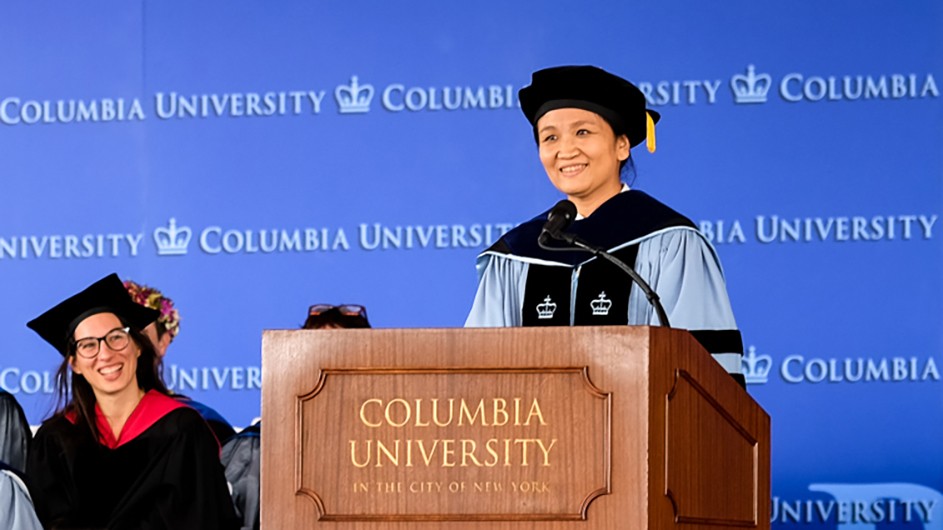
Statement from Columbia University President Minouche Shafik
"A small group of academic leaders has been in constructive dialogue with student organizers to find a path that would result in the dismantling of the encampment and adherence to University policies going forward. Regretfully, we were not able to come to an agreement."
Statement From David Greenwald, Claire Shipman, Minouche Shafik, and Angela Olinto
We support the conversations that are ongoing with student leaders of the encampment, under the guidance of academic leaders. Our goal is a safe resolution of this crisis.
With Hybrid Brains, These Mice Smell Like a Rat
Columbia researchers have created mice with hybrid brains—part mouse, part rat—that sense odors with their rat neurons.

Research & Discovery


Arts & Humanities

Co-writer Ann Cooper’s Newshawks in Berlin describes the perils of reporting from war zones.

The GSAPP professor’s outdoor sculptures advocate for the experimental preservation of U.S. embassies.

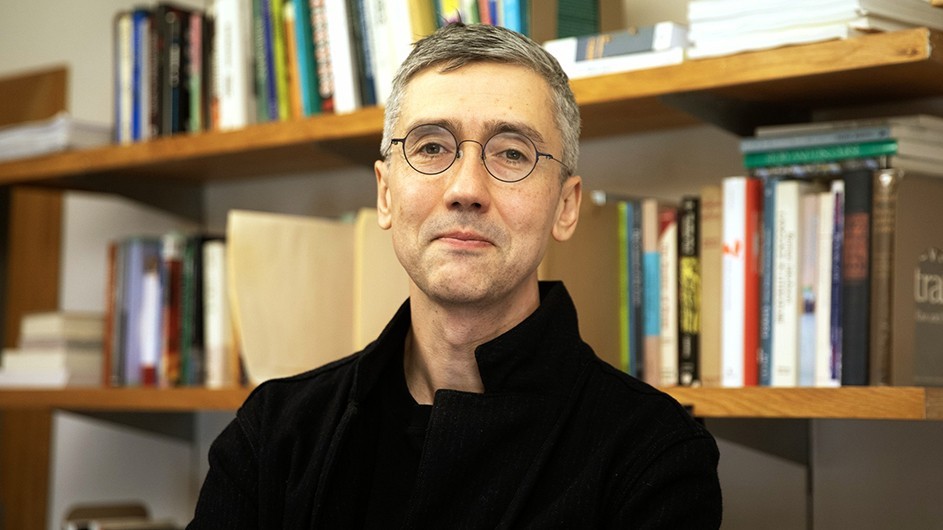
In his new book, Dennis Yi Tenen presents AI as a matter of collaborative labor history.
Campus & Community


National & Global Affairs


The event convened leading policymakers, scholars, and advocates to discuss a range of issues, from reproductive rights to gender equity in the workplace to technology-facilitated gender-based violence.


Columbia in the News
Los Angeles Times, April 19
NBC News, April 18
Quanta Magazine, April 16


