Recent News from Columbia
2024 Campbell Award Winners Announced
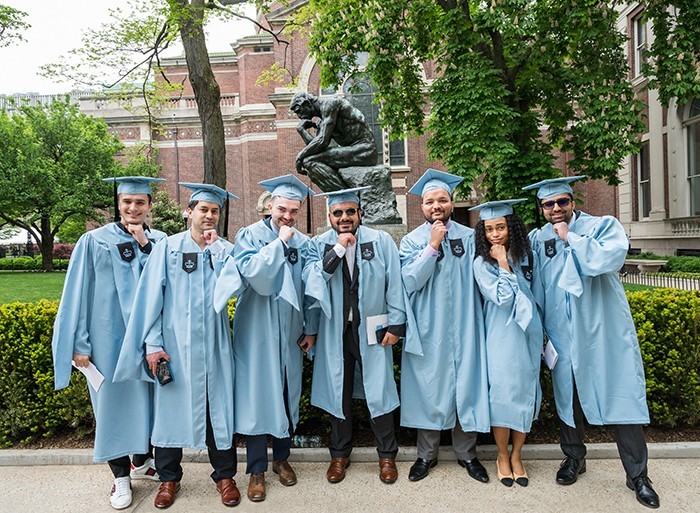
The Campbell Award is presented to a graduating student at each school who shows exceptional leadership and Columbia spirit.
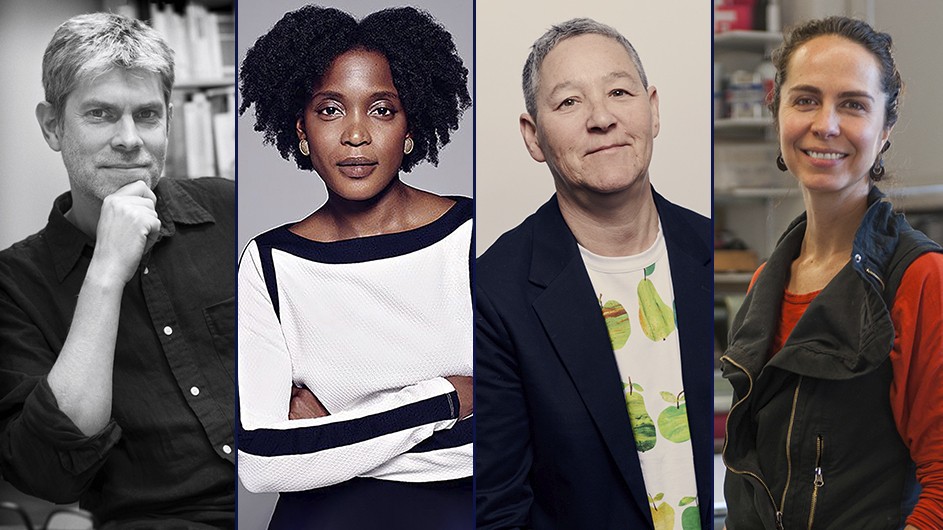
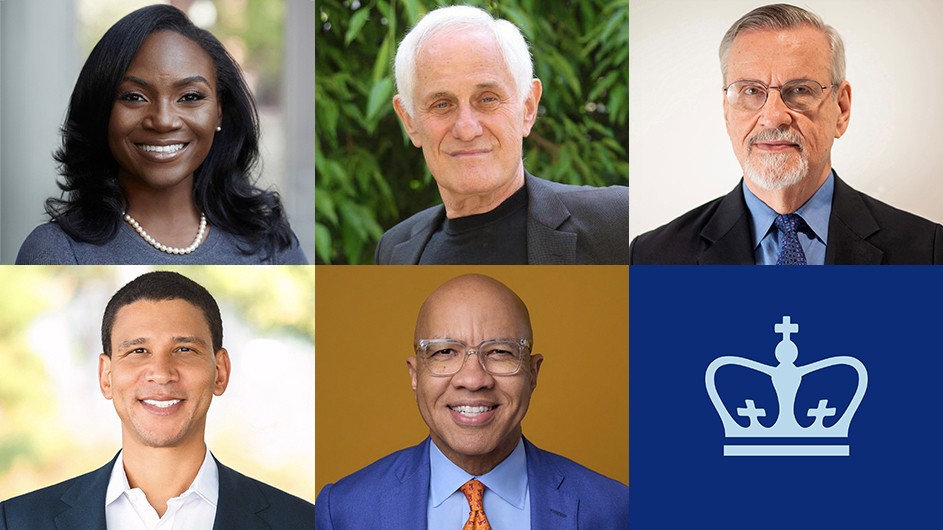
Four Columbians Win Guggenheim Fellowships
The prestigious prize will enable them to pursue independent projects of their choice.
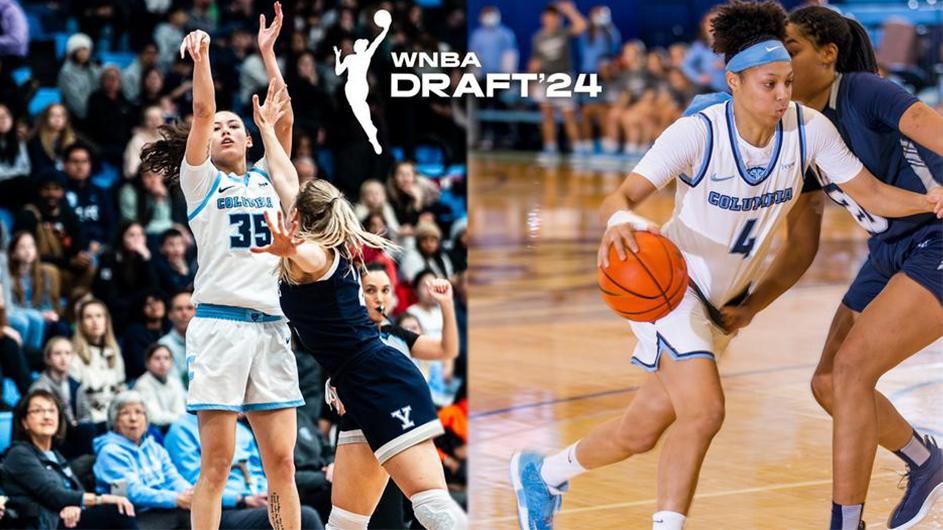
Columbia’s Abbey Hsu, Kaitlyn Davis Selected in WNBA Draft
Abbey Hsu (CC'24) and Kaitlyn Davis (CC'23) were both selected in the 2024 WNBA Draft, the first two selections in Columbia women's basketball history.

Research & Discovery


Arts & Humanities

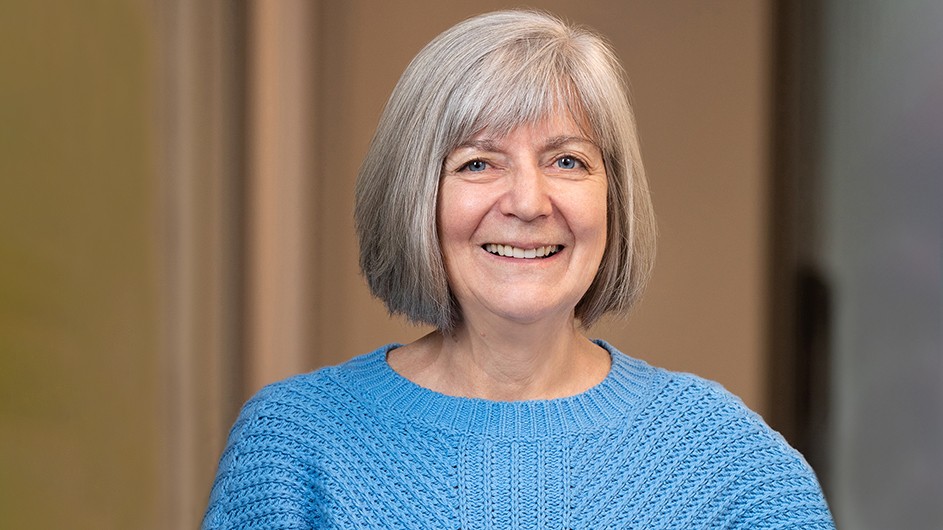
Co-writer Ann Cooper’s Newshawks in Berlin describes the perils of reporting from war zones.

The GSAPP professor’s outdoor sculptures advocate for the experimental preservation of U.S. embassies.

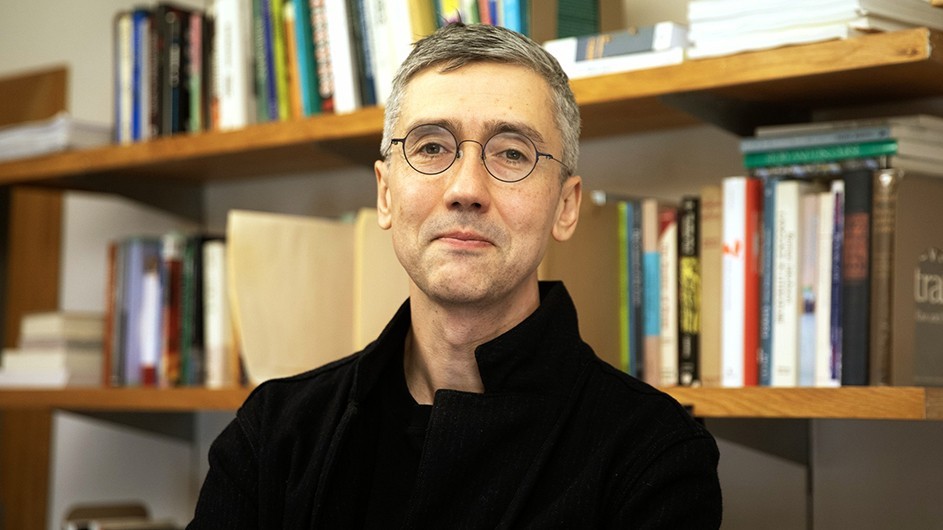
In his new book, Dennis Yi Tenen presents AI as a matter of collaborative labor history.
Campus & Community


National & Global Affairs


The event convened leading policymakers, scholars, and advocates to discuss a range of issues, from reproductive rights to gender equity in the workplace to technology-facilitated gender-based violence.


Columbia in the News
Slate, April 13
The New York Times, April 12


