




Home Help
 Academic Programs
 Research
 Libraries
 Medical Center
 Athletics
 Arts
 Events Calendar
 Prospective Students
 Students
 Faculty & Staff
 Alumni
 Neighbors
 About Columbia
 A–Z Index
 E-mail & Computing


Columbia News
Search Columbia News
 
Advanced Search
News Home | New York Stories | The Record | Archives | Submit Story Ideas | About | RSS Feed
Summer in the City: Interning at Columbia

by Melanie Farmer

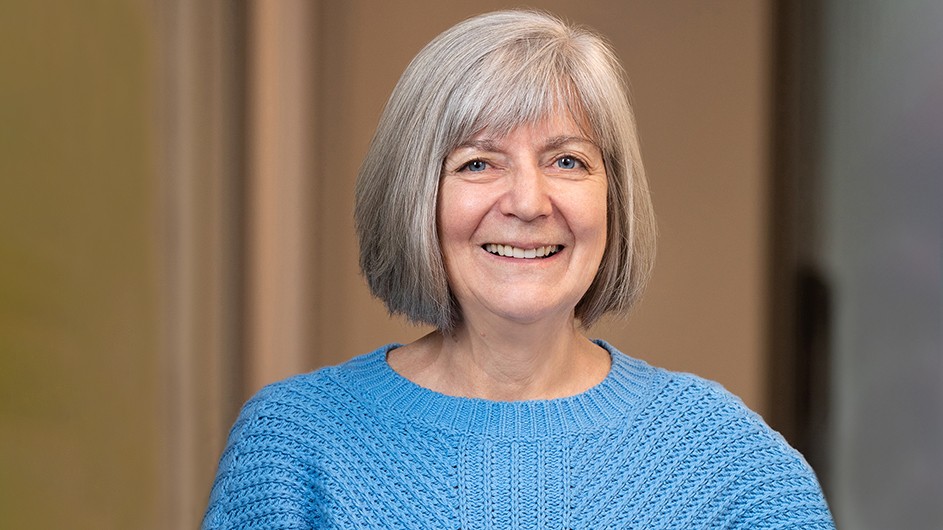
Catherine Chong
Catherine Chong

It is the summer before her senior year in high school and Catherine Chong is opting for what most adults in the work force dread: a one-and-a-half-hour daily commute – each way -- to work. But for Chong, the trip from northern New Jersey to her summer internship program at Columbia University’s Institute for Social and Economic Research and Policy (ISERP) in New York City is well worth the trek.

Many internships don’t offer much beyond picking up an executive’s dry cleaning or ordering her lattes with low-fat soy, and most of those are limited to college students. The internships offered by ISERP, however, provide real-world experience and the chance to hone your skills with scientists conducting research in the field.

“There aren’t a lot of internships available for high school students,” says Chong, 17, who googled her way to finding out about the ISERP program. The annual six-week program pairs local high schoolers with Columbia faculty and graduate researchers on in-depth, social science research projects. The students gain an understanding of how research is conducted and what is actually involved, both the exciting and the tedious.

For eager beavers like Chong, internships like those offered by ISERP, a research arm of the social sciences at Columbia, are essential to gaining work experience and exposure in a chosen field of study. The ISERP internship, which requires 30 to 35 hours of work each week and pays a $500 stipend, has also helped Chong focus on what she wants to pursue in her college studies and as an occupation, she says.

This summer, Chong joined five other students to study environmental decision making, how Americans view death, government recruitment structures, the efficacy of programs to help the homeless, and urban planning and its ties to obesity and physical activity. Most of their work focuses on data collection, the important first step toward evaluating issues and addressing them effectively.

The urban planning project, for instance, examines the relationship between the built environment and obesity. Some city planners believe that people exercise more and weigh less when they live in more “walkable” cities. With concern growing about the obesity epidemic in the United States, lead investigators Andrew Rundle, assistant professor of epidemiology at Mailman School of Public Health, and Kathryn Neckerman, a research scholar at ISERP, are studying the impact of the built environment on body size, physical activity and diet in New York City residents.

“One thing I hope [the interns] can learn from this experience is how social science knowledge is actually produced,” says Neckerman.

Interns aren’t the only winners in this arrangement. For the scientists, working with high school students brings a renewed excitement to their research, often helping them see it in a new light. And, of course, they get help that might not otherwise be available.

“The intern program has allowed me to take advantage of the ability and eagerness of exceptionally bright and able students to get done some bricks-and-mortar work on my projects,” says Bill McAllister, a senior research fellow at ISERP and lead investigator on the homelessness project. “Plus I’ve gotten to enjoy some pretty nice people.”

Chong, for her part, spends her days combing the streets of New York block-by-block, jotting down factors that make each section walkable. Data collection can be tiring and cumbersome, but the process is giving her insight into a field that she knew little about and the ability to contribute to social change.

“I’m getting exposed to the nitty gritty parts of public policy,” says Chong. “This is where it all starts. This is where people, like politicians, get their information; from these type of studies. I’m getting a chance to experience it from the bottom up.”


Published: Aug 03, 2006
Last modified: Nov 14, 2007