



|
June 27, 2008
Four Columbia Economists Lead 15th Annual World Congress of the International Economist Association
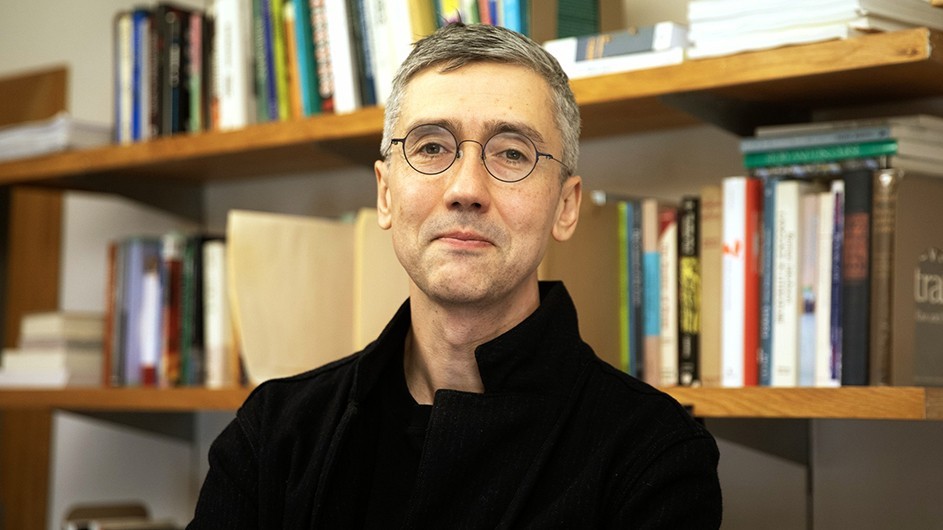
Columbia professor and economist Guillermo Calvo,
a professor at Columbia’s School of International and Public Affairs (SIPA), is
presiding over an international gathering of economists from June 25 to 29 in
Istanbul, Turkey, to discuss the challenges of globalization. He has been
president of the International
Economists Association (IEA) since 2003. The purpose of the association’s
annual meeting is to bring economists together to discuss pressing
international economic issues.
|
Professor Guillermo Calvo on "Emerging Markets and the Subprime Crisis" at an April 24 conference at Columbia University
Video courtesy of SIPA
|
The IEA was founded in 1950 by UNESCO for the purpose of bringing economists
together from around the world in order to foster mutual understanding among
them through the conduct of scientific meetings, both regional and
international. Members represent universities, think tanks, world banking and
government banking institutions, including the Inter-American Development Bank,
International Monetary Fund and the World Bank, among many others. The Istanbul World Congress is the 15th
international meeting of the IEA since it was established in 1950.
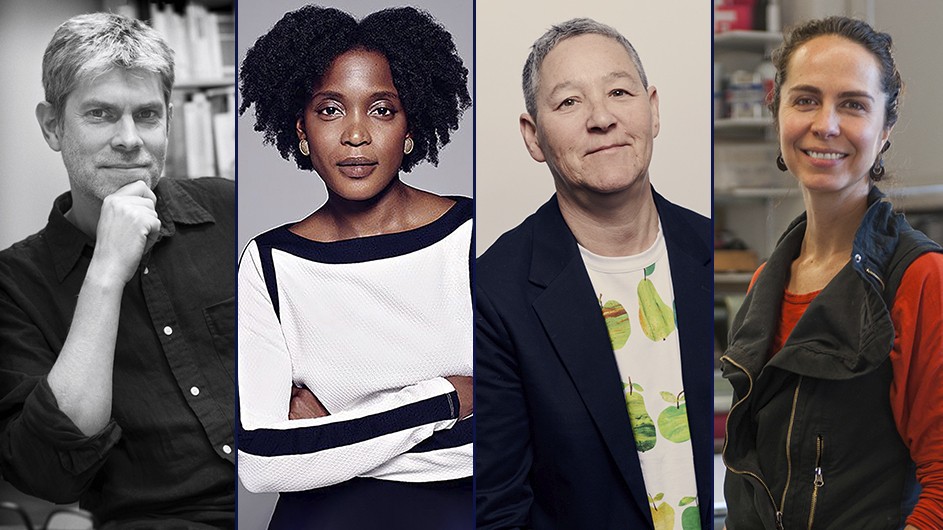
He is joined by three eminent
Columbia economists—Ronald
Findlay, Arvind Panagariya and Joseph Stiglitz, who won the Nobel Prize in economics in 2001.
These four economists are the keynote speakers at four of the six
individual plenary sessions at the global meeting.
“There are so many highly regarded people at Columbia in
different stages of their careers, all with substantial credentials in
international finance,” Calvo said. “It reflects on
Columbia’s prestigious standing, which has a nucleus of very qualified
economists.”
Calvo is also director of
Columbia’s mid-career
Program in Economic Policy Management and served previously as chief
economist of the Inter-American Development Bank.
Main themes of the meeting’s more than 81
panels focus on international finance, migration, global imbalances, as well
as the role of the state and institution in a globalized environment, political
economic considerations, and macroeconomic policy. The economic
situations of China, India, Latin America, Europe, Turkey and the U.S. will be examined
by participants through the lens of globalization and the dynamics that play out in international markets and monetary
systems, and how state institutions deal with these challenges, especially in
emerging market economies.
The globalization of the economy has been dramatically affected
by the subprime mortgage markets collapse, which is the subject of Calvo’s keynote address in Istanbul.
“The global economy is hot, hot, hot,” said Calvo. “Between the subprime mortgage collapse that
continues in the G-7 countries—U.S., Britain for example—and the
recent explosive spike in world prices of food and oil, things could not get
hotter.”
What caught policy makers and financial experts by surprise
earlier this year about the subprime
mortgage collapse, Calvo said, was the
substantial risk held by banks who had deeply invested in subprime mortgage
markets to make money. When the bubble burst and the subprime mortgage markets
collapsed, it prompted central banks like the U.S. Federal Reserve to lend to
J.P. Morgan Chase to bail out Bear Stearns on Wall Street by aggressively
pumping in cash in large amounts. This brought some relief to credit markets
and prevented a massive contagion that Calvo said
could have potentially brought down the entire financial system in the
U.S.
“The subprime mortgage collapse has not involved countries
in the South,” Calvo said. “Following the 1998 economic crisis, Southern countries like
Korea, Thailand, and Brazil worked with the International Monetary Fund to
restructure their financial systems and created much stronger international
reserves, but not by investing in credit markets, unlike the G-7 countries.”
The price increases in commodities like oil, soybeans, wheat
and metals have actually increased these countries’ savings with their
surpluses looking very strong, in the midst of economic turmoil in the G-7
countries, Calvo said.
The vexing problem that now confronts developed countries is
that they run the risk of escalating inflation, which accompanies increased
prices of food, for example, while wages remain
stagnant. According to Calvo, the U.S. and other G-7
countries will need to tighten up monetary policy by raising interest rates.
Ben Bernanke, the chair of the U.S. Federal Reserve Board,
has indicated he is prepared to change policy if there are negative
developments in the future with regard to inflation. Calvo
believes there is room for an anti-inflationary battle.
“I would expect that Bernanke will wait until after the
presidential elections to raise interest rates at least 4 to 5 percent,” Calvo said. “If financial vulnerabilities remain unresolved,
even if interest rates are sharply increased, the U.S. economy risks a
deepening recession.”
—Story by Tanya Domi
|