







































 |
| VOL. 23, NO. 1 | SEPTEMBER 5, 1997 |
|
Improved Advising System Planned for CC
BY KIM BROCKWAY
lans are under way to replace the currentand in many ways unsatisfactoryadvising process at Columbia College with a significantly improved system that allows a student to have more than one important adviser during his or her career.
Computer technology is incorporated to improve student access to a wide range of advising resources. The proposed plan, created by the Office of the Dean of Columbia College and the Committee on Instruction with input from students and faculty, is expected to be in place for the 1997-98 academic year.
"As the range of academic programs, student services, and possible career paths has steadily expanded, expectations of what advising will provide have correspondingly expanded, but the advising system has not changed to keep pace," said Dean Austin E. Quigley. "We propose an alternative that might not only provide students with a wider range of advising resources, but also allow a more specialized student/adviser relationship to emerge in a variety of different ways."
The new system has been designed to respond to students' needs for different types of advice as they move through their academic careers. Students need various kinds of information (about housing, services, facilities, and academic programs). They therefore need to seek out different sources of advice (from deans offices, departments, and residence halls), and to build a range of advisers (including faculty, health, peer and financial aid contacts).
Expecting a single adviser, whose knowledge and availability may not mesh seamlessly with those of an advisee, to provide a wide range of information is both unrealistic and inefficient. Faculty, too, find themselves frustrated when questions arise in areas beyond their expertise and when office hours are poorly attended.
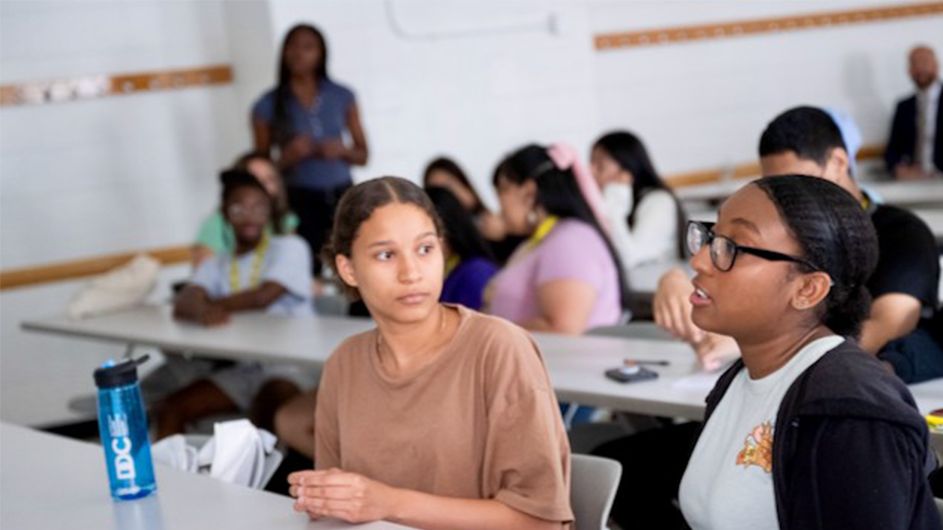
The most dramatic and innovative component of the new advising system allows students to choose from a comprehensive pool of advisers with various kinds of expertise and interests to create a personalized network of advisers, replacing the single, assigned pairing.
It is hoped that bringing advisers and advisees together initially in the context of common interests will enable more extensive relationships to emerge from a productive exchange of views on topics of shared interest.
State-of-the-art technology will be used to facilitate the new process. An interactive advising web page which includes a comprehensive list of faculty and their areas of expertise will serve as a guide to the kinds and sources of advice and when and where they are available. A degree audit system will enable students at terminals to monitor their progress toward a degree; conversely, deans will be able to monitor an individual's progress by accessing advising folders with appropriate records.
The safety nets that currently serve students failing to make satisfactory progress will remain in place. Faculty will continue to work with the Dean of Students Office, the Registrar's Office, and others to monitor emerging problems, provide support and, when necessary, provide referrals to additional sources of counsel or advice.
Administrators recognize the importance of providing a comprehensive and understandable map to the new advising system and are undertaking several special initiatives to raise students' awareness.
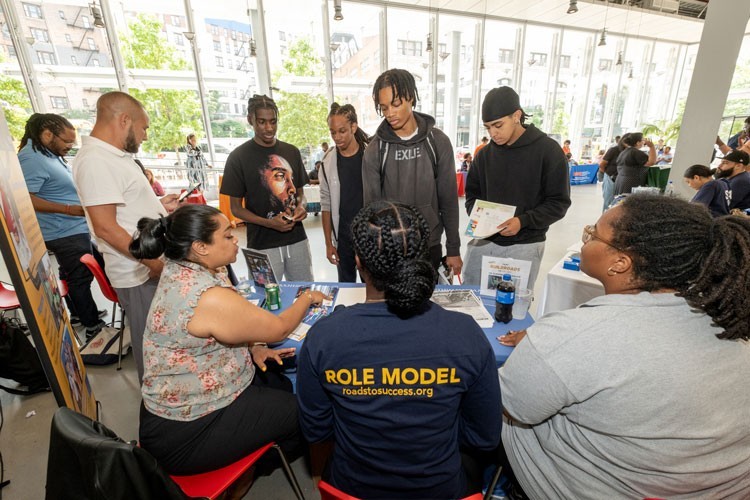
An orientation town fair will be held during the first week of the fall semester, and a detailed brochure will be produced, providing an introduction to the range of advising available. Students will be encouraged to consult the web page, which will include departmental contributions as well as a directory of faculty and their areas of expertise, and to use e-mail for requests for basic information that can be easily provided.
The First Year Program will focus on familiarizing students with the new system, and, during first two weeks of the fall semester, an advising booth will be available in all first year residence halls. In addition, first year required courses will be prescheduled, so that students can concentrate their discussions on electives. Although many efforts focus on the first year of the undergraduate experience, the new advising system will be available to all College students.
In order for the new system to succeed, advisers and advisees must share responsibility for developing the relationship beyond minimal transactions.
"A satisfactory and mutually productive relationship," said Quigley, "depends on two people being drawn together for reasons more promising than the approval of a semester program, and upon clear understanding of the reciprocal responsibilities of adviser and advisee."
|