



































 |
| VOL. 23, NO. 9 | NOVEMBER 14, 1997 |
|
Antman, Klein, Prince, Silver Are Elected Fellows of AAAS
BY BOB NELSON
 | | Antman |
|
our members of the Columbia faculty, including three medical researchers, have been elected Fellows of the American Association for the Advancement of Science.
The fourKaren Antman, Donald F. Klein, Alice Prince and Rae Silverwere among 270 AAAS Fellows elected recently. Fellowship is awarded for an individual's "efforts toward advancing science or fostering applications that are deemed scientifically or socially distinguished," the society said. The new fellows will be presented with certificates and rosette pins on Feb. 14 at the AAAS Fellows Forum during the association's annual meeting in Philadelphia.
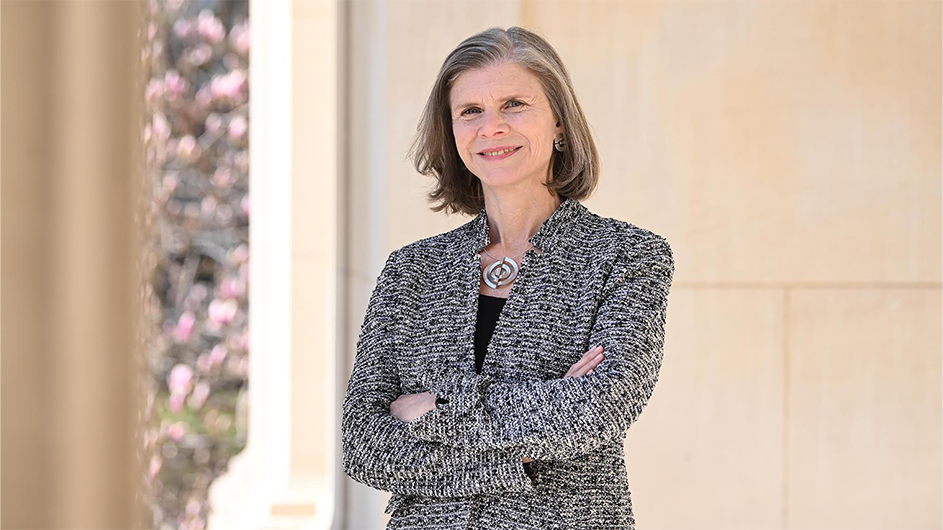
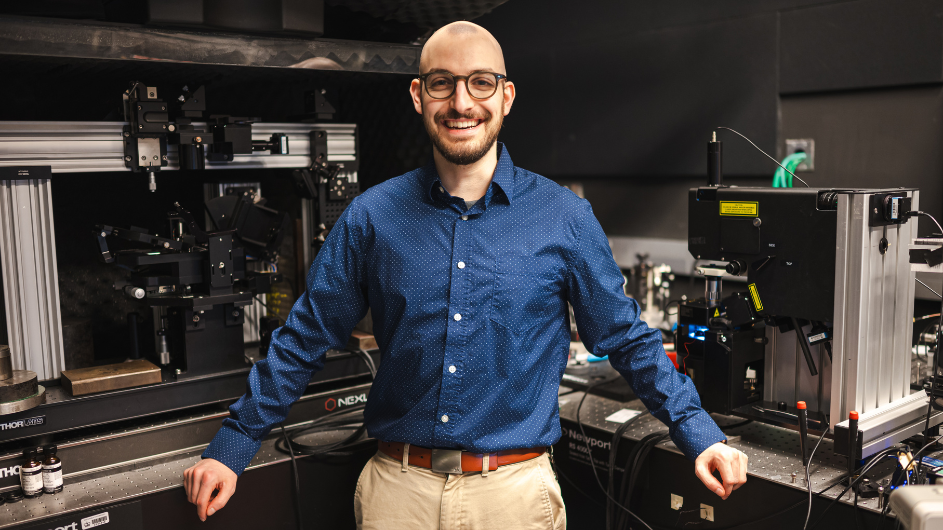
Karen Antman, Wu Professor of Medicine, chief of medical oncology and director of the Columbia-Presbyterian Cancer Center, has developed a number of now-standard regimens for the treatment of certain cancers. She has also developed high-dosage chemotherapy regimens for high-risk breast cancer that are currently in clinical trials in the United States and Europe. She has designed improved clinical support for high-dosage chemotherapy, including bone marrow transplants. She holds an M.D. from Columbia's College of Physicians & Surgeons and joined the faculty in 1993.
 | | Klein |
|
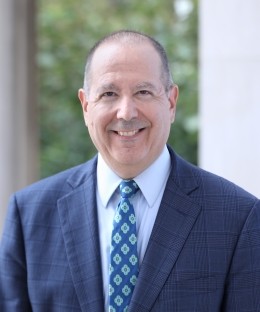
Donald Klein, professor of psychiatry and director of psychiatric research and of the department of therapeutics at New York State Psychiatric Institute, has focused on the evaluation of psychiatric therapies, both psychotherapeutic and psychopharmacological. He has contributed to the classification of mental illnesses and to treatments for such ailments as panic disorder, agoraphobia, simple and social phobias, depression, childhood asocial schizophrenia and attention deficit disorder. More recently, he has studied the biology and genetics of anxiety disorders. He holds an M.D. from the State University of New York College of Medicine and joined the Columbia faculty in 1976.
 | | Prince |
|
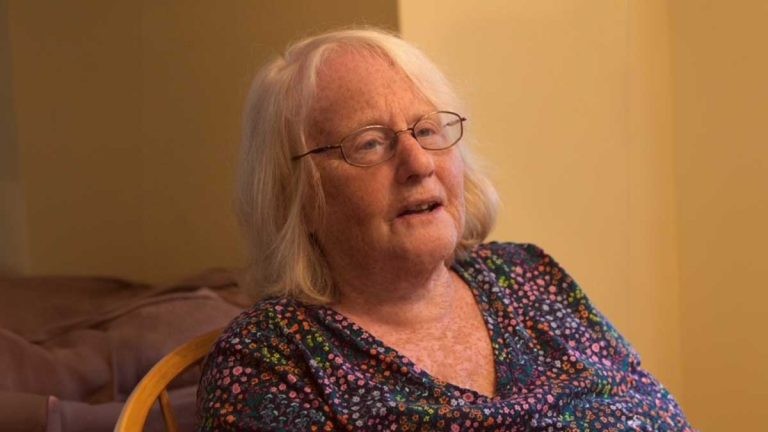
Alice Prince, associate professor of pediatrics at P&S, is investigating why patients with cystic fibrosis (CF), the most common genetic disorder of Caucasians, develop infection with the very common opportunistic bacteria Pseudomanas aeruginosa, resulting in inflammation of the respiratory tract and ultimately pulmonary failure. She has sought to determine which bacterial gene products are involved in initiating infection of the lung to identify potential targets for the development of a vaccine.
She has already identified the substances that enable these organisms to adhere to the lungs of CF patients and has shown that epithelial cells expressing specific CF mutation have increased numbers of binding sites available to the bacteria. She holds a M.D. from the College of Physicians & Surgeons and joined the faculty in 1981.
 | | Silver |
|
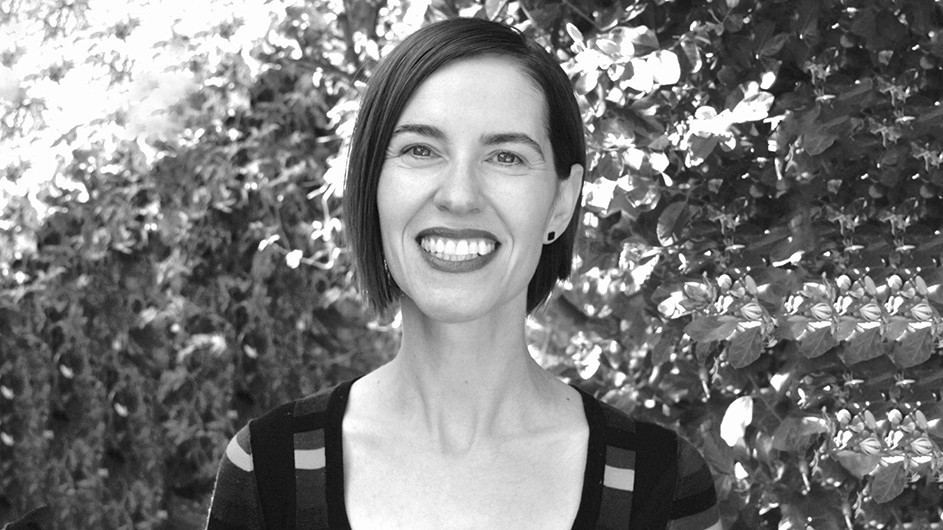
Rae Silver, the Helene L. and Mark N. Kaplan Professor of the Physical and Natural Sciences at Barnard and professor of psychology in the department of anatomy and cell biology at Columbia, has studied the body's response to cycles of light and dark. She has found that a diffusible chemical produced by a tiny organ in the brain, the suprachiasmatic nucleus (sometimes called the circadian pacemaker), sends a signal that regulates daily cycles of rest and activity. Scientists had previously believed the connection was through nerve cells.
Silver, who holds a Ph.D. from Rutgers and joined the Barnard faculty in 1976, is working to discover how to mimic the effects of this diffusible signal, in effect creating a drug that would rely on the body's natural systems to regulate sleep cycles. Such a drug could help late-shift workers and airline pilots remain alert at critical times.
|