




































Go to Columbia Web


Where to Find It

The School of Social Work Web is available on the Schools & Departments and Index pages of ColumbiaWeb.


Record Banner
 VOL. 23, NO. 16FEBRUARY 27, 1998 


FIRST-OF-ITS KIND STUDY

Latino Grandparent Caregivers Found in Poor Health, Poverty


 BY KIM BROCKWAY

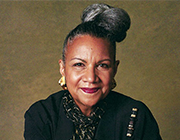
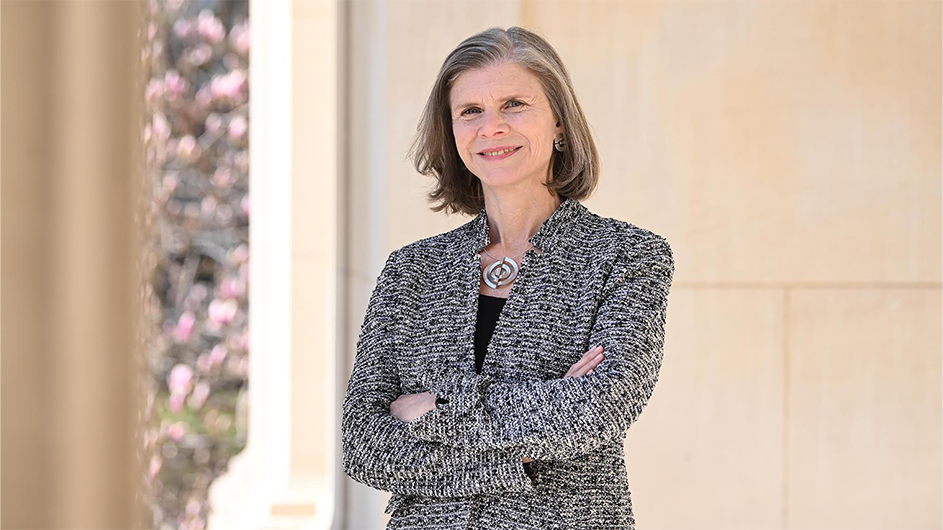
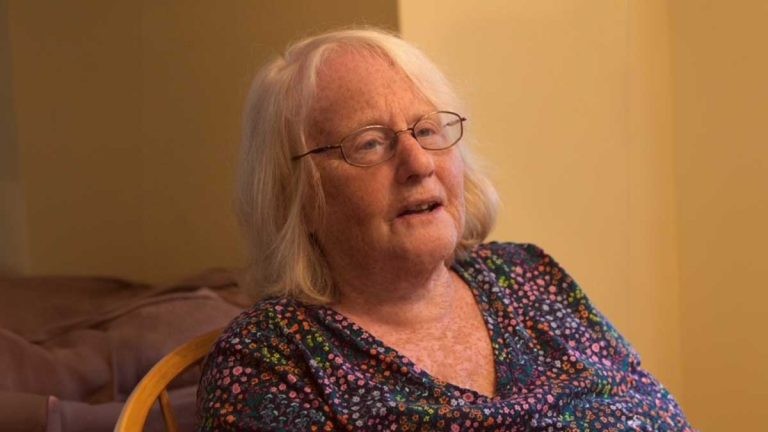
Denise Burnette. Record Photo by Amy Callahan.

One in ten American grandparents is now responsible for rearing a grandchild for a period of six months or more during his or her life.

  Most studies on this emerging population have focused exclusively on or compared African-American and white grandparents.

  A recent study by School of Social Work Professor Denise Burnette and funded by the AARP Andrus Foundation presents an illuminating and sobering profile of Latino/a grandparent caregivers in New York City’s Puerto Rican and Dominican communities.

  Nearly half of the grandparents surveyed had less than eight years of formal education, their average annual household income was under $7,500 and 70 percent rated their own health as fair or poor.

  “Assessing the Strengths and Needs of Grandparent Caregivers in Inner-City Latino Families” is the first study in the country to examine the social and economic conditions of Latino families who have experienced the literal or functional loss of a middle generation of young adults, resulting in a grandparent assuming the care of one or more grandchildren.

  In addition to playing a crucial role in the planning of local programs and services, the study’s comprehensive findings will inform national, state and local policymakers on intergenerational issues.

  Through aggressive outreach and close collaboration with key leaders in the Latino community, Burnette recruited 74 grandparents from Manhattan, the Bronx, and Brooklyn.

  Sixty percent of respondents were Puerto Rican and 28 percent were Dominican, who are the fastest growing racial/ethnic group in the city.

  The “hidden” nature of this population and the stigma and privacy of the study topic made recruitment challenging, but all grandparents who were identified agreed to participate.

  Bi-lingual, bi-cultural research assistants compiled comprehensive profiles through interviews and very detailed questionnaires that focused on sociodemographic characteristics, such as age, education, employment, and income as well as physical and mental health, informal social supports, knowledge and use of formal services, unmet needs and acculturation status. Information was also collected on the status of each child in care (legal arrangements, special needs and circumstances leading to care), and the status and level of contact with each of the child’s parents. The report’s major findings include:

The grandparent caregivers:

  • Were mostly women (93 percent) in their early 60s. Nearly half were separated or divorced, and the same proportion had less than 8 years of education.

  • Average annual household income was under $7,500: 81 percent had incomes below poverty, 73 percent were in extreme poverty and 93 percent were poor or near poor.

  • Although most had lived in the U.S. for several decades, only 18 percent reported speaking English well.

  • Seventy percent rated their own health as fair or poor and nearly half exhibited at least mild depression. (In comparison, a 1996 national study of grandparent caregivers found 27 percent in fair/poor health; a 1993 study found 47 percent of African-American custodial grandmothers in fair/poor health).

  • Social contact was high and networks were large, but the bulk of day-to-day child care and expectations of responsibility for long-range care fell squarely on the grandparents.

  • Three out of four reported at least one unmet health or social service need, either for themselves or a grandchild. The greatest barrier to access and use of services was lack of knowledge about available services.

  • Reasons for grandparent care are similar to those of grandparents in other racial/ethnic groups; the parents’ substance abuse, HIV/AIDS, illness/death, incarceration, mental illness and/or child abuse and neglect.

The children:

  • Grandparents are rearing on average two children, whose average age is 10.

  • Half had been in grandparents’ care since the first year of their lives.

  • Many had no contact with their mother (54 percent) or father (61 percent); one quarter of grandparents preferred more contact; a third wanted less or no contact.

  Clearly, mid-life and older adults who assume responsibility for rearing their grandchildren are in need of additional health and social supports. Burnette calls for aggressive outreach at the local level and through everyday channels of communication to improve awareness of entitlements and service benefits for themselves and their grandchildren, with all efforts conducted in English and Spanish and written materials at an appropriate reading level.

  Social services should be coordinated through centralized information centers for grandparent caregivers, making use of natural helping networks in the community and the eagerness of grandparents to work together.

  Establishing intergenerational programming at senior or community centers could improve grandparents’ mental health and alleviate social isolation, and providing affordable child care would allow caregivers to continue to work. Permanency planning for children, providing for uninterrupted care in their grandparents’ absence, should be initiated, and support groups for grandchildren would help normalize and heal the trauma of their situations. Special attention should be paid to the effects of welfare reform on grandparent caregivers, with areas of special concern being time limits on income benefits, eligibility criteria for food stamps, requirements for employment and the effects of immigrant status on benefits.


webmaster@columbia.edu