




































 |
| VOL. 23, NO. 19 | APRIL 3, 1998 |
|
Bancroft Symposium
Historical Writing Has Lost Its Grandeur, but Is Gaining Breadth
BY A. DUNLAP-SMITH
ive of the nations leading historians gathered at Columbia last Friday to review and assess the writing of American history during the past half century in a symposium celebrating the 50th anniversary of the Bancroft Prize, one of the most prestigious awards in the field, which is presented annually by Columbia.
The event, entitled The State of American History: A Symposium Marking the 50th Anniversary of the Bancroft Prize in American History, was moderated by Columbia historian Alan Brinkley, Allan Nevins Professor of History. He asked that the panelists address themselves to the question: What has changed in the writing of and thinking about American history in the 50 years since the Bancroft began?
The sense of grandeur, of the omniscience of the historian, of the centrality of the great event has lost its sway in the writing of American history in more recent times, said Eric Foner, DeWitt Clinton Professor of History at Columbia. Foner and the other three invited panelistsJohn Putnam Demos of Yale, David Levering Lewis of Rutgers and Laurel Thatcher Ulrich of Harvardare Bancroft winners.
The history that is written today, Foner explained, is more inclusive, drawing its picture of the past from myriad sources and perspectives.
Demos concurred, though he found in his survey of Bancroft-winning books that its not true that histories were only about great white males.
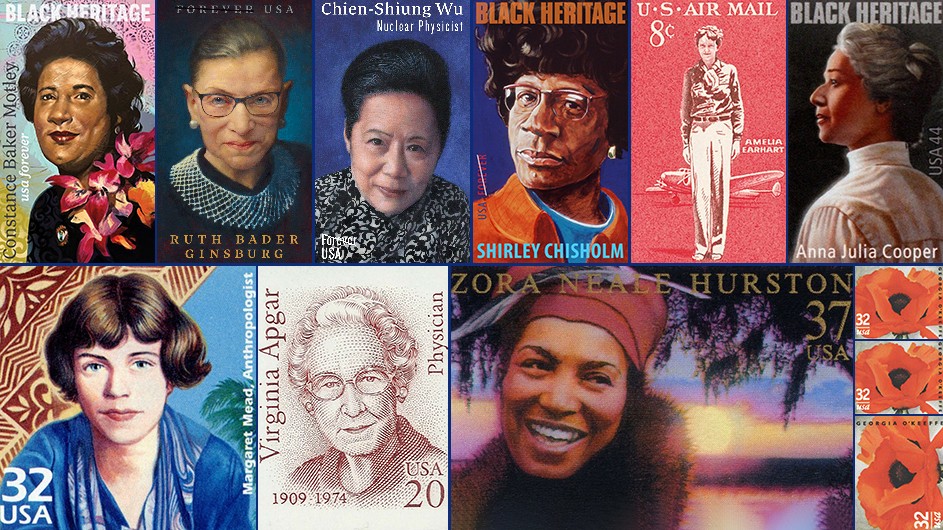
But Ulrich too conducted a survey, discovering that only 11 of the 116 Bancroft-winning books in the Prizes half-century of existence were about womenaround the same percentage as women on the Harvard faculty todayand half of those books were written by men. She concluded, however, that womens history is today an exploding field thanks largely to interest in collecting documentation on women, for if you have no source, you have no history.
The picture painted by Lewis of the African-American in American history resembled that by Ulrich of women. The last half-century in the writing of American history is primarily a story of silence, he said. Only since the 70s, Lewis explained, when becoming an historian and writing African-American history were viable, even attractive, career choices for African-Americans was that silence broken in a significant way.
Brinkley summed up by saying that few prized histories of the past are still taught. Those that are have as their subjects a conflict or conflicts that continue to be relevant in our time.
Im encouraged, Demos said, reflecting on the present state of American history; theres still a lot of life in our enterprise.
|