



































Go to Columbia Web


Where to Find It

The Columbia School of Public Health Web is available on the Schools & Departments and Index pages of ColumbiaWeb.


Record Banner
 VOL. 23, NO. 22APRIL 24, 1998 


Clinic Opens for Pregnant Teens

From left: Robin Ellett, clinic physician, with a student’s baby; James McCarthy, director of CPFH; Phoebe Speck of Presbyterian Hospital, and Ququanta Williams, a student with her baby.


 BY CHRISTOPHER WANJEK

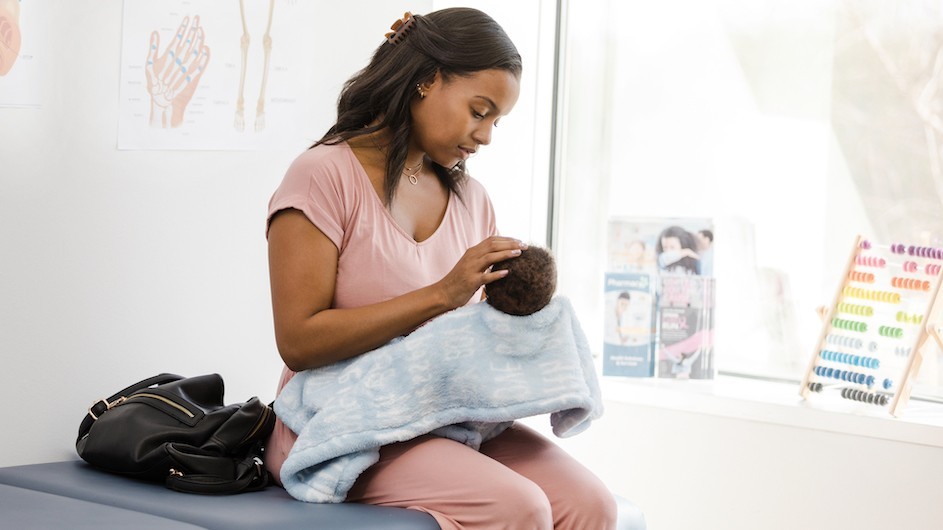
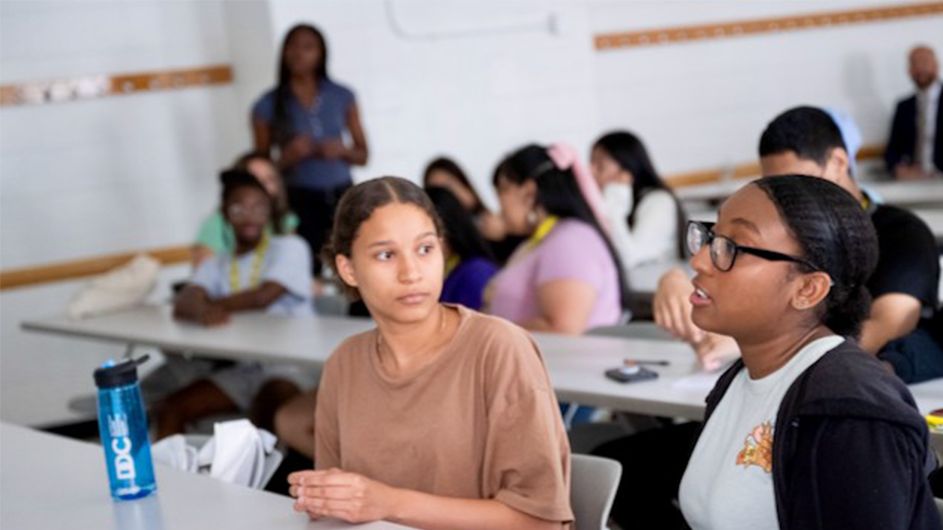
The Columbia School of Public Health has opened a health clinic at the School for Pregnant Teens in Harlem, serving 300 adolescents from sections of New York City that have high rates of infant mortality, low birth-weight babies and late or no prenatal care.

  “We’re clearly excited to operate a clinic in this setting,” said Lorraine Tiezzi, director of Columbia’s Community Health and Education Program (CHEP), which operates this and five other school-based health clinics in Washington Heights. “The clinic will provide us the opportunity to implement a series of programs designed to educate the pregnant students and their partners about the importance of pre- and postnatal care and to postpone the next pregnancy for these young women.”

  The new clinic also plans to increase the availability and quality of maternity care, post-partum care and reproductive health care; develop and implement primary prevention programs targeting young women and their partners at high-risk for a second birth, and develop and implement innovative programs for public education and community organizing.

  Tiezzi said she hopes to carry out these objectives through clinical and educational program components.

  The clinical component, Tiezzi said, will provide medical care to the students at the school as well as to pregnant teens in the surrounding area. A family practice physician will work part-time and provide both pre-natal and pediatric medical services in addition to the comprehensive reproductive health care that the clinic offers.

  To reach teens in their early pregnancy, the clinic will offer free pregnancy testing to students from local schools. The clinical component will also attempt to manage or correct medical problems that contribute to poor birth outcomes.

  The educational component, Tiezzi said, will be both clinic- and classroom-based, aimed at pregnant teens and their partners. The focus will be on the importance of prenatal nutrition, signs of pre-term labor and what to do if they experience it, and lessons on parenting skills and stress management.

  Once the student gives birth, the focus of the education will shift to caring for the infant and “pre-pregnancy” planning for the next birth, which includes postponing that birth.

  “According to a recent report by the Institute of Medicine entitled ‘The Best Intentions,’ a major consequence of unintended pregnancy is poor pregnancy outcome,” said James McCarthy, director of the Center for Population and Family Health, the Columbia division that houses CHEP.

  “Family planning is not often thought of as a strategy for improving pregnancy outcomes, but in fact it plays a vital role by helping to prevent unwanted and ill-timed pregnancies.”

  In recent years, CHEP has succeeded in reducing the pregnancy rate of very young adolescents by one-third and significantly increasing STD/HIV awareness among older adolescents.

  Among its current projects is a pregnancy prevention program focusing on abstinence for 6th-graders in a school where many of the 7th- and 8th-graders are sexually active.


webmaster@columbia.edu