




















 |
| VOL. 23, NO. 24 | JUNE 12, 1998 |
|
Researchers Study the Role of Religion in Worlds Armed Conflicts, and Seek Solutions
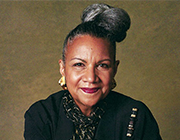
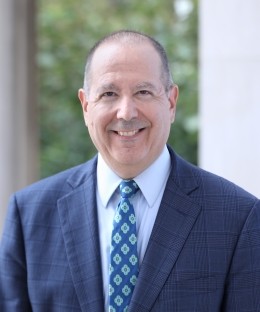
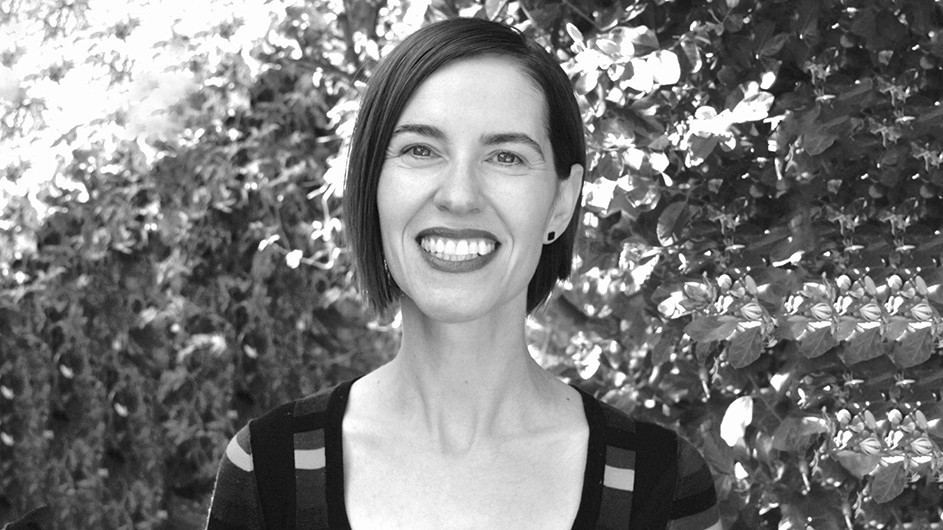
 | | Bartoli. |
|
BY SUZANNE TRIMEL
hile political leaders seek peaceful settlements for deadly violence around the globe, researchers at Columbia are studying the role of religion in negotiations to end armed conflict.
The Conflict Resolution and the Role of Religion research project is an effort to understand the particular impact religious bodies or religiously motivated people mayor may nothave in the resolution and prevention of deadly conflict. The study will focus on major conflicts in the Middle East, Northern Ireland, Yugoslavia, Guatemala, Algeria and Sri Lanka.
The project, under the sponsorship of the International Conflict Resolution Program at the School of International and Public Affairs, will bring together scholars whose fields of study includes international affairs, human rights and religion.
At some level religion today continues to play a role in many of the worlds major conflicts, said Andrea Bartoli, the lead researcher and director of the International Conflict Resolution Program (ICRP). Citing the Middle East, Northern Ireland and Yugoslavia as examples, Bartoli said: We see Jews versus Arabs, Catholics versus Protestants and Muslims versus Serbs. What were looking to find out is: Is there a way that the major religionsChristianity, Judaism, Islam, Buddhism and Hinduismcan become positively involved in resolving conflict?
In addition to Bartoli, participants in the research include Columbias Center for the Study of Human Rights, which sponsors international clergy for research on human rights and religious freedoms, and professors Robert Thurman, an authority on Buddhism and Tibet, and Mary McGee, a specialist on Hinduism.
The Conflict Resolution program, established in January, has received a $200,000 grant from the William and Flora Hewlett Foundation for overall program support over the next two years. The grant will support the religion project, its first major undertaking, and a second research project, Learning Lessons from Experience, in which government leaders and others who have direct experience in resolving international conflict will participate.
Bartoli, who is also associate director of Columbias Italian Academy for Advanced Studies in America, expects to develop a debriefing procedure for humanitarian, development and government agencies working on conflict resolution at the international level. Eventually, the program may offer seminars and courses to diplomats and others in the field.
ICRPs goal is to serve as a bridge between conflict resolution research and theory established in academia and real-world players in resolving deadly conflict worldwide.
A consortium of Columbia experts in the field has been established through the program, which includes scholars who examine the global and political aspects of conflict resolution as well as those whose field focuses on conflict between communities or individuals.
|