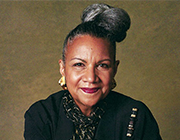















Photograph: Williams in Key West, 1980. Photo Credit: Mario Aijane.
Detailed Photograph: Williams in Key West, 1980. Photo Credit: Mario Aijane.
Photograph: Watercolor by Williams' sister, Rose.
Photograph: Homage to Eugene O'Neill by Williams.
Photograph: Portrait of a young boy by Williams.
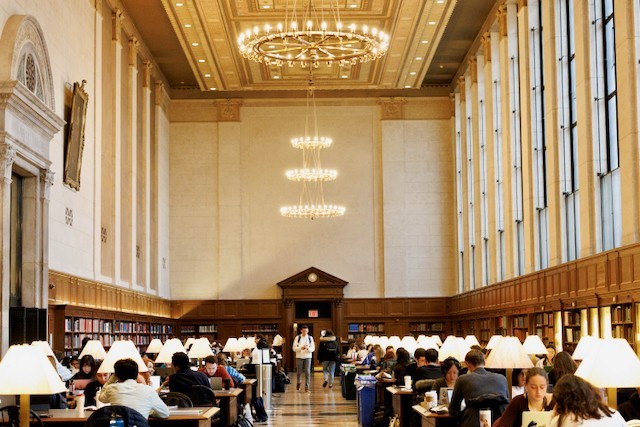
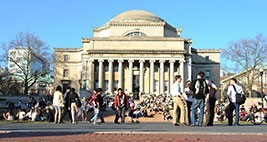
The library and personal archive from Tennessee Williams' Key West home have been acquired by Columbia, adding to its already extensive collection of manuscripts and papers of the late American dramatist.
The acquisition, from the Tennessee Williams estate, was announced this week by Jean Ashton, director of Columbia's Rare Book and Manuscript Library. Included are letters, manuscripts, typescripts, annotated books, photographs and ephemera documenting the final years of Williams' life, as well as 66 miscellaneous pieces of artwork, among them paintings by the playwright and his sister, Rose. Williams died in Manhattan in 1983.
To celebrate the addition to its Williams holdings, the Rare Book and Manuscript Library will present Two by Tenn, a concert reading of two one-act unproduced plays by him on May 8: A Cavalier for Milady and Now the Cats with the Jewelled Claws. The director is Aaron Frankel, retired adjunct professor of theater arts at Columbia and the former chairman and president of the Stage Directors and Choreographers Foundation. The performance, courtesy of Actors Equity and the Theater Authority, will begin at 8:00 P.M. in the Kathryn Bache Miller Theatre and will benefit the Library's theater collections. Tickets are $100 and $50; student admission $15. Ticket information: 854-7799.
Correspondence in the Key West collection includes letters from Paul Bowles, Edith Sitwell, Marlon Brando, Carson McCullers, Kenneth Patchin, Lillian Hellman, Allen Ginsberg and Robert Lowry, as well as postcards and notes from fans, agents and editors.
Items from the library include Williams' copies of Kafka's diaries, Hart Crane's Collected Poems, the plays of Pirandello, and Rilke's Duino Elegies, all with extensive notes and dialogue on the endpapers and flyleaves. His copies of Irene Nemirovky's Life of Chekhov (1950) and an edition of Chekhov, The Personal Papers (1948) include pages of handwritten notes and poetry. Other marked and annotated works include Edith Hamilton's The Greek Way (1953), Beverly Nichols' All I Could Never Be (1952), novels by Faulkner and Ernest Hemingway, and Santayana's Character and Opinion in the United States.
Columbia's Williams Collection was begun in 1969 with acquisitions of inscribed first editions and manuscripts of his first four major plays: Battle of Angels (1940), The Glass Menagerie (1945), A Streetcar Named Desire (1947) and Summer and Smoke (1948). Materials from the middle and later periods of his career supplemented the collection. They include manuscripts of The Rose Tattoo (1951), Camino Real and Orpheus Descending (both 1953), Cat on a Hot Tin Roof (1955); Suddenly Last Summer (1958), Sweet Bird of Youth (1959); The Milk Train Doesn't Stop Here Anymore (1963), and In the Bar of the Tokyo Hotel (1969).
The University's strong holdings in theater history include the archives of Joseph Urban, the Viennese-American set designer and architect; the papers of Robert Wilson, and the internationally known collections of puppets, masks, images and published materials gathered early in the century by Brander Matthews, Columbia's and the nation's first professor of drama.