








































TC Nutritionist Warns against Processed Food

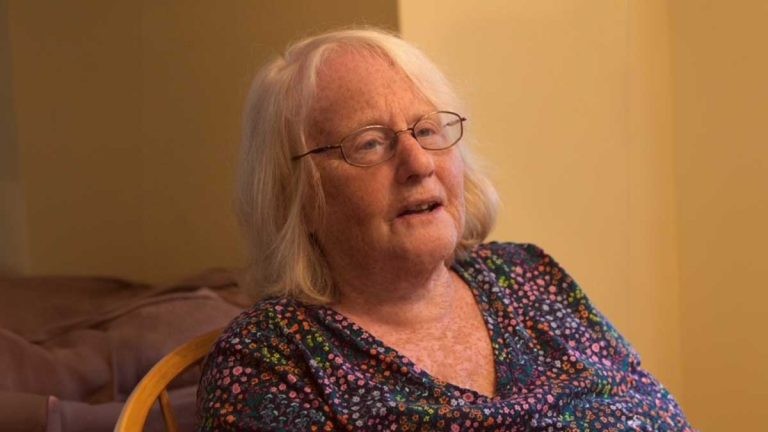
Agricultural products used to be considered food. They are now thought of as the raw materials to be turned into food by industrial processing and, most recently, bioengineering. Both processes add scores of ingredients to "food" that nutritionists know nothing about, said Joan Dye Gussow of Teachers College.

Gussow was a dissenting voice on the "Engineering Functionality into Foods: Benefits for the Consumer" panel Feb. 13 at the American Association for the Advancement of Science's Annual Meeting and Science Innovation Exposition in Baltimore.

"Fixing up our food supply with sophisticated new ingredients fits into our national preference for solving problems technologically, but we have no evidence that it works," said Gussow. "And as the recent failed trials using beta carotene show, it will sometimes be dangerous."

(The National Cancer Institute said last month that one clinical trial of beta carotene had been abandoned, and another ended on schedule, when it became apparent that the supplement provided no benefit and might be harmful.)

Gussow is an internationally known nutrition educator and is the Mary Swartz Rose Professor Emeritus of Nutrition Education at Teachers College, the first scholar to hold the chair named for the founder of the field of nutrition education.

In comments prepared for the AAAS panel, the nutritionist pointed out that technological tinkering with the food supply does not attain the desired goals. She cited the example of artificial sweeteners, which have been on the market for 25 years, while Americans increased their annual per capita consumption of sugar from 124 to 142 pounds. In the last ten years, the proportion of overweight Americans has increased from about a quarter to about a third of the population, she reported.

The foods people eat are a bewildering array of chemicals, Gussow noted, and even in clinical studies it is impossible to know which component of which food is affecting the population being studied.

"To determine how much of a substance of interest isolated from broccoli, for example, might be effective in cancer prevention, or how much might be dangerous, not in the test tube and not in white mice, but embedded in the eccentric human diet - that is effectively impossible," she said.

Some nutrients affect different genetic populations differently, Gussow said, citing the genetic inability of Inuit populations of the Arctic to metabolize sucrose. Bioengineering of food, in which genes from another species are inserted into the genome of edible plants and animals, adds another layer of complexity that nutritionists have not yet studied.

Of even greater concern, Gussow said, is the willingness of the food and supplement industries to exploit the Food and Drug Administration's hands-off approach to regulation. Under the Dietary Supplement Health and Education Act of 1994, she said, anything labeled a supplement can be marketed without serious testing.

"This should alarm us," she told the panel.

Professor Gussow is the author of Chicken Little, Tomato Sauce and Agriculture: Who Will Produce Tomorrow's Food? (1992); The Feeding Web: Issues in Nutritional Ecology (1978); and co-author of The Nutrition Debate (1986) and Disadvantaged Children: Health, Nutrition and School Failure (1970). She is co-editor of Food as a Human Right, published by United Nations University Press in 1984.

Gussow has served on the Food and Nutrition Board of the National Academy of Sciences and is past president of the Society for Nutrition Education.


Columbia University Record -- February 23, 1996 -- Vol. 21, No. 17