






















Go to Columbia Web


Where to Find It

The School of Public Health Web is accessible on Schools & Departments and Index pages of ColumbiaWeb.


Record Banner
VOL. 22, NO. 22APRIL 25, 1997


Perera Picked as Newsweek's 'Person to Watch' in 2000

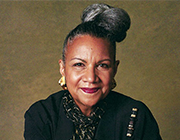
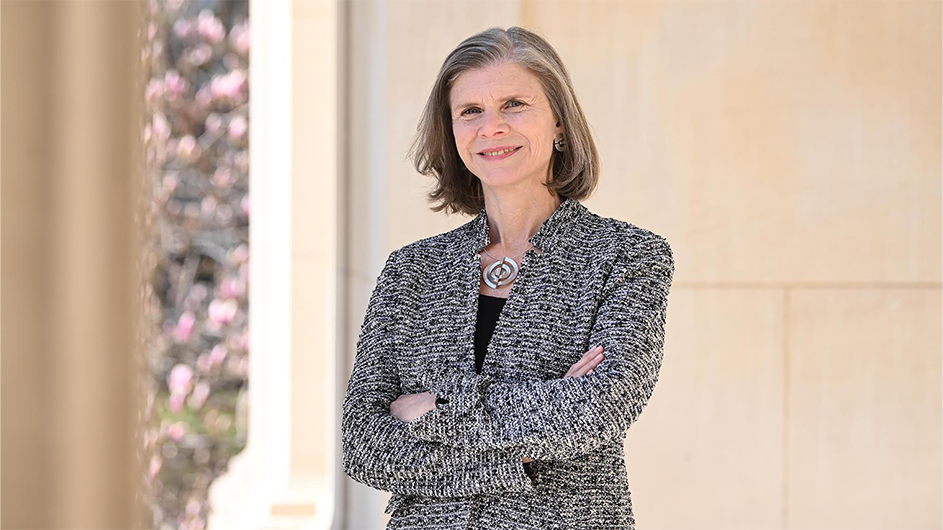
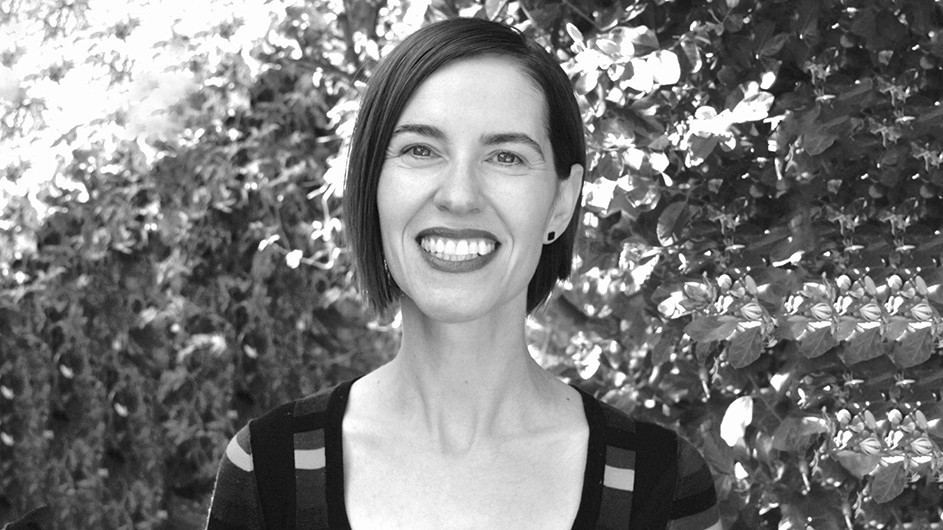
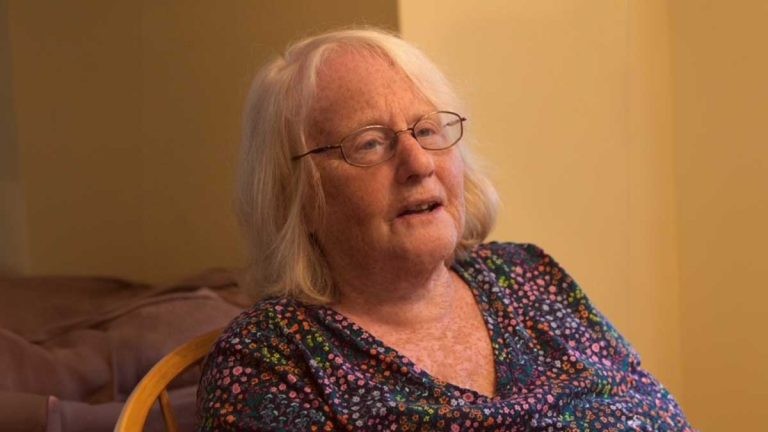
Frederica Perera.

By Jean Llewellyn

Columbia's Frederica Perera has been named to Newsweek magazine's list of "100 people to watch as America prepares to pass through the gate to the next millennium."

  Perera, a School of Public Health researcher who has been uncovering new clues to cancer risk since the early 1980s, was named to The Century Club, a newsworthy group whose members range from CEOs to scientists "whose creativity or talent or brains or leadership will make a difference in the years ahead," according to Newsweek. As a professor in environmental health sciences, Perera's trailblazing research in molecular epidemiology has resulted in high hopes for future understanding of cancer and risk to developing fetuses.

  Perera was the first to note a unique "fingerprint" in human lung and blood cells, a biomarker left by a class of carcinogens associated with tobacco smoke, polluted air or barbecued, grilled or smoked foods, known as polycyclic aromatic hydrocarbons. And it had been Perera's original idea to move from laboratory experiments to the human population, to look at biomarkers directly in humans.

  Once this sensitive way was found to identify environmental risks early and prevent cancer, the field of molecular epidemiology burgeoned into today's--and the future's--growing and recognized science.

  "In the early 1980s my colleagues and I at Columbia University laid out the basic conceptual framework for molecular epidemiological investigations of cancer after we detected a new molecular marker indicating that a specific carcinogen had damaged DNA in human tissue," explains Perera.

  She underscores the point that without her collaborators, including Columbians like Paul Brandt-Rauf, Ruth Ottman, Regina Santella and Bernard Weinstein and many others, the research would not have blossomed.


webmaster@columbia.edu