HOME
CONTACTS
HISTORY
SERVICES
CURRENT SEMINARS
SPECIAL EVENTS
LINKS
FAQ
COLUMBIA HOME
History

The University Seminar Movement has flourished for over sixty years, growing from the original five seminars in 1945 to approximately seventy-five seminars today. Each seminar acts as an autonomous and voluntary grouping of scholars and practitioners brought together under the auspices of Columbia University by their dedication to a particular line of investigation. The movement is not only interdisciplinary, but inter-institutional, and involves members of the community who might not otherwise participate in university activity.

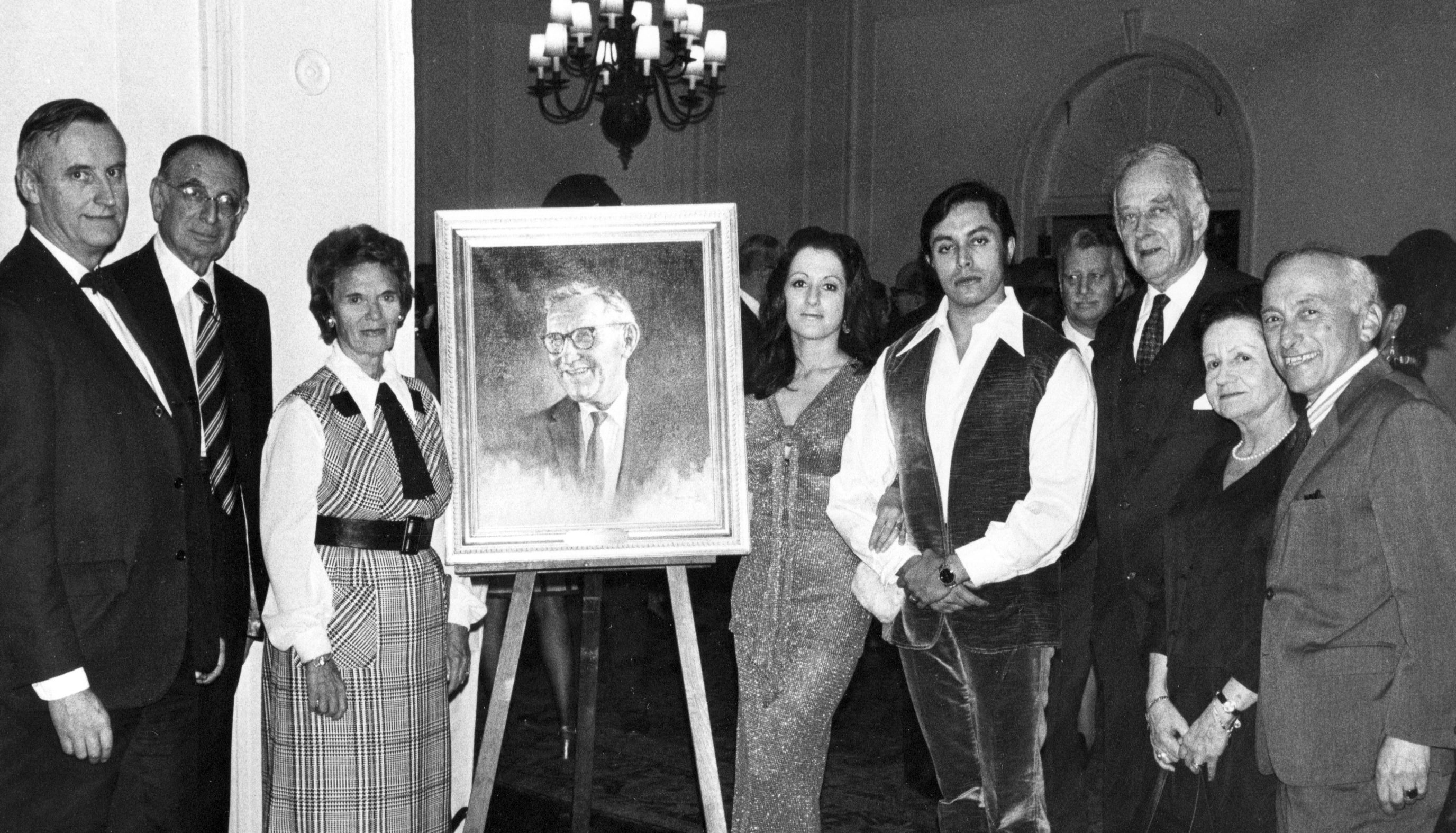
The seminars have as their central goal the integration of otherwise fragmented knowledge, a pulling together of the many threads of knowledge and experience through the stimulus of continuing discussion. Frank Tannenbaum, Professor of Latin American History at Columbia, founder of the University Seminars, and director until his death in 1969, was an ardent believer in the potential for enlightenment contained in meaningful dialogue. In an essay entitled "Implications of an Education Movement," Tannenbaum wrote: "The primary aim of the University Seminar is the attempt to see things whole, to merge the disciplines for the purpose of getting a unified view. The aim is synthesis, insight, wisdom, the understanding of the full incidence of the ongoing phenomenon to which any collegium is devoted."

In this regard, the seminar movement may be viewed as the protagonist for the development of a new relationship among the various institutions that comprise our intellectual communities. However great the need fifty years ago, when the seminar movement was founded, the subsequent explosion of knowledge and increasing fragmentation of disciplines make more urgent than ever the establishment of interdisciplinary forums for learning and communication. There is a manifest need for a structure which acts both to unite specialists, and to join the academy with other elements of society, into an "intellectual guild." The University Seminars embody such a dynamic structure, and will continue in the future, as they have in the past, to provide new perspectives on issues which are critical to the disciplines involved.

Members of the seminars are drawn from numerous departments in the faculties of Columbia University, from other colleges and universities, and from experts and specialists in nonacademic pursuits. Apart from the members, seminars attract authorities in many fields of scholarship as speakers and guests. Seminars range from small discussion groups to larger bodies that, in some cases, have become regional centers for intellectual exchange where such centers would not otherwise exist.