TWO LECTURES ON SWEDISH THEATER AND FILM
by
Swedish theater and film historian and translator
LEIF JANZON
420 West 116th St. NYC (between Amsterdam and Morningside Drive
EXORCISING
ONSTAGE:
INGMAR BERGMAN'S THEATER.
INGMAR BERGMAN'S THEATER.

THE EMIGRANT.
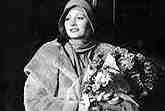
| Using recently
released letters, biographies, de Acosta's poems and autobiography,
prize-winning producer Lena Einhorn has made a documentary portrait
of the very private Greta Garbo. Mercedes de Acosta, who knew Garbo
for thirty years, until 1960 when the Swedish star broke all contact,
will be our escort in this film, following the film star’s life
-- from her childhood in Stockholm to glamorous but hated Hollywood, to exile in New York.
(Mercedes de Acosta was also a love interest for Marlene Dietrich, Isadora Duncan, and Eva le Gallienne.) In color with English narration. Running Time: 58 minutes. |
LOVING
GRETA GARBO: A PORTRAIT OF THE SWEDISH ACTRESS THROUGH THE LETTERS OF MERCEDES DE ACOSTA By Lena Einhorn |
Sponsored by
the Swedish Program together with the Institute for Research on Women
and Gender and the Institute for the Study of Europe at Columbia University
together with the Swedish Institute.
For information: Tel.:
212-854-7859; e-mail: [email protected].