|
Original title: PKP (Pilsudski Bought Petliura)
Produced by VUFKU (Odesa), 1926
Format: feature, full-length
Carrier: DVD
Color: black-and-white
Length: 67 min.
Original language: silent, inter-titles in Ukrainian, later Russified.
English subtitles: yes
Film crew
Director: Aksel Lundin and Heorhy Stabovy
Script writer: Ya. Lifshyts and Heorhy Stabovy
Cinematographers: M. Hold and H. Drobin
Art design: S. Zarytsky and S. Khudiakov
Re-editing and montage: Josyp Barchevsky and Heorhiy Stabovy
The film was shot with the participation of Yu. I. Tiutiunnyk
Film cast
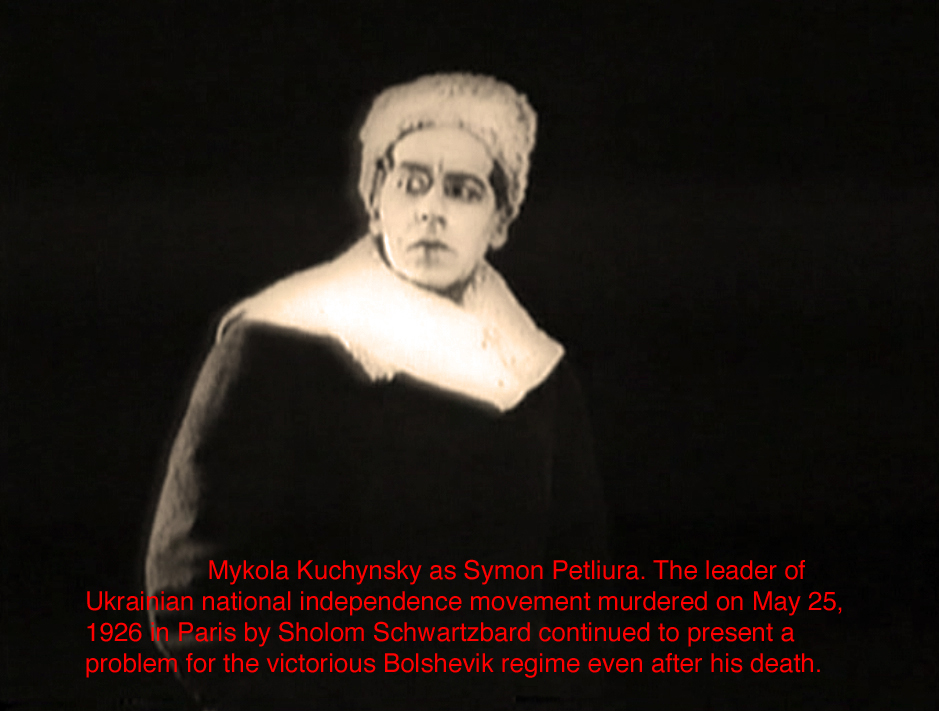
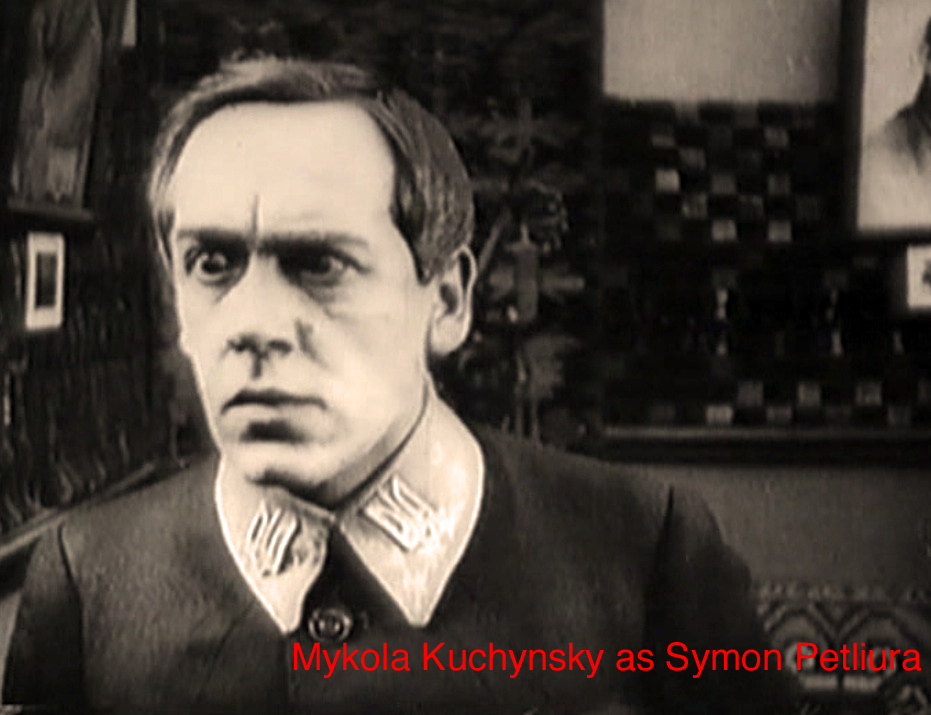
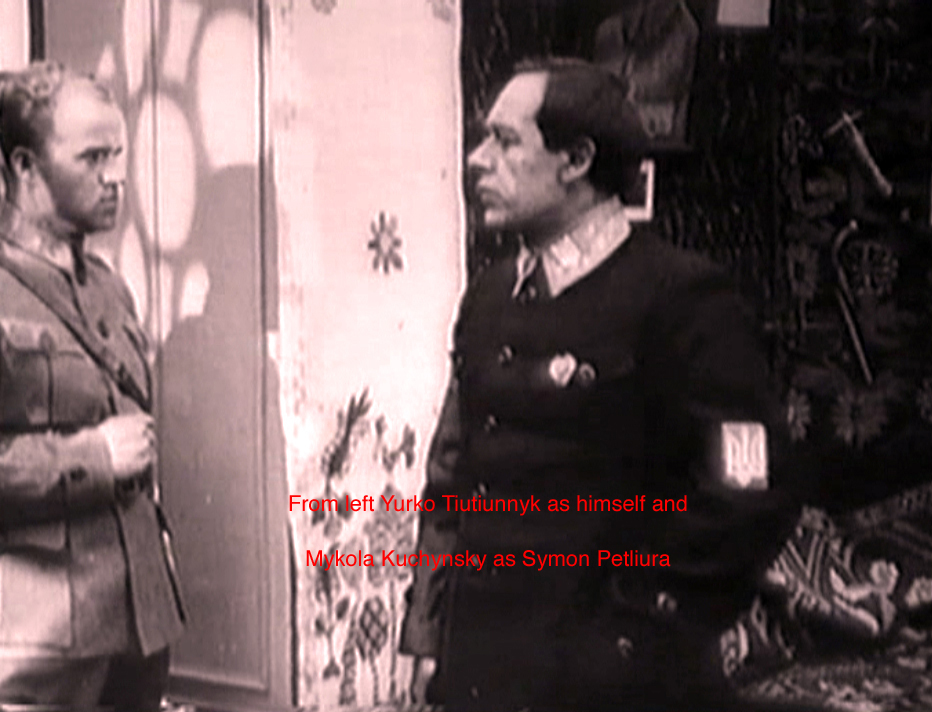
Mykola Kuchynsky as Symon Petliura
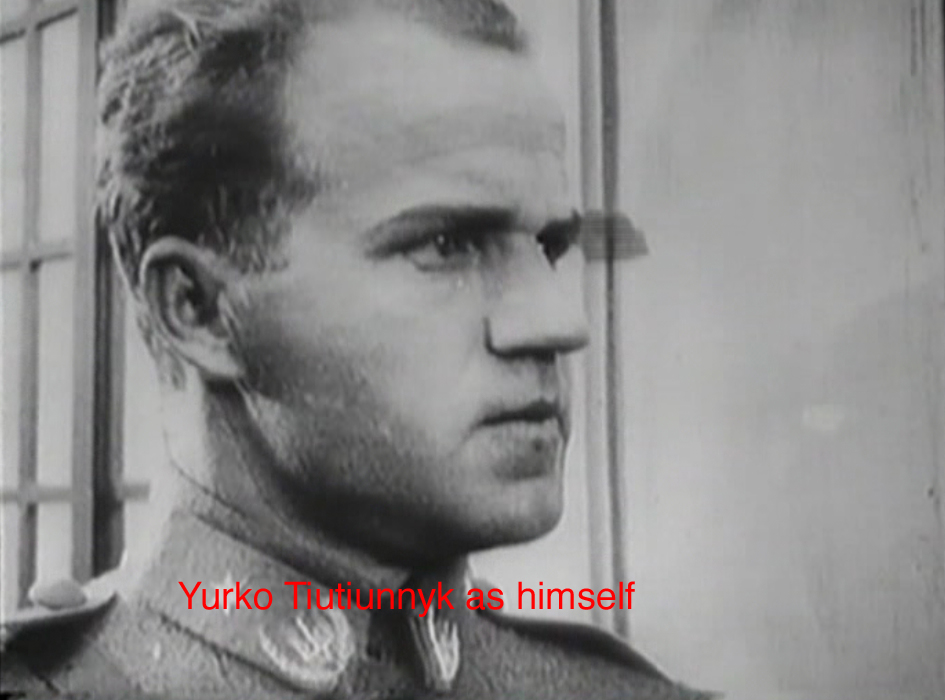
Yurko Tiutiunnyk as himself
Matviy Liarov as Jozef Pilsudski
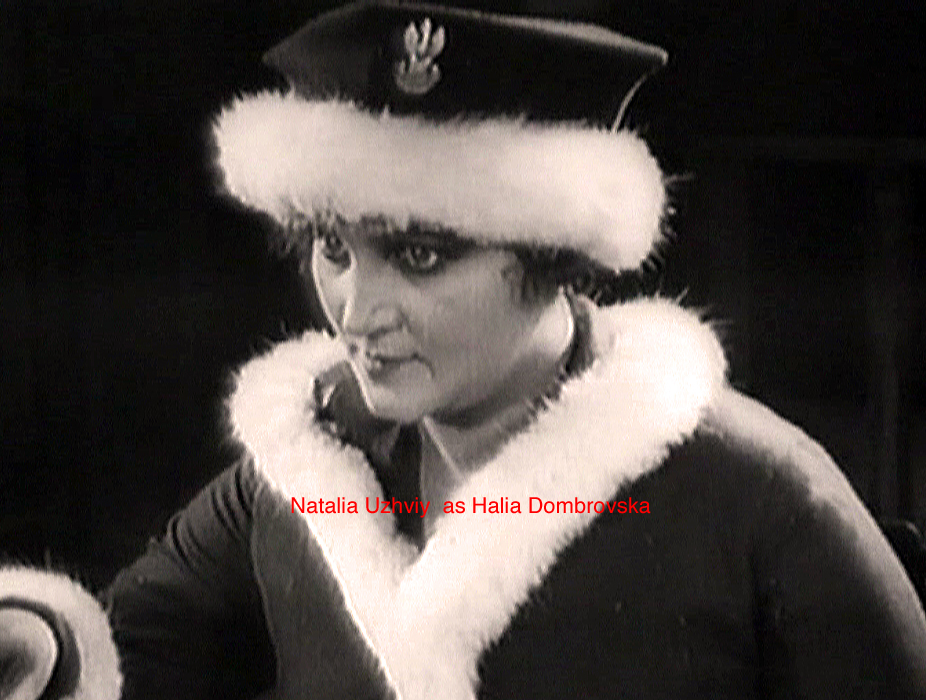
Natalia Uzhviy as Halia Dombrovska
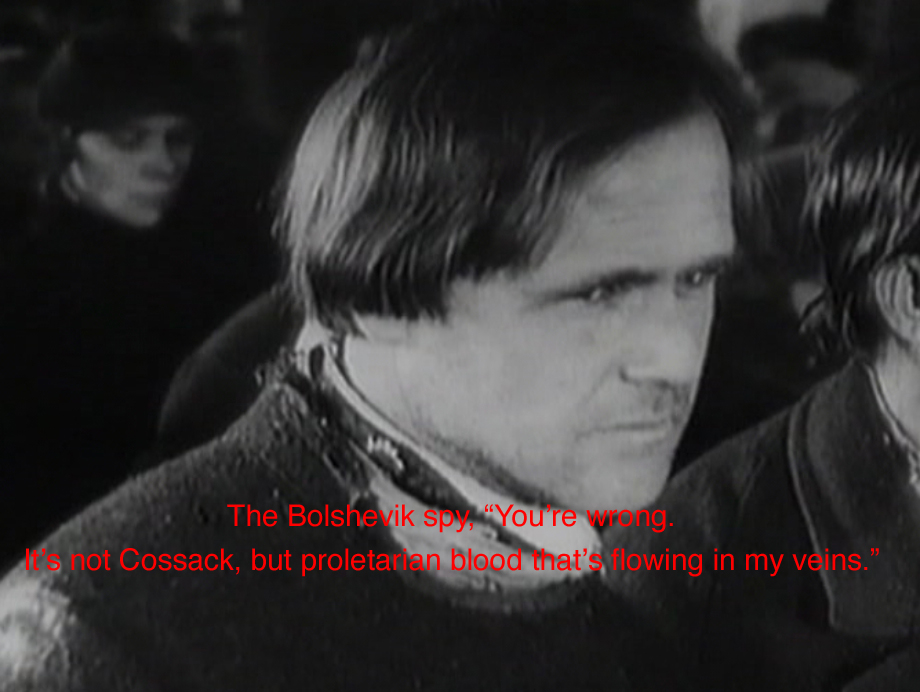
A. Timontaev as Bolshevik spy
Synopsis
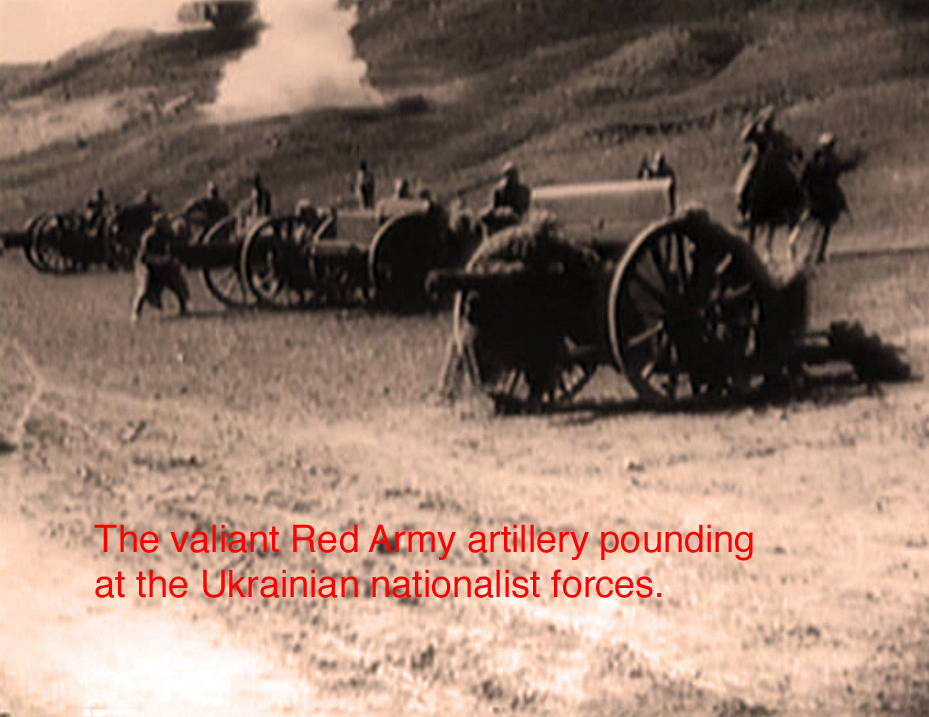
The defeated remnants of vile Ukrainian nationalists, headed by the leader of the Ukrainian liberation movement, Symon Petliura, cannot accept their historical fate and are plotting an insurrection against the Soviet regime in Ukraine. There is nothing Petliura and his cohorts would not do to win back control over Ukraine, including selling it to the highest bidder, in this case, the Polish dictator Jozef Pilsudski. A group of plotters are coordinating an insurrection in Kyiv with an attack from Poland headed by Petliura’s general Yurko Tiutiunnyk. Predictably, the invincible Red Army defeats the nationalist plotters and proves that the Soviet borders are impregnable.
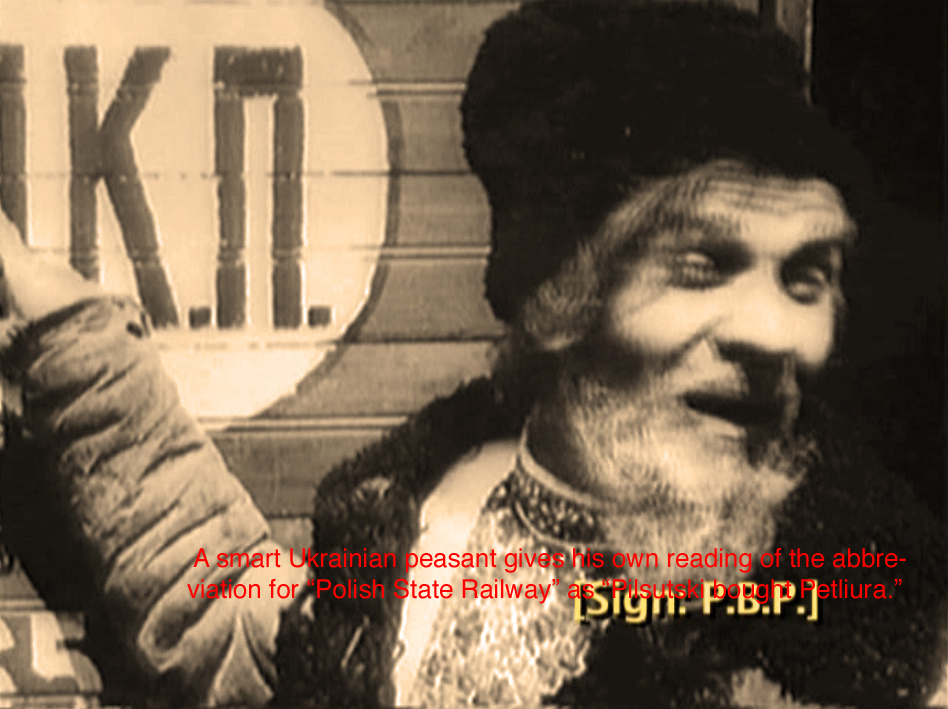
Filmed in the wake of Petliura’s assassination by Sholom Schwartzbard in Paris on May 25, 1926, this political thriller is a typical example of early Soviet agitprop, which incorporates many of the important elements used in later Soviet and post-Soviet Russian movies that deal with the issue of Ukrainian nationalism. These elements include 1) the dehumanization of political enemies, presenting them as traitors to their own people and sell-outs to foreign powers; 2) the consistent association of essential traits of Ukrainian identity, such as the Ukrainian language, folk costumes, the national colors blue and yellow, and the national anthem, with provincialism and narrow-minded nationalism; and 3) the belittlement of the Ukrainian language through the singling out of certain linguistic features and expressions as nationalist and laughable. Many of these features are still very much present in the post-Soviet Russian discourse on Ukraine. Although aesthetically crude, the film contains a wealth of historical and cultural information for those equipped to read between the lines. It features unique footage of the legendary Ukrainian patriot Yurko Tiutiunnyk, who plays himself. He trusted the Bolshevik amnesty and returned to Ukraine to take part in socialist construction only to be later accused of anti-Soviet activities, arrested, and executed. The film also features Ukrainian Soviet actress Natalia Uzhviy in one of her early roles.
“PKP” is the first film in a new project undertaken by the Ukrainian Film Club of Columbia University, with the aim of making available to an international public forgotten or little-known Ukrainian silent films by supplying them with high-quality English subtitles.
The films survived without Part Four.
Special thanks to Joel Davenport for providing gratis his technical expertise. |

 Film Library