|
WEEK
3. MANUFACTURING CIVIC AND COMMERCIAL CULTURE
|
 |
 |
 |
 |
 |
 |
 |
 |
 |
 |
 |
 |
 |
 |
 |
 |
 |
 |
 |
 |
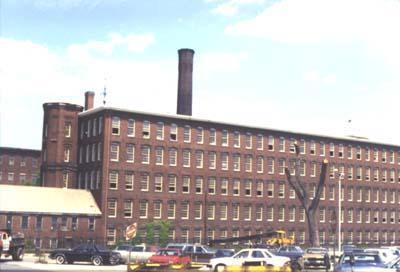 |
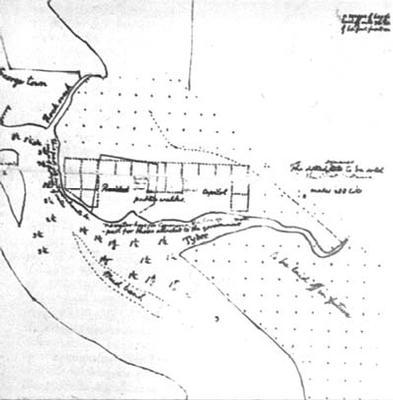
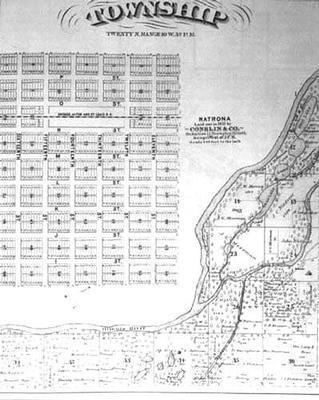
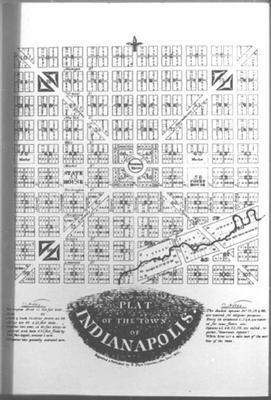
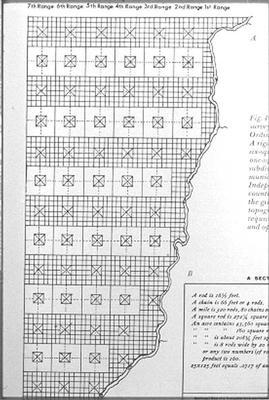
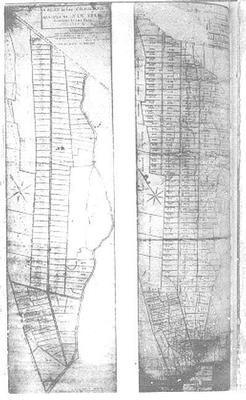
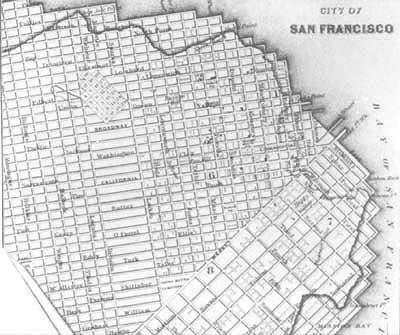
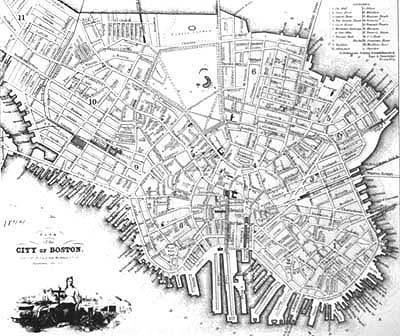
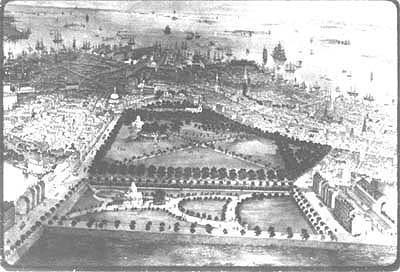
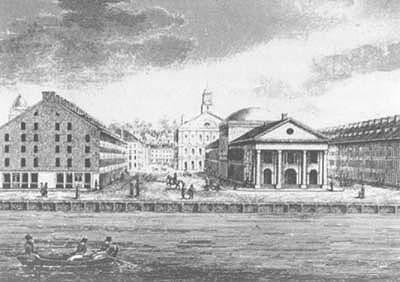
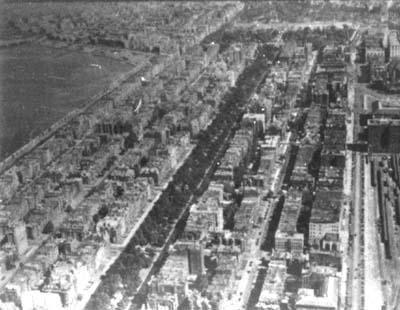
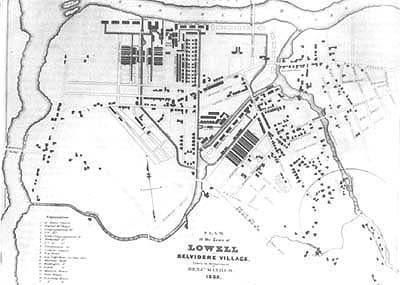
L'Enfant's Plan for Washington and the Commissioners' Plan for New York; urban boosterism; dissemination of the grid, the town square and the great urban park; producing industrial space.
READING:
Frederick Law Olmsted, ÒPublic Planning and the Enlargement of TownsÓ
(l870) in S.B. Sutton, ed., Civilizing American Cities: Writings on
City Landscapes by Frederick Law Olmsted (New York, l997), pp. 52-99
Jack H. Williamson, "The Grid: History, Use, and Meaning," in Victor Margolis,
ed., Design Discourse (Chicago, l989), pp. l7l-86
Recommended:
Hildegard Binder Johnson, "Towards a National Landscape," in Michael P.
Conzen, ed., The Making of the American Landscap (Boston, l990),
pp. l27-245
Thomas Bender, Toward an Urban Vision: Ideal and Institutions in Nineteenth
Century America (Baltimore, l982), esp. pp. 1-128 Stephen V. Ward,
Selling Places: The Marketing and Promotion of Towns and Cities, 1850-2000
(London, 1998)
Mona Domosh, Invented Cities: The Creation of Landscape in Nineteenth-Century
New York and Boston (New Haven, l995)
Harold and James Kirker, BulfinchÕs Boston, 1787-1817 (New York,
1964)
David Schuyler, The New Urban Landscape: The Redefinition of City Form
in Nineteenth- Century America (Baltimore, l986) Edward Spann, "The
Greatest Grid: The New York Plan of l8ll," in Two Centuries of American
Planning, ed. Daniel Scheffer (Baltimore, l988), pp. 11-40
Elizabeth Blackmar, Manhattan for Rent, 1785-1850 (Ithaca, l989)
Roy Rosenzweig and Elizabeth Blackmar, The Park and the People: A History
of Central Park (Ithaca, l992), esp. pp. 95-205
Charles E. Beveridge, ed., The Papers of Frederick Law Olmsted,
6 v. (Baltimore, 1977-97)
l. Are American cities determined principally by real estate and commercial
interests, or do these interact with other forces in different sites,
at different times in history?
2. What kinds of urban risks or dangers concerned Americans in the early-19th century? What precautions did they take in terms of where they lived, what regulations they passed, what institutions they built?
3. What are the strengths and limits of mapping a utopian vision for a society? How does it help people adhere to high ideals? Can the formal plan (perhaps even the names of a town or its major spaces) also suggest that the goals have been achieved?
4. To what extent can we speak of city planning or regional planning in this era, even though there were no agencies to undertake this scale of work? Who made decisions about cities and regional development? What roles did architects take on for themselves? What do you think of these public officials?
5. What do you think of the grid plan? Why is it so closely identified
with
American society?