|
WEEK 6. SUBURBAN DREAMS AND NATIONAL URBAN POLICIES
|
 |
 |
 |
 |
 |
 |
 |
 |
 |
 |
 |
 |
 |
 |
 |
 |
 |
 |
 |
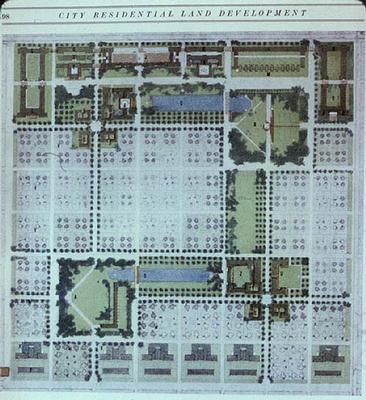 |
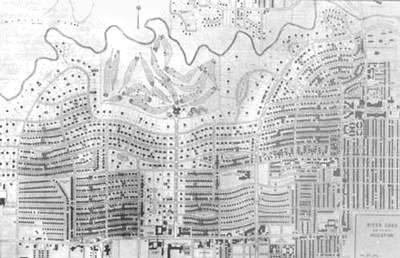
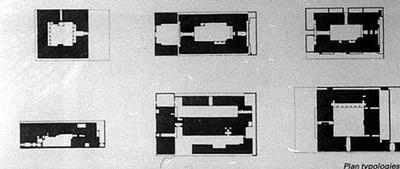
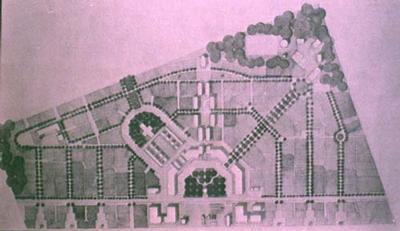
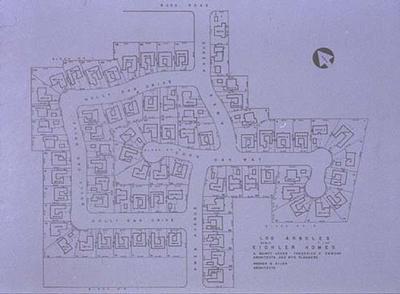
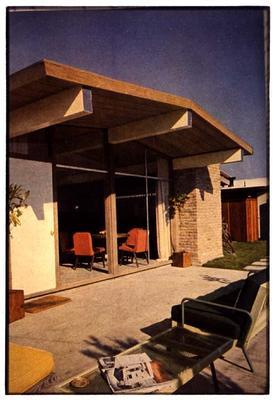
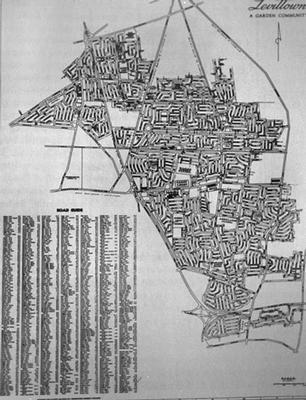
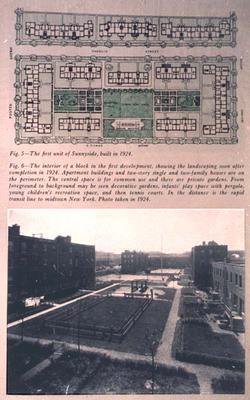
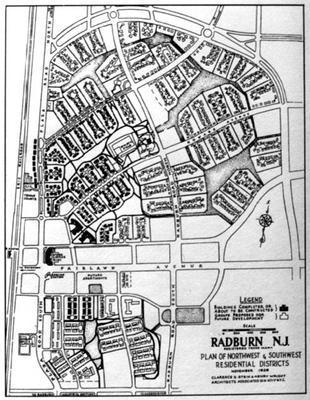
Builders, banks, bureaucracies and the cartographies of suburban development; the real estate lobby; Ònormal familiesÓ and social mobility; marketing controls and freedoms; architectsÕ visions.
READING:
Rosalyn Baxandall and Elizabeth Ewen, Picture Windows: How
the Suburbs Happened (New York, 2000), esp. pp. 143-157
D.J. Waldie, Holy Land: A Suburban Memoir (New York, 1996), esp.
pp. 1-14
Andreas Duany, Elizabeth Plater-Zyberk, and Jeff Spark, Suburban Nation:
The Rise of Sprawl and the Decline of the American Dream (New
York, 2000), pp. 39-57
Recommended:
Cynthia L. Girling and Kenneth I. Helphand, YardÑStreetÑPark: The Design
of Suburban Open Space (New York, l994)
Robert Fishman, Bourgeois Utopias: The Rise and Fall of Suburbia (New
York, l987)
Kenneth T.Jackson, Crabgrass Frontier:The Suburbanization of the United
States (N.York, l985)
Dolores Hayden, Redesigning the American Dream: The Future of Housing,
Work and Family Life (New York, l984)
Marc A. Weiss, The Rise of the Community Builders: The American Real
Estate Industry and Urban Land Planning (New York, l987)
Gerald E. Frug, City Making:Building Communities without Building Walls
(Princeton, 1999)
Mary Corbin Sies, The Suburban Ideal:A Cultural Strategy for Modern
Am. Living (Phila., 2000)
Gwendolyn Wright, Building the Dream: A Social History of Housing in
America (New York, l98l)
Peter G. Rowe, Making a Middle Landscape (Cambridge, 1991)
Philip Langdon, A Better Place to Live: Reshaping the American Suburb
(Amherst, 1994)
Peter Calthorpe and William Fulton, The Regional City: Planning for
the End of Sprawl (Washington DC, 2000)
QUESTIONS:
l. Why do so many Americans prefer suburbs? What are their associations and experiences?
2. How have Americans suburbs changed over time? (Think about the dwellings, the streets, the roads, the public spaces, the kinds of people and activities one might find there in l880, 1920, 1950, 1980, 2000.)
3. How many different kinds of suburbs have you seen? What are their differences and similarities?
4. How have suburbs affected American cities and the larger national environment?
5. Are suburbs a viable way of life in today's society? How do they affect the environment? What can be done to improve them?