|
|
|
|
|
It is important to recognize, however, that
if all of the components of the starting state (reactants, catalysts,
solvents, etc.) are achiral, any chiral product will be formed as a racemic
mixture. |
|
This generalization can be more simply stated as "Optically
inactive starting materials can't give optically active
products." (Remember: In order for a substance to be optically
active, it must be chiral and one enantiomer must be present in greater
amounts than the other. |
|
|
|
|
|
|
|
|
|
|
|
|
|
|
|
|
However, if the reactant is racemic, the
product will be racemic also. |
|
Remember: "Optically
inactive starting materials can't give optically active products." |
|
|
|
|
|
|
Reactions in living systems are catalyzed by
enzymes, which are enantiomerically homogeneous. |
|
The enzyme (catalyst) is part of the reacting system, so such reactions
don't violate the generalization that "Optically inactive starting
materials can't give optically active products." |
|
|
|
|
|
|
How many stereoisomers when a particular
molecule contains two stereogenic centers? |
|
|
|
|
What are all the possible R and S
combinations of the two stereogenic centers in this molecule? |
|
|
|
|
What are all the possible R and S
combinations of the two stereogenic centers in this molecule? |
|
|
|
|
4 Combinations = 4 Stereoisomers |
|
|
|
|
4 Combinations = 4 Stereoisomers |
|
What is the relationship between these
stereoisomers? |
|
|
|
|
|
|
|
|
stereoisomers that are not enantiomers are
diastereomers |
|
|
|
|
|
|
|
|
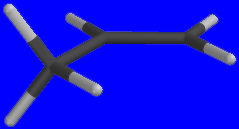
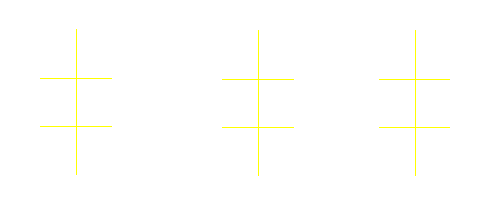
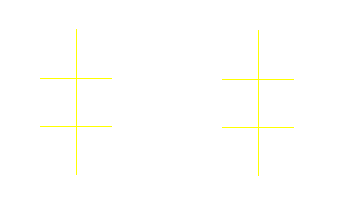
recall for Fischer projection: horizontal bonds point toward you; vertical bonds point away |
|
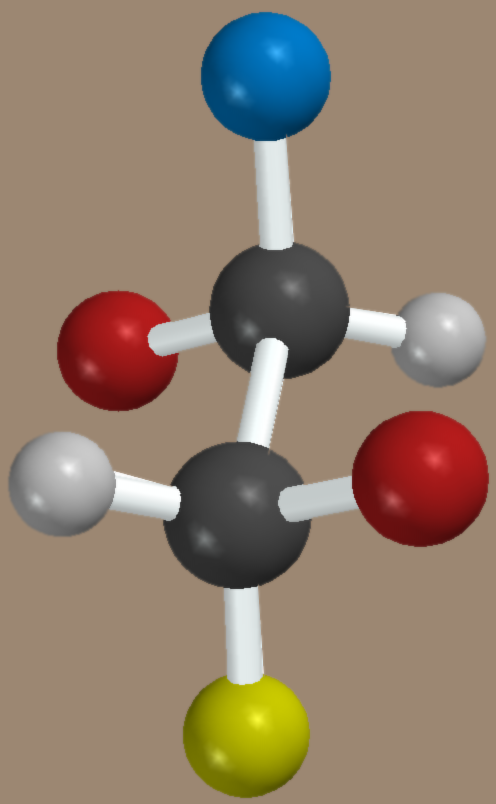
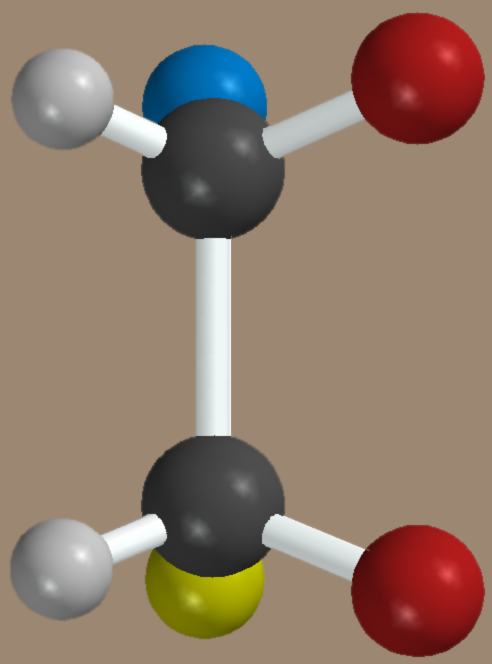
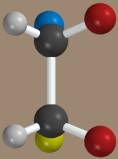
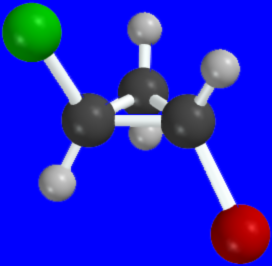
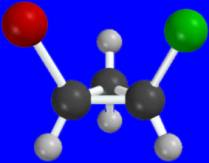
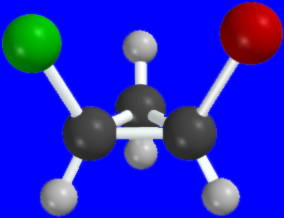
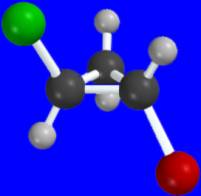
staggered conformation does not
have correct orientation of bonds for Fischer projection |
|
|
|
|
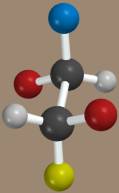
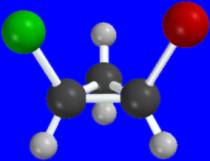
transform molecule to eclipsed conformation
in order to construct Fischer projection |
|
|
|
|
|
|
stereochemical prefixes used to specify relative
configuration in molecules with two stereogenic centers |
|
easiest to apply using Fischer
projections |
|
orientation: vertical carbon chain |
|
|
|
|
when carbon chain is vertical, same (or
analogous) substituents on same
side of
Fischer projection |
|
|
|
|
when carbon chain is vertical, same (or
analogous) substituents on opposite
sides of
Fischer projection |
|
|
|
|
nonsuperposable mirror images; enantiomers |
|
|
|
|
nonsuperposable mirror images; enantiomers |
|
|
|
|
stereoisomers that are not
enantiomers; diastereomers |
|
|
|
|
It is possible for a molecule to have
stereogenic centers yet be achiral. |
|
|
|
|
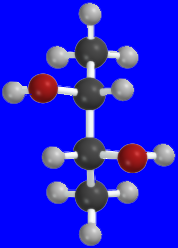
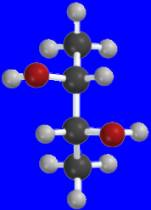
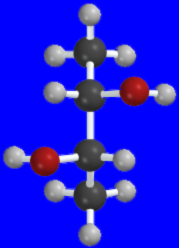
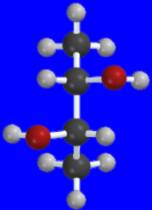
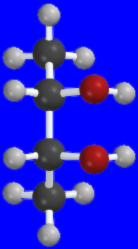
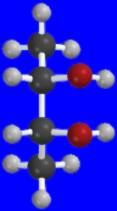
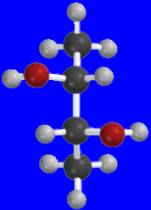
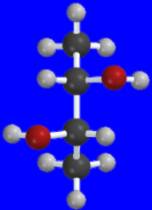
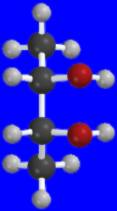
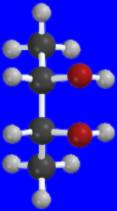
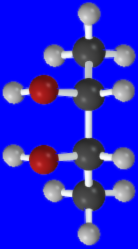
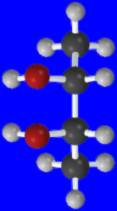
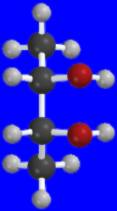
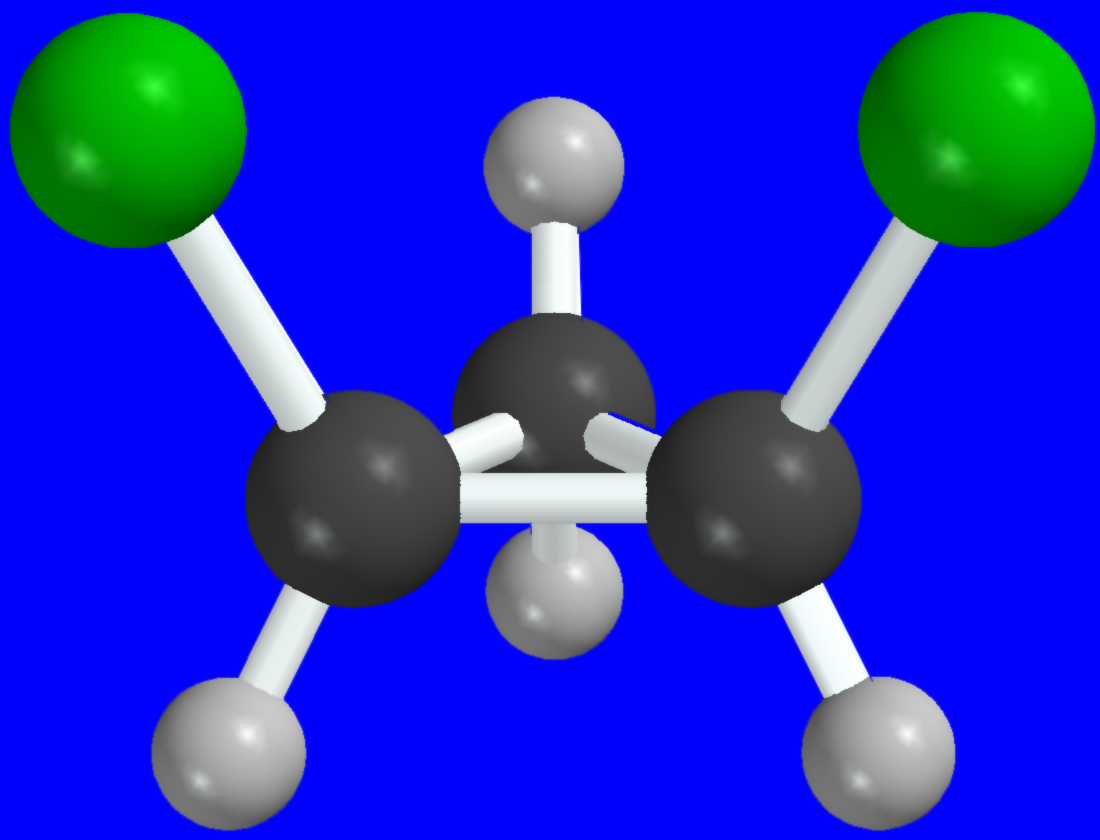
Consider a molecule with two equivalently
substituted stereogenic centers such as 2,3-butanediol. |
|
|
|
|
|
|
|
|
|
|
|
|
|
|
therefore, this structure and its mirror
image
are the same |
|
it is called a meso form |
|
a meso form is an achiral molecule that has
stereogenic centers |
|
|
|
|
therefore, this structure and its mirror
image
are the same |
|
it is called a meso form |
|
a meso form is an achiral molecule that has
stereogenic centers |
|
|
|
|
meso forms have a plane of symmetry and/or a
center of symmetry |
|
plane of symmetry is most common case |
|
top half of molecule is mirror image
of bottom half |
|
|
|
|
|
|
|
|
|
|
maximum number of stereoisomers = 2n |
|
where n = number of structural units capable
of stereochemical variation |
|
structural units include stereogenic centers
and cis and/or trans double bonds |
|
number is reduced to less than 2n
if meso forms are possible |
|
|
|
|
4 stereogenic centers |
|
16 stereoisomers |
|
|
|
|
11 stereogenic centers |
|
211 = 2048 stereoisomers |
|
one is "natural" cholic acid |
|
a second is the enantiomer of natural cholic
acid |
|
2046 are diastereomers of cholic acid |
|
|
|
|
maximum number of stereoisomers = 2n |
|
where n = number of structural units capable
of stereochemical variation |
|
structural units include stereogenic centers
and cis and/or trans double bonds |
|
number is reduced to less than 2n
if meso forms are possible |
|
|
|

 Notes
Notes