FWP:
SETS == KAHAN
Some general points about this whole gazal have been made in {85,1}.
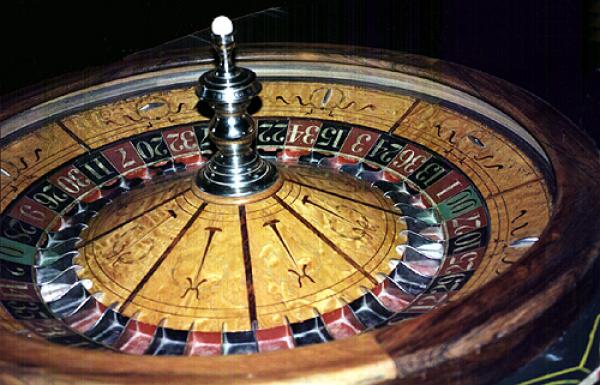
In the previous verse, loss of health in the heart and liver was portrayed as a kind of impotence. And here too, the lack of 'money in the purse' means that the lover will never be admitted to the gambling-house of passion, and could never afford to join the game in any case. So once again he's lamenting his powerlessness. The other meanings of girih , which is literally a 'knot' and metaphorically a 'difficulty' (see the definition above), also hover within the semantic field.
In both cases, it's the sense of decline from a former state
that gives the verse its bite. The reason the speaker can't go to the gambling-house
any more is that he's already wagered and lost everything he had. He's bankrupt
now. It's the drastic nature of the fall that makes his expulsion so bitter.
Yet all this emerges only by implication,
from our general knowledge of the parameters of the ghazal world.
Nazm:
That is, now there's neither the cash of the heart, nor the gold-piece of the wound, nor the wealth of endurance. With what wealth can I gamble, and with what stakes can I throw the dice? (84)
== Nazm page 84