RUBENSTEIN LAB

integrative organismal biology in a changing world

RESEARCH

 integrating organismal biology  

through studies that combine behavior, ecology & evolution 

with those of underlying molecular & neuroendocrine mechanisms

current systems

past systems

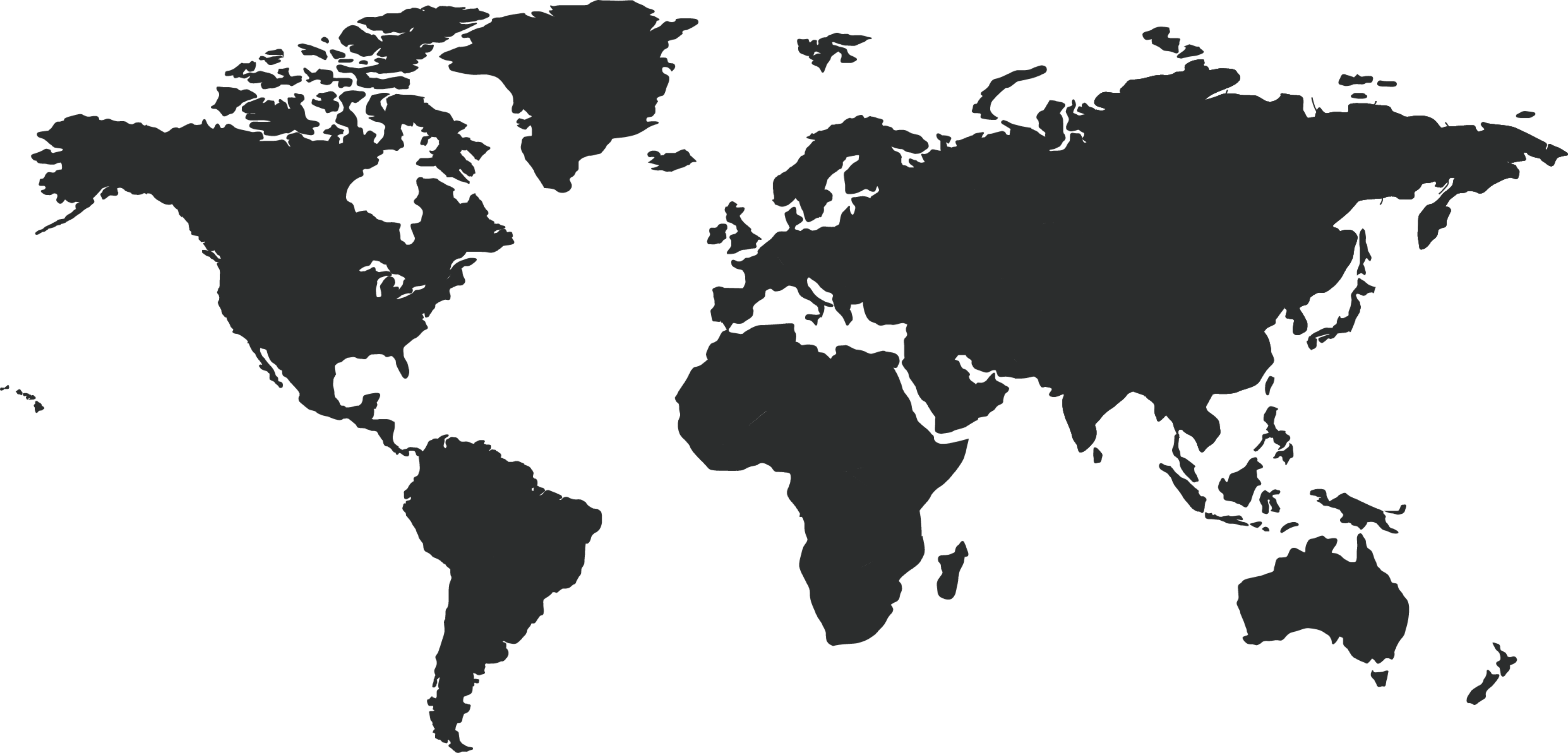
World Map
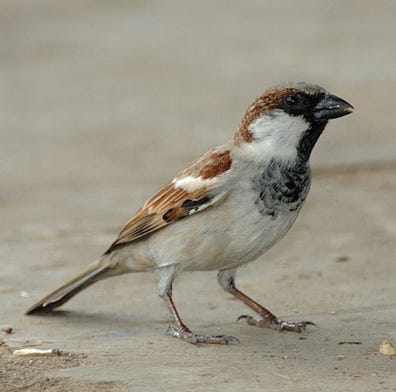
HOSP
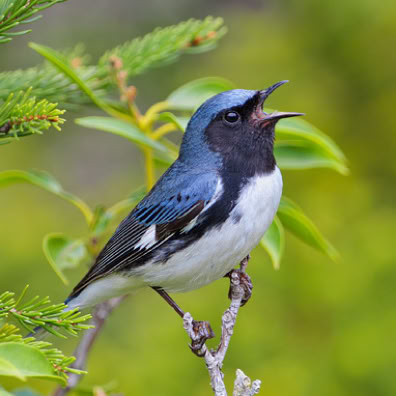
BTBW

house sparrows 

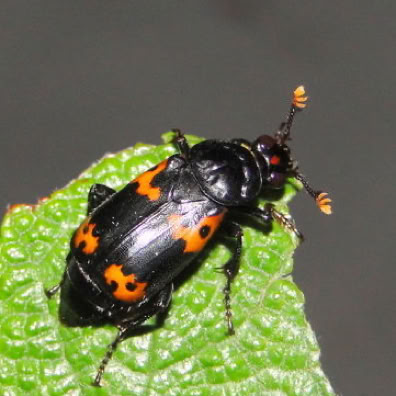
burying beetle
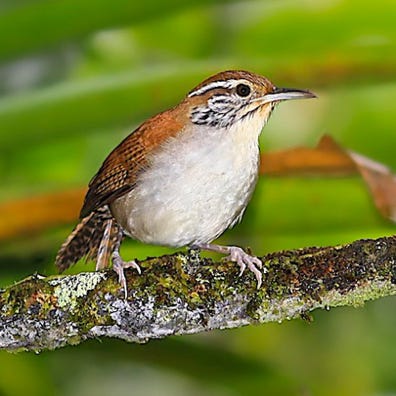
Wren
SS
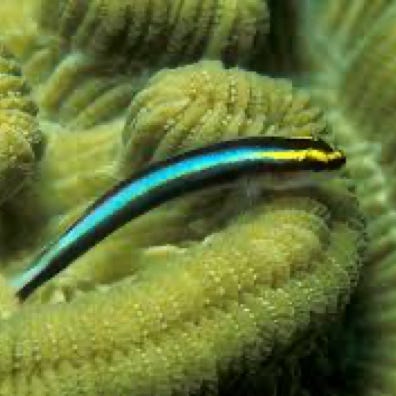
Goby

warblers

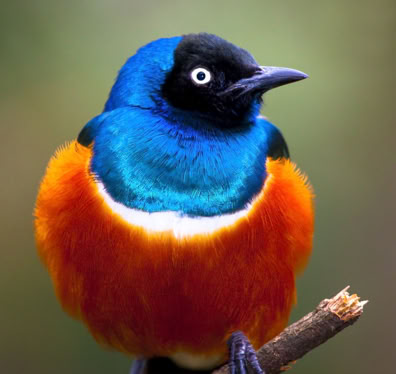
GCSW

burying beetles

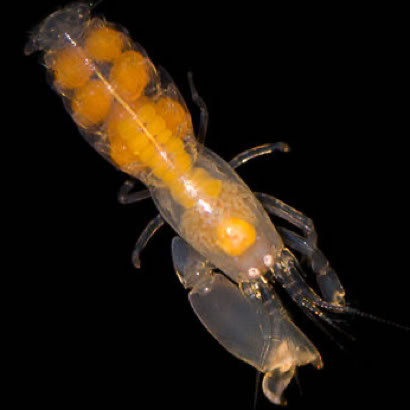
Synalpheus

wrens

starlings 

gobies

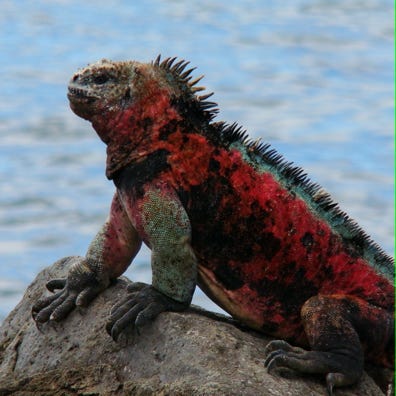
marine iguana
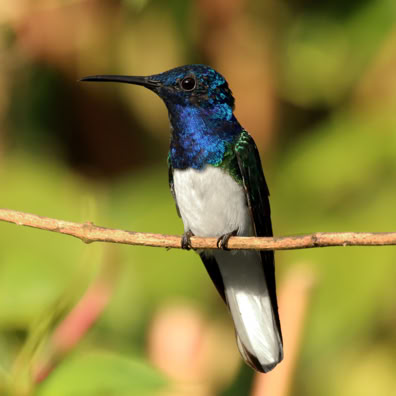
Florisuga

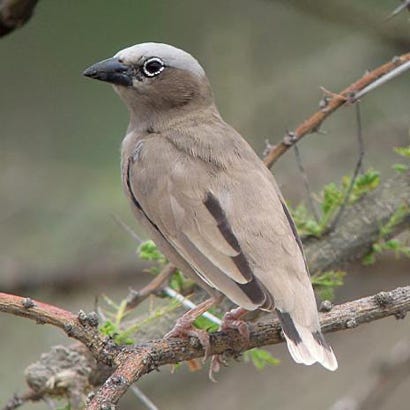
weavers

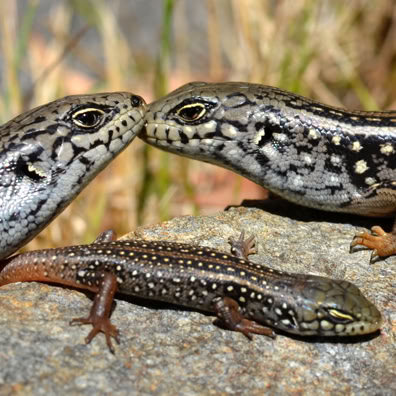
Egernia
Wasp

snapping shrimps

marine igaunas

hummingbirds

Egernia lizards

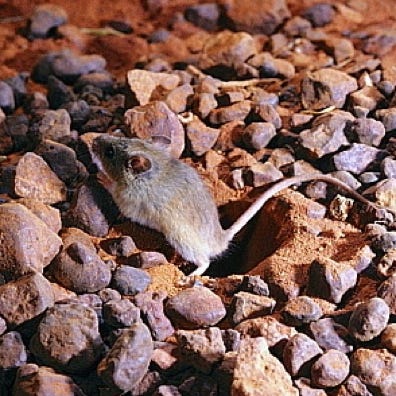
pebble mice

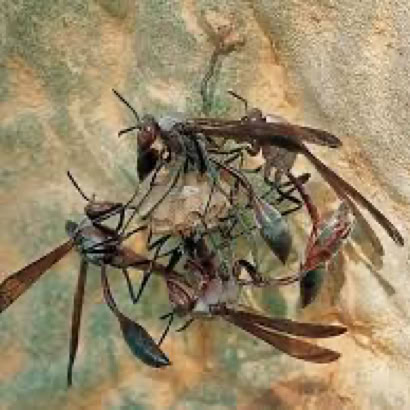
wasps

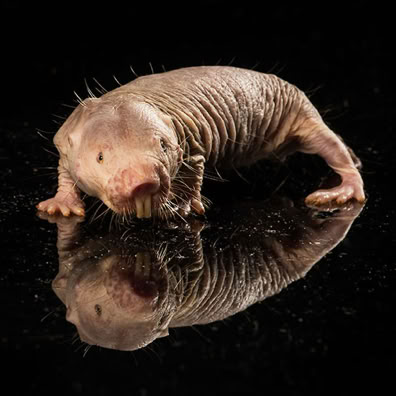
mole rats


spanning molecules to populations  

from invertebrates to vertebrates & across levels of analysis, 

scales of biological organization & the globe

 social evolution

causes and consequences of sociality

environmental uncertainty

 and social evolution

neuroendocrine and molecular 

bases of social behavior

ecology and evolution of cooperation and conflict

We examine how environmental fluctuation  influences the evolution of cooperation and conflict using long-term studies in free-living populations and phylogenetic comparative methods to link life history and ecological variation across species.

We study the neuroendocrine and molecular bases of sociality  by examining patterns of gene expression, signatures of genetic and epigenetic variation and structural variation, as well as by measuring and manipulating  hormones and neuropeptides.

We explore how cooperation influences competitive ability against conspecifics, niche breadth and range expansion, as well as how cooperation and conflict influence the evolution of social signaling, patterns of sexual dimorphism and genome structure.


environmental coping

behavioral, physiological and molecular adaptations to global change

adaptation along 

ecological gradients

genome architecture 

and local adaptation

epigenetics and 

adaptive plasticity

We study social behavior, stress physiology, immune function, color evolution and patterns of genetic and epigenetic variation along gradients of elevation, precipitation and temperature across the globe.

We explore the molecular mechanisms that underlie local adaptation by  the role of structural variation (inversions, copy number variants and transposable elements) in the evolution of behavioral polymorphisms.

We examine how environmental conditions during development influence social phenotypes, stress physiology and ultimately fitness throughout life by studying DNA methylation, microRNAs, and hormones.


harnessing AI

to transform organismal biology by collecting, linking and analyzing ever more complex datasets

quantifying 

complex phenotypes

improving species 

distribution modeling

linking diverse 

datesets

We use machine learning and generative AI to quantify complex morphologies from images,  sophisticated behaviors from video recordings, and individual identities from sound recordings.

We use AI to improve species distribution modeling and other forms of predictive modeling to determine how organisms are likely to respond to and cope with climate and land-use change.

We use AI to help connect diverse biological datasets (molecular, morphological, behavioral, physiological) with environmental data to examine organismal responses to environmental change.

[email protected]   |   1-212-854-4881   |   90 Morningside Drive (office)   |   851-854 Schermerhorn Extension (lab)

© 2002-2026  |  Dustin R. Rubenstein

RUBENSTEIN LAB