Lesson 3: Bullying
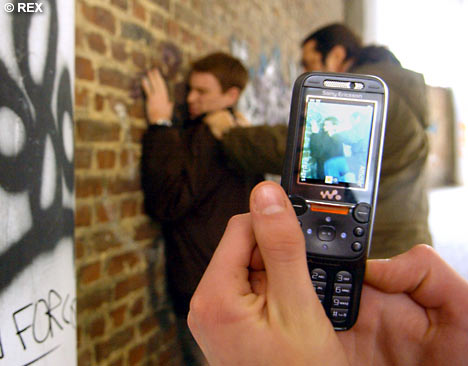
What Is The Definition of Bullying?
Bullying happens when someone hurts or scares another person on purpose and the person being bullied has a hard time defending himself or herself. Usually, bullying happens over and over.
- Punching, shoving, and other acts that hurt people physically
- Spreading bad rumors about people
- Keeping certain people out of a "group"
- Teasing people in a mean way
- Getting certain people to "gang up" on others
Bullying also can happen online or electronically. Cyberbullying is when children or teens bully each other using the Internet, mobile phones or other cyber technology. This can include:
- Sending mean text, email, or instant messages
- Posting nasty pictures or messages about others in blogs or on Web sites
- Using someone else's user name to spread rumors or lies about someone
Why Do Kids Bully?
There are all kinds of reasons why young people bully others, either occasionally or often.
- Because I see others doing it
- Because it's what you do if you want to hang out with the right crowd
- Because it makes me feel, stronger, smarter, or better than the person I'm bullying
- Because it's one of the best ways to keep others from bullying me
Do You Bully?
If you're not sure if what you're doing is really bullying, then take our Quick Quiz/Signs That You Bully.
Effects of Bullying
If you've ever heard an adult - or anyone else - say that bullying is "just a fact of life" or "no big deal," you're not alone! Too often, people just don't take bullying seriously - or until the sad and sometimes scary stories are revealed.
- It happens a lot more than some people think. Studies show that between 15-25% of U.S. students are bullied with some frequency, while 15-20% report they bully others with some frequency (Melton et al, 1988; Nansel et al, 2001).
- It can mess up a kid's future. Young people who bully are more likely than those who don't bully to skip school and drop out of school. They are also more likely to smoke, drink alcohol and get into fights (Nansel et al, 2003; Olweus, 1993).
- It scares some people so much that they skip school. As many as 160,000 students may stay home on any given day because they're afraid of being bullied (Pollack, 1998).
- It can lead to huge problems later in life. Children who bully are more likely to get into fights, vandalize property, and drop out of school. And 60% of boys who were bullies in middle school had at least one criminal conviction by the age of 24 (Olweus, 1993).
Class Activity
Take a look at Webisode 5 to see an example of cyberbullying. There are many ways that young people bully each other, even if they don't realize it at the time.