| |
CONCEPTUAL
MODEL >>>
One of the primary goals of ASW1 was to develop a conceptual
model to link changes in biodiversity to changes in ecosystem
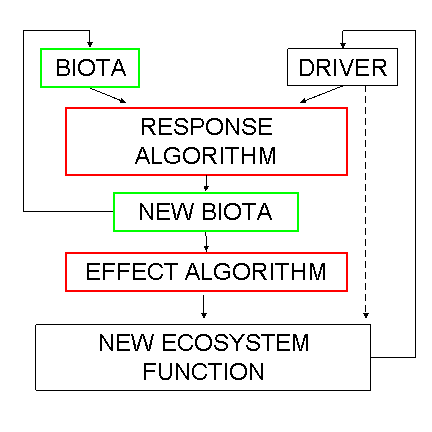
function. We determined that a two-level approach, based
on the recognition of "response" and "effect"
functional traits, was most appropriate. The "response
traits" of the extant biota combined with the state
changes caused by a driver enter into the response algortithm
which determines the richness, composition, and distribution
of abundances of the species in the new biota. The "effect
traits" of the new biota, along with possible direct
effects of the driver, determine the new level of ecosystem
functioning.
MODEL ECOSYSTEM
>>>
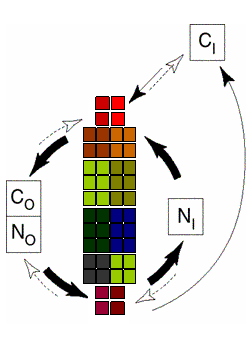
An additional goal of ASSW1 was to determine what a generic
or model ecosystem might look like in order to facillitate
our conceptual discussions.
-
Consumers link producers and decomposers
-
Functional groups are not necessarily nested within
trophic levels nor or trophic groups cleanly definable
as functional groups
-
Dashed arrows indicate minor flows while solid arrows
indicate major flows. CI = inorganic carbon, CO = organic
carbon, NI = inorganic nutrients, and NO = organic nutrients.
EXAMPLE DATASETS
>>>
As an exercise, workshop participants developed two hypothetical
datasets containing information on the abundance of species,
their functional traits, and levels of ecosystem functioning
prior to and after the imposition of a driver. The idea
was to explore what was needed to constitute a "minimal"
dataset, that is one for which observersknowing nothing
about the nature of the driver were able to make informed
guesses about the nature of the driver and why the ecosystem
had responded in the observed manner. Below are the two
example datasets that the participants developed.
|
ID#
|
Taxon |
Nt1
|
Nt2
|
Trait 1
|
Trait 2
|
Trait 3
|
Trait 4
|
Trait 5
|
Trait 6
|
Trait 7
|
|
1
|
Aardvark** |
23
|
25
|
|
|
|
|
|
4,5,6
|
|
|
2
|
Sunbird |
42
|
20
|
|
|
|
|
|
7,8,9
|
|
|
3
|
Bombylid Flies |
92
|
15
|
|
|
|
|
|
4,5,6
|
|
|
4
|
Ant 1* |
0.5
|
0.1
|
|
|
|
|
+
|
7,8,9
|
-
|
|
5
|
Ant 2* |
0.2
|
0.002
|
|
|
|
|
+
|
7,8,9
|
-
|
|
6
|
Ant 3* |
0
|
1
|
|
|
|
|
-
|
10
|
+++
|
|
7
|
Dicot Shrub 1 |
80
|
50
|
med
|
med
|
1
|
Seed and root
|
|
|
|
|
8
|
Dicot Shrub 2 |
20
|
21
|
high
|
med
|
1.5
|
Seed and root
|
|
|
|
|
9
|
Dicot Shrub 3 |
10
|
1
|
med
|
low
|
1
|
Seed
|
|
|
|
|
10
|
Grass 1 |
5
|
5
|
high
|
med
|
0.1
|
Seed and veg.
|
|
|
|
|
11
|
Grass 2 |
10
|
20
|
high
|
high
|
0.25
|
Seed and veg.
|
|
|
|
|
12
|
Grass 3 |
0
|
90
|
high
|
high
|
0.2
|
Seed and veg.
|
|
|
|
Traits: 1) fire tolerance, 2) fire promotion, 3) root
depth (m), 4) regeneration strategy 5) seed dispersal
+/-,
6) consumes species #, 7) aggressiveness
** number per km2, * colony number per m2, rest are number
per hectare
Environment: no change in annual rainfall, average temperature,
atmospheric composition
| Species |
Trophic Group
|
Family
|
Body Mass (kg)
|
Height (cm)
|
C:N
|
Year 1
|
Year 10
|
T1 % Cover
|
T2 % Cover
|
T1 Abun
|
T2 Abun
|
| A. nasty |
Predator
|
Felidae
|
100
|
|
|
|
|
|
|
0.1
|
0.001
|
| B. maximus |
Herbivore
|
Boivid
|
500
|
|
|
|
|
|
|
2
|
0
|
| B. minimus |
Herbivore
|
Cervid
|
60
|
|
|
|
|
|
|
12
|
2
|
| C. minimini |
Herbivore
|
Cervid
|
40
|
|
|
|
|
|
|
10
|
1
|
| D. minitini |
Herbivore
|
Lagomorph
|
5
|
|
|
|
|
|
|
30
|
3
|
| P. maximus |
|
Poaceae
|
|
160
|
High
|
|
|
10
|
90
|
|
|
| P. minimus |
|
Poaceae
|
|
30
|
Low
|
|
|
20
|
5
|
|
|
| Q. minimini |
|
Poaceae
|
|
40
|
Low
|
|
|
50
|
3
|
|
|
| R. minitini |
|
Poaceae
|
|
35
|
Low
|
|
|
20
|
2
|
|
|
| AG Biomass(g/m2) |
|
|
|
|
|
350
|
700
|
|
|
|
|
| Decomposition |
|
|
|
|
|
Fast
|
Slow
|
|
|
|
|
| Litter |
|
|
|
|
|
Thin
|
Thick
|
|
|
|
|
This area receives 1000 mm rain per year. Animal abundances
are in individuals/hectare
PARTICIPANTS
IN ASW1 >>>
David Ackerly, Stanford University
|
Ansgar Kahmen, Max Planck Inst
of Biogeochemistry |
| Mike Austin, CSIRO |
Sharon Lawler, UC Davis |
Andy Beattie, Macquarie University
|
Michel Loreau, Ecole Normale Superior |
Jason Bradford, UC Davis
|
Nicholas Mouquet, FSU |
Laura Cacho, U Virginia
|
Peter Morin, Rutgers University |
Robert Colwell, U Connecticut
|
Shahid Naeem, U Washington |
Amy Downing, Ohio Wesleyan
|
Duane Peltzer, Landcare Research |
Jeff Dukes, Carnegie Institute
of Washington
|
Andrea Pfisterer, U Zurich |
Katia Engelhardt, University of
Maryland
|
Jennifer Ruesink, U Washington |
| Andy Hector, NERC, Imperial College |
Mahesh Sankaran, Colorado State |
Melinda Hillery, Edith Cowan Univsersity
|
Brian Starzomski, U British Columbia |
Pablo Inchausti, Ecole Normale
Superior
|
Amy Symstad, Illinois Natural History
Survey |
Claire Jouseau, U Washington
|
Volkmar Wolters, Justus Leibig
U |
|
Justin Wright, U Washington
|
|
|
|


