Milestones by Age
Return to Development Intro Page
1-2 months 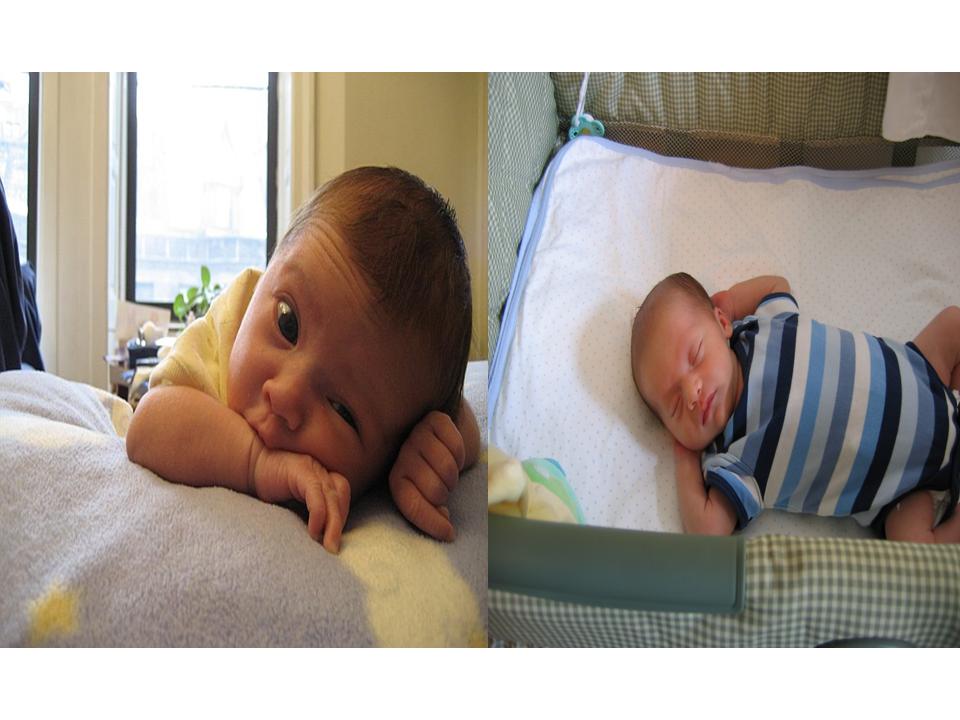 Social: - regards face, mutual gaze
- spontaneous smile: first few weeks (inborn behavior, not in response to external stimuli, often unilateral)
- “quiet alert state”- increasing periods of visual attention and alertness
- reciprocal social smile by 2 months in response to external stimuli
Language: - responds to sounds
- spontaneous soft cooing
Motor: - Head up in the prone position
- Hands become open, unfisted most of the time (2 months)
Did you know…? - Minimum expected weight gain from 2 weeks to 3 months is approx. 1 oz per day
- Typical total crying times are: 2 hours/day at 2 weeks progressing to a peak of 3 hours/day at 6 weeks and tapering to 1 hour/day by 3 months
- Head circumference increases by 5-6 cm in the first 3 months. This is the most rapid period of postnatal brain growth.
LINK TO: Infant Colic LINK TO: Newborn Reflexes
3-4 months 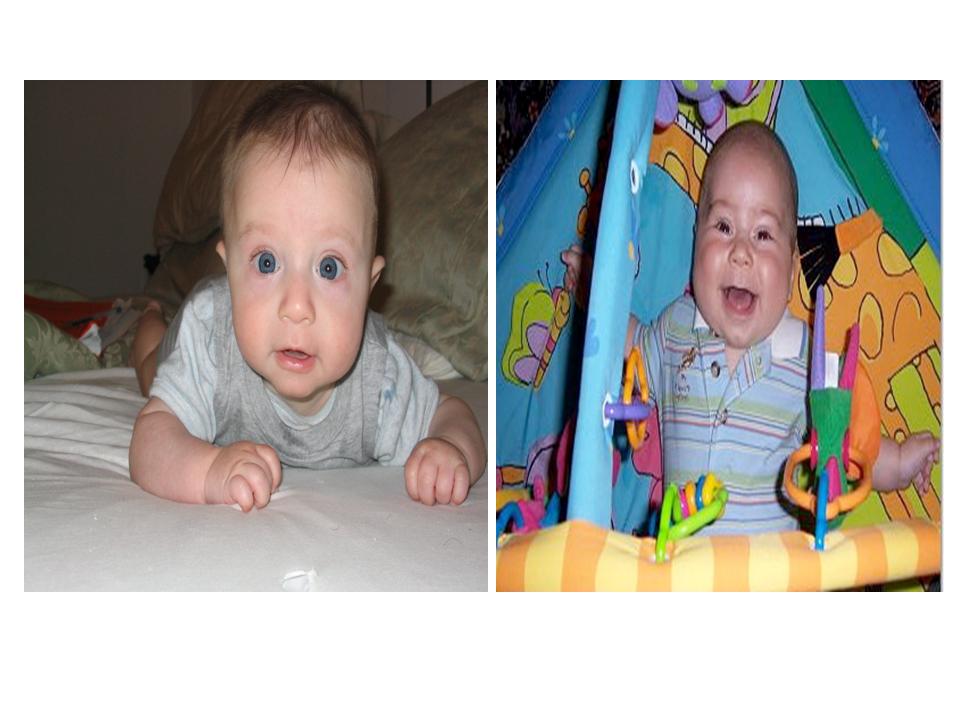
Social: Language: Gross Motor: hands to midline rolling (first from front to back; back to front takes more coordination and usually seen at 5 months) bats at object (stethoscope) and may grab it holds onto a toy placed in hand in prone position, head up 90 degrees, holds self up on forearms
Did you know…? This is the age where babies start drooling a lot. (Also puts hands in mouth, which makes some parents misinterpret this as teething pain.) At this age, babies may sleep 5-6 hours at night Nap schedule: An infant at this age usually has 2-4 naps per day, gradually moving toward 2 naps at 6-9 months and consolidating to one long nap per day from 18-36 months. It is best to avoid overstimulation – babies still need help calming themselves. For example, at least some feedings each day should take place in a quiet room with no distractions LINK TO: Good Sleeping Habits for Baby
5-6 months 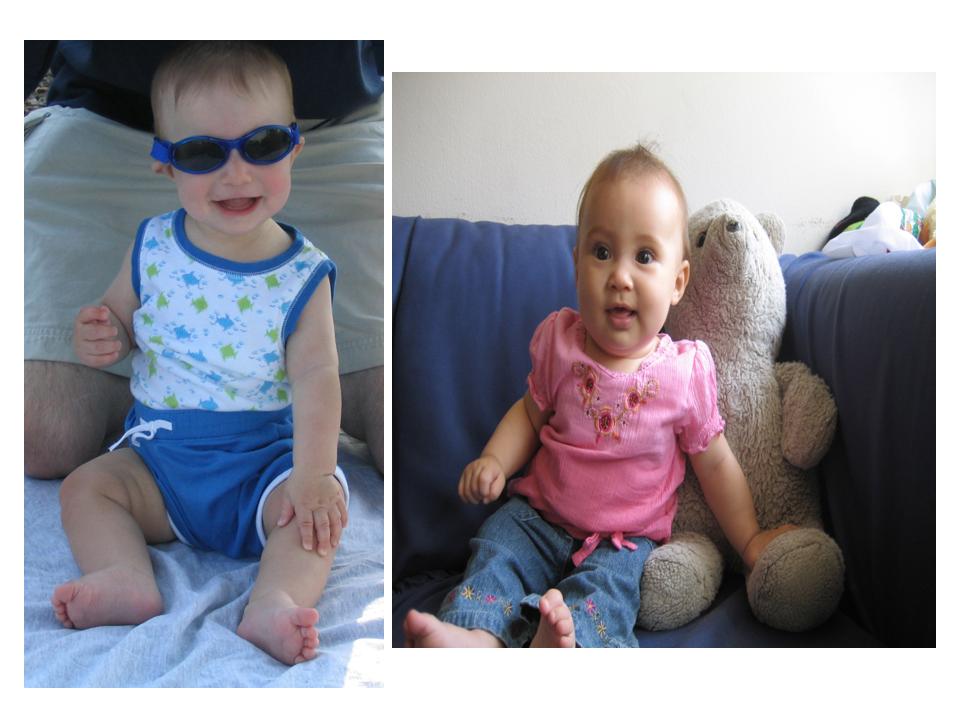
Social:
- becomes very social at this age; initiates interactions with everyone
Language: - monosyllabic babbling (sound units with a consonant and a vowel). Also normal for this to start later, up to 10 months.
Fine Motor: - Transfers object from hand to hand
- Raking grasp (palmar grasp)
Gross Motor: - Bears weight on feet when held upright
- 5 months: Grasps and brings feet to mouth when lying supine
- 6 months: Crumples exam room paper, has more accurate reach, starting to sit with minimal support
Did you know? - Good sleep schedules start at this age (See Good Sleep Patterns)
- Babies will say “da” before “ma,” which is why they say “dada” before “mama”
LINK TO: Development of Reach & Grasp LINK TO: Emergence of Handedness
9 months 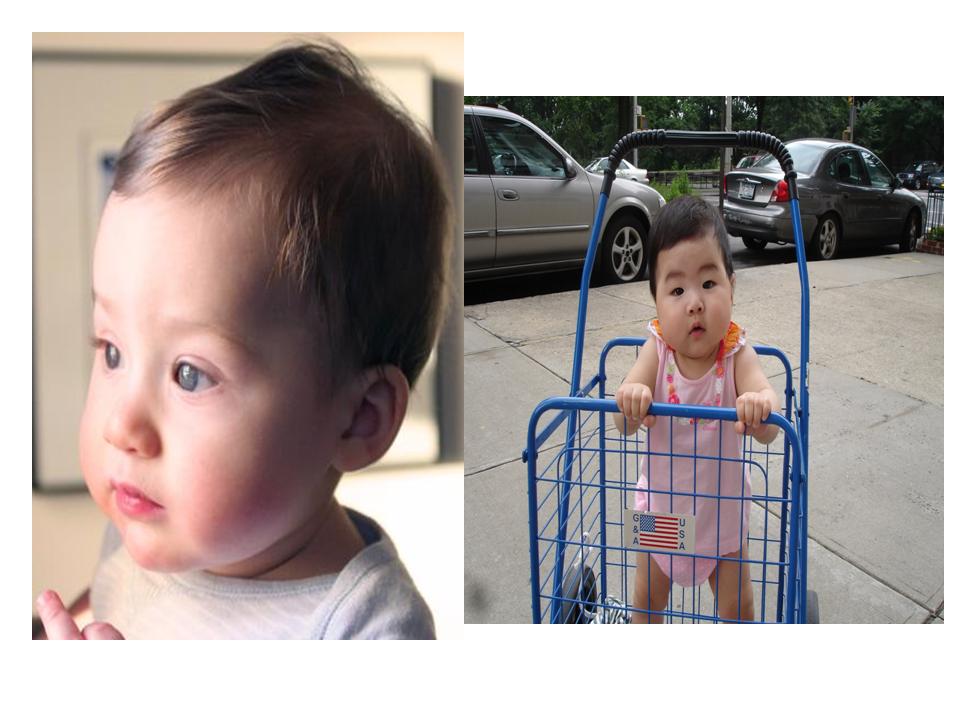
Social - Stranger anxiety (6-9 months).
- Finds a hidden object she has seen disappear: object permanence (e.g. protest when parents leave the room, follow dropped red yarn or thrown cheerio below horizon).
- Gesture games: Pat-a-cake. Peek-a-boo (at this age, especially loves peek-a-boo because the game plays into the newfound understanding of object permanence)
- May select a transitional object (part of the developmental process of becoming independent, cuddly object substitutes for an absent parent.)
Transitional object: 
Language: - “dada,” “mama” non-specific
- baby talk (jabbering): mixed varied sounds with inflections and gestures
- understands: name, “no,” familiar objects or people, “bye-bye”
Gross Motor: - Moves forward somehow: crawling is the norm. Some find another way: creeping (pulling with arms), scooting
- Pulls to stand, gets to sitting position themselves
- 10 months: cruising
Fine Motor: - eats finger foods
- bang 2 cubes together, clap hands
- uses scissorlike grasp (thumb and pad of index finger) = inferior pincer (see Development of Grasp)
- when reaching, anticipates the shape of the object
Did you know…?
1 year 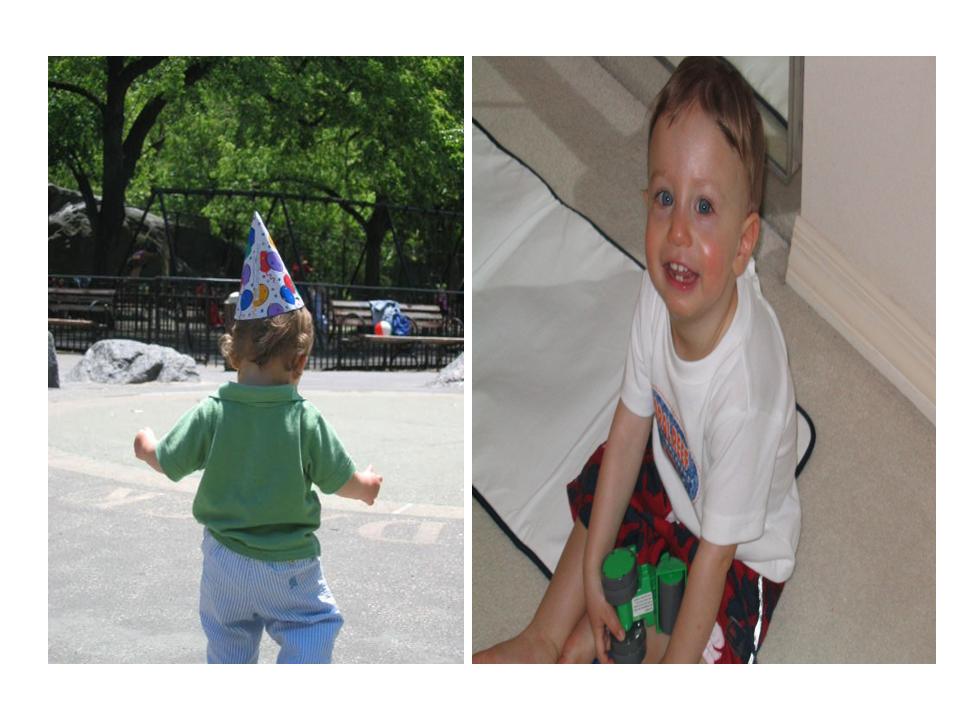
Social: - watches and imitates older children and adults, single actions
- responds to name
- loves to run away and get caught
Language: - 1-2 words plus “mama” and “dada”
- points at objects with index finger (first indicates want, soon after points for shared attention “look at what I am looking at”)
- understands simple requests, phrases and familiar objects
- imitates vocalizations
Fine Motor: - releases block into cup
- refined pincer grasp (thumb and tip of index finger)
Gross Motor: - takes few steps alone
- feeds self with hands
- drinks from a cup (not a sippy cup)
15 months 
Social: - starts imitating housework (sweeping, dusting)
- plays ball with examiner
- indicates wants with gesture
Language: - 3 words other than mama, dada.
- Follows simple commands (“give me your cup”)
- Talks to self while playing, understands function of objects, (pretends to talk on phone, brings comb to hair)
Fine Motor: - uses spoon (with spilling)
- starts scribbling
- tower of 2 blocks
Gross Motor: - stoops and recovers
- Walks with broad base, creeps up stairs
- Walks backwards
Did you know…? - It is important to have daily routines with consistent mealtimes and bedtime rituals
- Confrontations don’t work; avoid saying “no” to unwelcome behavior - instead use distraction and diversions
- Food fads (child eating only certain things) are common and harmless
- Self feeding is very important
18 months 
Pushing the Limits: toilet training, discipline (AAP policy statement), autism screening (links to resources), rapprochment Social: - Symbolic (pretend) play – e.g. feeding a doll
- Still imitating housework – likes to clean, put things in order.
- Loves the process of switching between opposites and changing their mind, such as filling/emptying; opening/closing; get up/get down; turning on and off lights
Language: - 6-10 words
- knows 5 body parts
Fine motor: - scribbles spontaneously
- self feeding with cup and spoon
- tower of 3-4 blocks
- turns pages 2-3 pages at a time
- removes some clothing
Gross motor: - climbing
- walks up stairs with help (2 feet per step)
- kicks ball by running into it
- throws ball overhead without falling
Did you know…? - Rapprochement occurs at this age (18-24 mos), due to increasing sense of separateness. Can rapidly alternate between extreme independence and extreme clinginess.
2 years Language Emerges Social: - parallel play (very excited by other children)
- put on at least one article of clothing
Language: - 2 word sentences (needs a verb)
- minimum 50 word vocabulary – need this to start combining words
- points to 6 body parts
- uses personal pronouns “I, me, mine”
- understandable by strangers 50% of the time
Gross Motor: - walks up and down stairs without help (two feet per step)
- kicks ball (draws back leg to kick ball instead of running into ball)
- jumps off bottom step (with hand held)
Fine Motor: - Copies vertical line (2.5 years)
- Turns doorknobs, unscrews lids
- Turns page one at a time
- Tower of 6-7 cubes
- Uses spoon well
Did you know…? - At this age, a child starts to learn if they are a boy or a girl
- A rich language environment is most important to language development. Bilingualism should not delay language development.
Link to gender identityLanguage Delay – ddx includes hearing loss, global DD, psychosocial deprivation, chronic illness, acute stressors, autism spectrum, elective mutism Link: http://familydoctor.org/online/famdocen/home/children/parents/special/common/442.html Bilingualism- children raised in bilingual households have a slight delay in expressive language up to about 2 years of age while they are learning to put the components of language together. After that, children are able to switch from one language to another in context and have a combined vocabulary that meets the usual expectations.
3 years 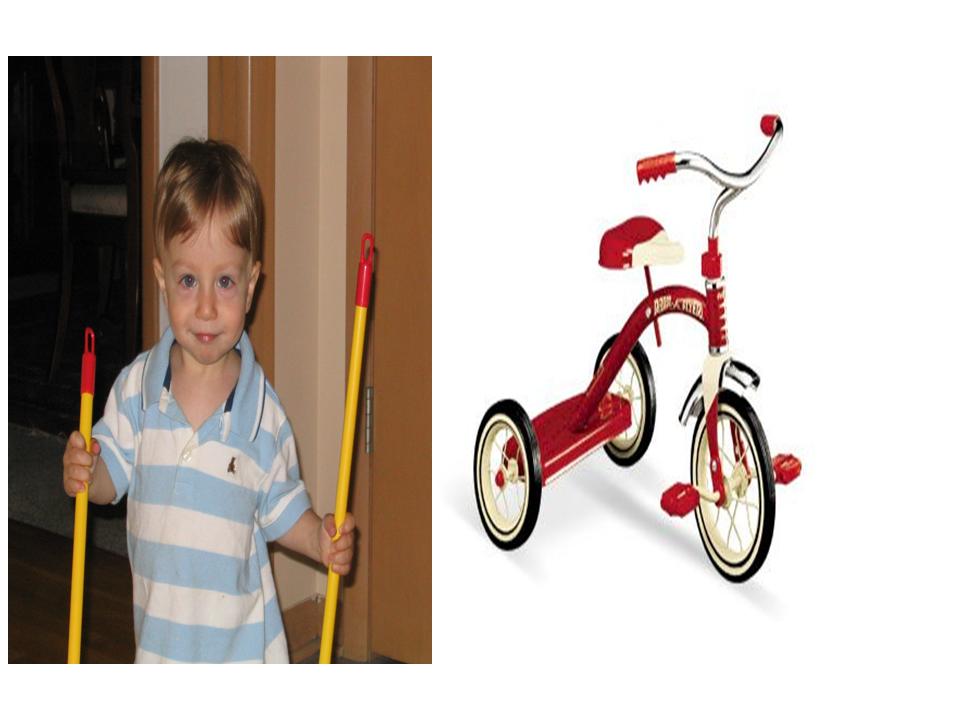 Social: - interactive play (has progressed from parallel play at earlier ages)
- fantasy play and role-playing (more complex with roles, costumes, props)
- knows full name, age, gender
- Undresses completely, dresses partially (needs help with buttons and correct shoe)
Language: - Can understand and tell simple stories
- 3 word phrases
- Minimum 250 words vocabulary
- Is understandable by strangers 75% of the time
- Names 2 colors
- Uses plural nouns
- Understands prepositions (“on,” “in,” “under”)
Fine Motor: - copies circle
- builds tower of 9-10 cubes
- can unbutton
- thumb wiggle
Gross Motor: - rides tricycle
- goes up stairs with alternating feet (down the stairs two feet on each step)
- balances on one foot 2 seconds
LINK TO: Emergence of Handedness LINK TO: Night Terrors
4 years Social: - learning concepts of “taking turns” and what is “fair” (not really sharing)
- tells “tall tales” (not lying, but reality testing not in place)
- oedipal phase: may have strong attachment to parent of the opposite sex
- gender identity further develops – knows expected, gender-specific behavior for play activities, toy preferences, language, and body posture
- sexual curiousity: this is the age of playing “house” and “doctor”
- understands the concept of “same” and “different” – starts to notice racial differences between people and develop expectations based upon them
Language: - speaks in 4-5 word sentences, can tell a story
- vocabulary is > 1000 words
- pretty much 100% intelligible to strangers but some hesitation is normal
- names 4 colors
Fine Motor: - copies cross
- copies square at 4.5 years
- can button
- draws person with 2-4 parts
Gross Motor: - goes up and down stairs with alternating feet
- can stand on 1 foot for 3-4 seconds
- hops on one foot
- running is well-controlled; can start, stop, and turn
5 years 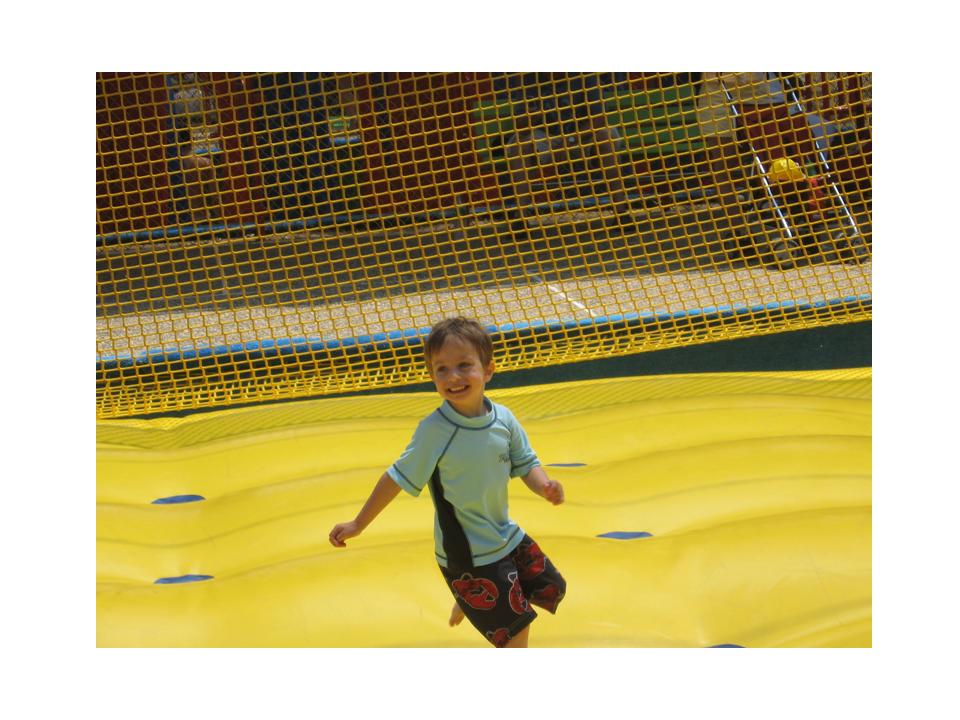
Social: - dresses and undresses self without help (except tying shoe laces, zippers)
- can be taught address, phone number, where mother and father work
- cooperative team play
Language: - can print some letters, including first name
Fine Motor: - draws person with 10 parts
- copies triangle
Gross Motor: - stands on one foot for 10 seconds
- skips with alternating feet
Link to: Dyslexia Information/Screening
|