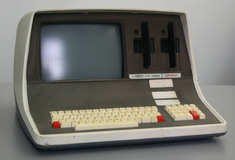
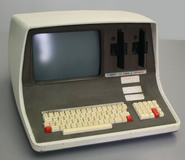
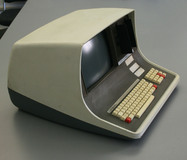
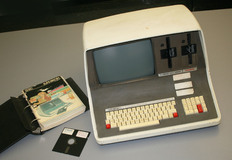
The Intertec Superbrain Microcomputer
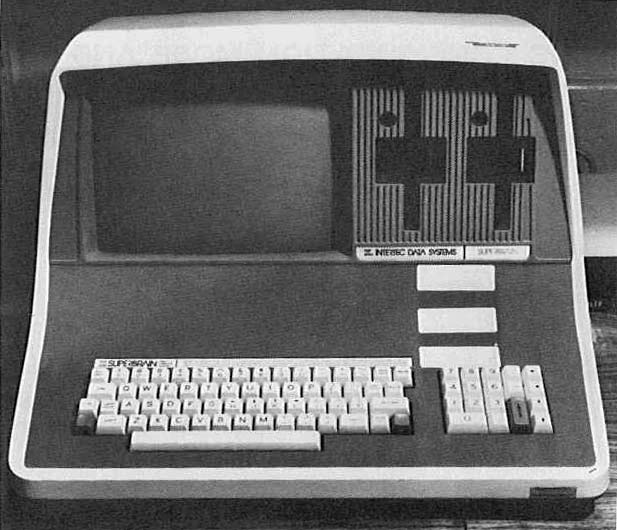
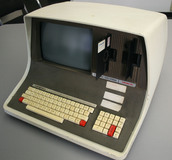
Construction:          Single unit
Microprocessors:       Two Zilog Z80s (CPU, I/O)
Word size:             8 bits
Execution time:        1.0 msec register to register
Machine instructions:  158
Interrupt mode:        Vectored and reserved
Disk drives:           Two 5.25" 180KB floppy drives
Memory:                32KB + 1K static RAM + 2K ROM
Screen:                12" diagonal 24x80 chars
Characters:            5x7 character matrix
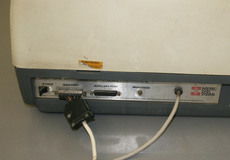
Serial interface:      Two RS-232 max speed = 9600bps
Character set:         ASCII (128 characters)
Software:              CP/M 2.2, 8080 assembler,
                        debugger, text editor, PIP
Weight:                45 pounds
Dimensions:            14.6" x 21.4" x 23.1"
 Date: 1981. Columbia's first microcomputer, maybe, if you don't count some
others that never went anywhere like the IBM 5100.
Options (that we didn't have) included memory expansion to 64K, a parallel
port, an S100 expansion bus adapter, Microsoft Basic-80, and Microsoft
Fortran-80. This is the user end of
the first Kermit
connection (1981): Superbrains were deployed in public areas, connected
to the Computer Center through the Gandalf
PACX RS-232 serial switch, allowing users to archive their DEC-20 and
IBM mainframe files to floppy disks and upload them again at a later time,
using Columbia's Kermit protocol on each end of the connection; the
Superbrain Kermit program also served as a
VT52 terminal
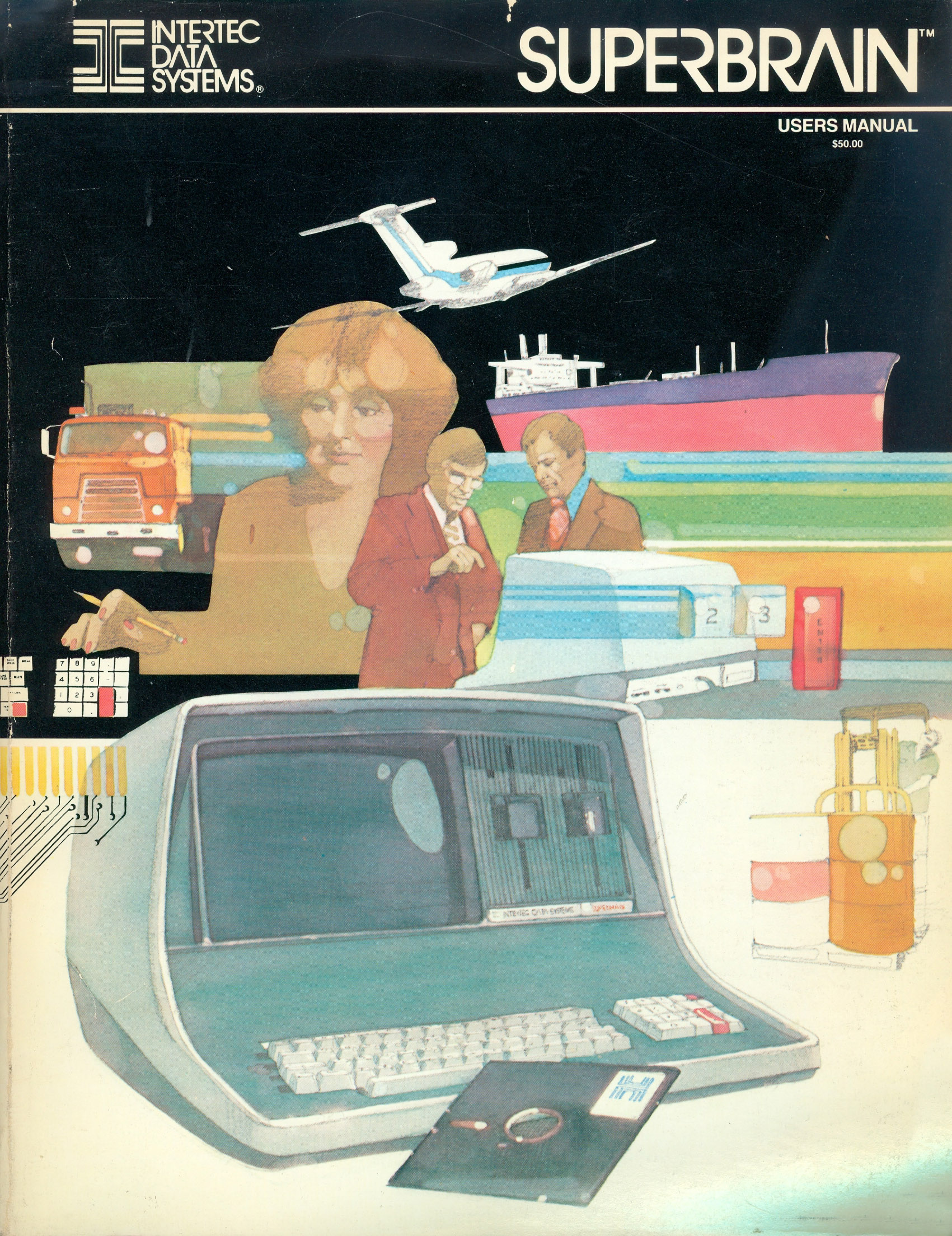
emulator. Reference: Intertec Data Systems Inc, SUPERBRAIN Users
Manual, Columbia SC, September 1980.
Date: 1981. Columbia's first microcomputer, maybe, if you don't count some
others that never went anywhere like the IBM 5100.
Options (that we didn't have) included memory expansion to 64K, a parallel
port, an S100 expansion bus adapter, Microsoft Basic-80, and Microsoft
Fortran-80. This is the user end of
the first Kermit
connection (1981): Superbrains were deployed in public areas, connected
to the Computer Center through the Gandalf
PACX RS-232 serial switch, allowing users to archive their DEC-20 and
IBM mainframe files to floppy disks and upload them again at a later time,
using Columbia's Kermit protocol on each end of the connection; the
Superbrain Kermit program also served as a
VT52 terminal
emulator. Reference: Intertec Data Systems Inc, SUPERBRAIN Users
Manual, Columbia SC, September 1980.
CLICK HERE for some offsite color photos.
30th Anniversary of First Kermit File Transfer 29 April 2011
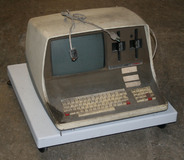
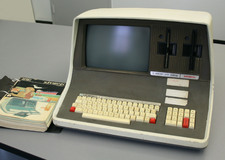
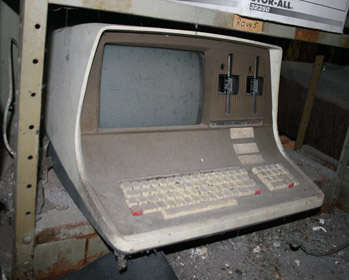 Kermit started out as a project to make this microcomputer, an Intertec
"Superbrain" CP/M-80 system with two 5¼-inch floppy diskettes and
32K of memory, act as a terminal to, and transfer files with, Columbia
University's central DEC and IBM mainframe computers. The first successful
file transfer took place on April 29, 1981. Shortly thereafter, Columbia
students had access to Superbrains for getting their files off the
mainframes and onto floppies, and from the floppies back to the mainframes.
The reason this was necessary is described here. After the Superbrains were retired some
years later, two of them were put in the Watson Lab
basement, which is not exactly a "clean room". One of them was brought back
to life in 1991 for the final release of CP/M-80 Kermit, and then
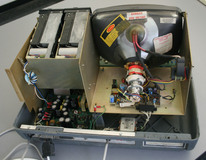
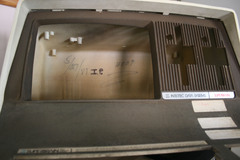
returned. In the ensuing 20 years it has partially disintegrated, even though
it was wrapped in plastic. The other was in much worse shape and was
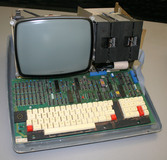
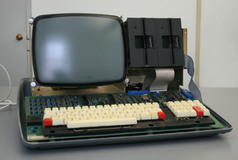
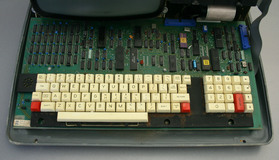
discarded several years ago. The one shown here
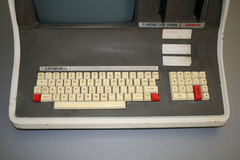
is the same as the one at the top of the page, you can tell by the stickers
over the numeric keypad. Click for a larger view.
Kermit started out as a project to make this microcomputer, an Intertec
"Superbrain" CP/M-80 system with two 5¼-inch floppy diskettes and
32K of memory, act as a terminal to, and transfer files with, Columbia
University's central DEC and IBM mainframe computers. The first successful
file transfer took place on April 29, 1981. Shortly thereafter, Columbia
students had access to Superbrains for getting their files off the
mainframes and onto floppies, and from the floppies back to the mainframes.
The reason this was necessary is described here. After the Superbrains were retired some
years later, two of them were put in the Watson Lab
basement, which is not exactly a "clean room". One of them was brought back
to life in 1991 for the final release of CP/M-80 Kermit, and then
returned. In the ensuing 20 years it has partially disintegrated, even though
it was wrapped in plastic. The other was in much worse shape and was
discarded several years ago. The one shown here
is the same as the one at the top of the page, you can tell by the stickers
over the numeric keypad. Click for a larger view.