Abstract:
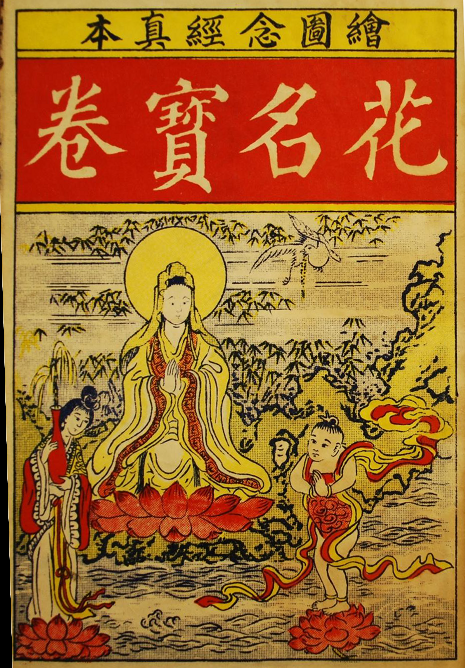
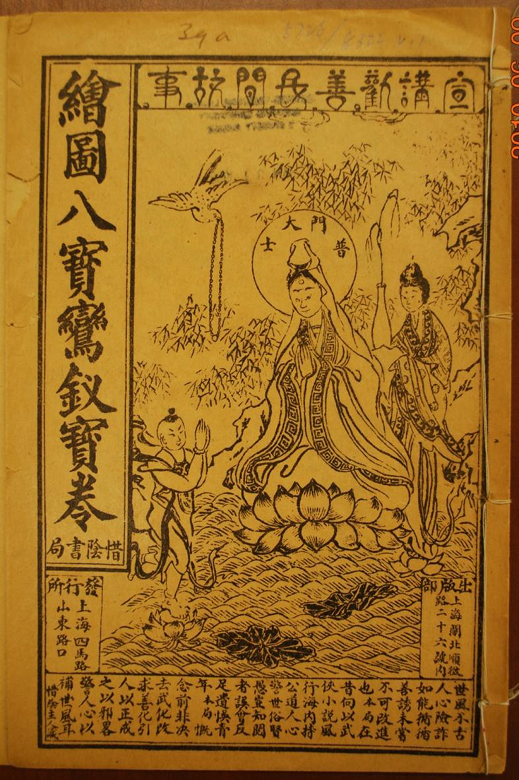
In the period between 1911 and 1940, a considerable number of baojuan (precious
scrolls), the texts with primarily religious contents originally intended for oral presentation, was
printed in Shanghai and adjacent areas. Baojuan were often printed with the use of modern print
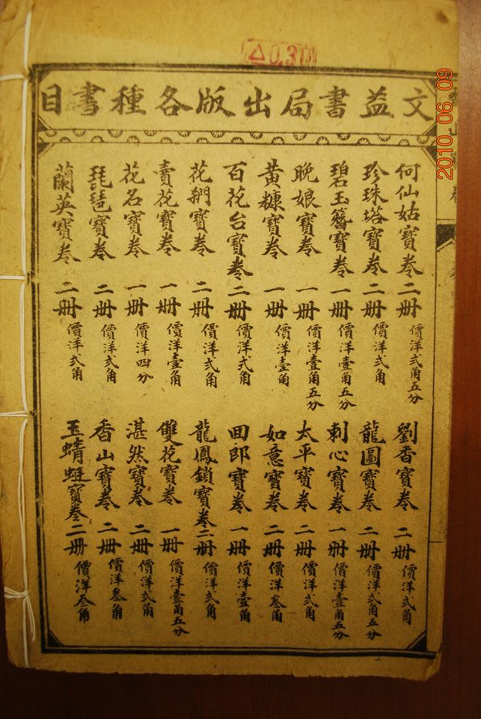
technologies: lithographic and typeset press. The lithographic and typeset publishers specializing
in baojuan printing appeared at that time. These publishers also were engaged in collecting and
editing the baojuan texts as well as in retailing their print production.
Looking at several cases of baojuan publishing, this paper explores the special features of
this print production, especially in connection with the new trends in the work publishers and the
ways of consumption of baojuan editions. Due to the paucity of materials, the paper makes use
mainly of the information in the original editions of baojuan, which the author studied in
collections of baojuan editions in several countries.
|