POSTBAC NEWS

February 1, 2010

Postbac Premed Students Raise $1,400 for Haitian Relief Efforts
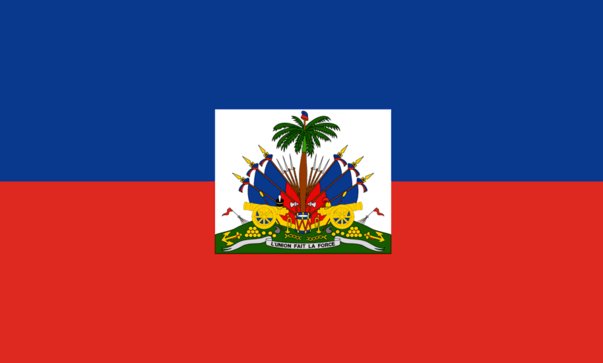

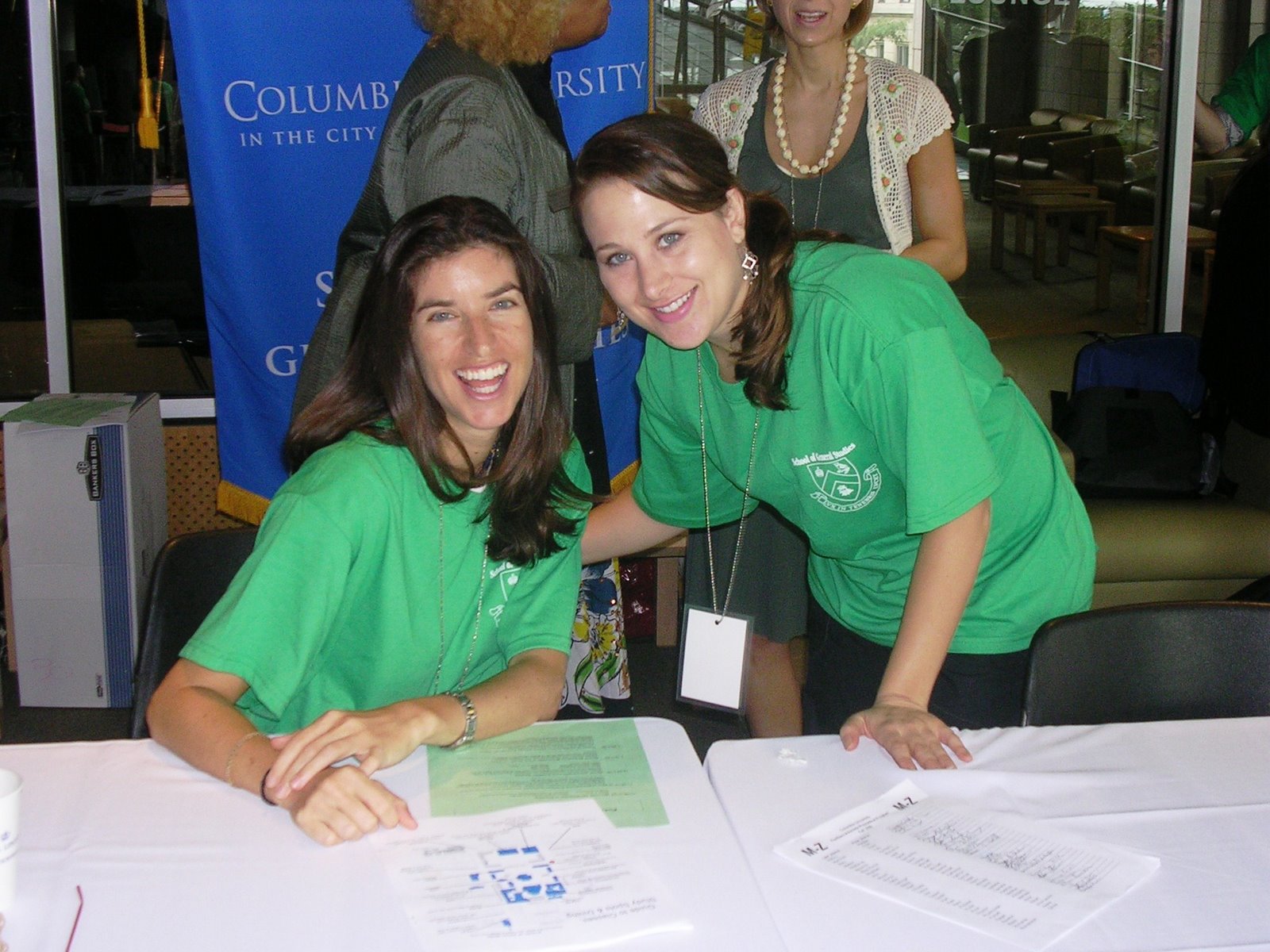
More than $1,400 for earthquake relief was raised by 150 students at the Postbac Afterparty Haiti Fundraiser at Crocodile Lounge on January 23 at 11 p.m. The money raised will be matched and donated to Doctors Without Borders on behalf of the Premedical Association and Social Justice Medicine. PMA officer Michael Sookochoff, an Ontario native, will submit the donation on behalf of the PMA and SJM to the Government of Canada, which has pledged to match up to $50 million of all private donations from its citizens when they donate to registered charities and organizations working toward the earthquake relief effort in Haiti.

According to Kevin Paik, president of Social Justice Medicine, the Postbac student groups decided to donate to Doctors Without Borders because of the organization's alignment with both medical and social justice outreach.

"There are a lot of worthy organizations out there who have been hard at work in Haiti since the earthquake, and whose efforts will certainly continue over the upcoming months, even years. But in the end, we wanted to donate to a group that reflected the core nature of Postbacs as budding physicians, and Doctors Without Borders was a perfect fit," Paik said.

In addition to the Haiti fundraiser, Social Justice Medicine will continue to assist with Haitian relief efforts through outreach with Doc to Dock, a nonprofit organization that collects the unused medical supplies from New York hospitals and ships them to hospitals and clinics in Africa. According to their website, Doc to Dock, in partnership with Flex Jet and Partners in Health, already shipped almost 2,000 pounds of medical supplies to Cange, Haiti.

For more information on upcoming activities organized by Social Justice Medicine, please visit http://www.columbiasjm.blogspot.com.

For more information on upcoming activities organized by the Premedical Association, please email [email protected].

Read more ...
December 15, 2009

Preveterinary Student Helps Restore Sea Turtle Population


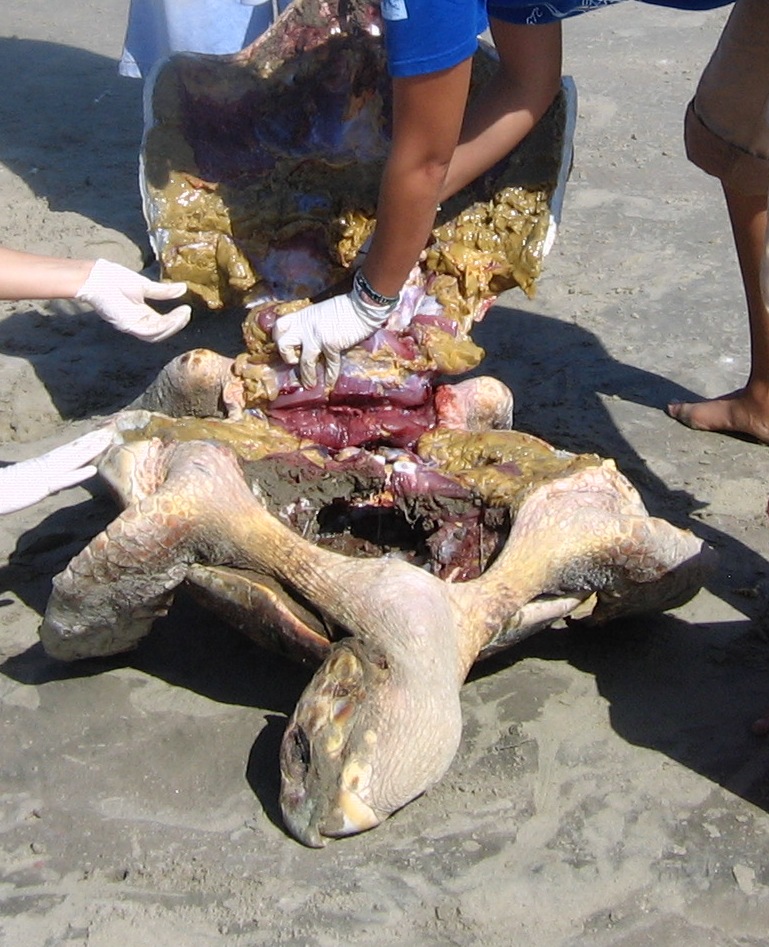
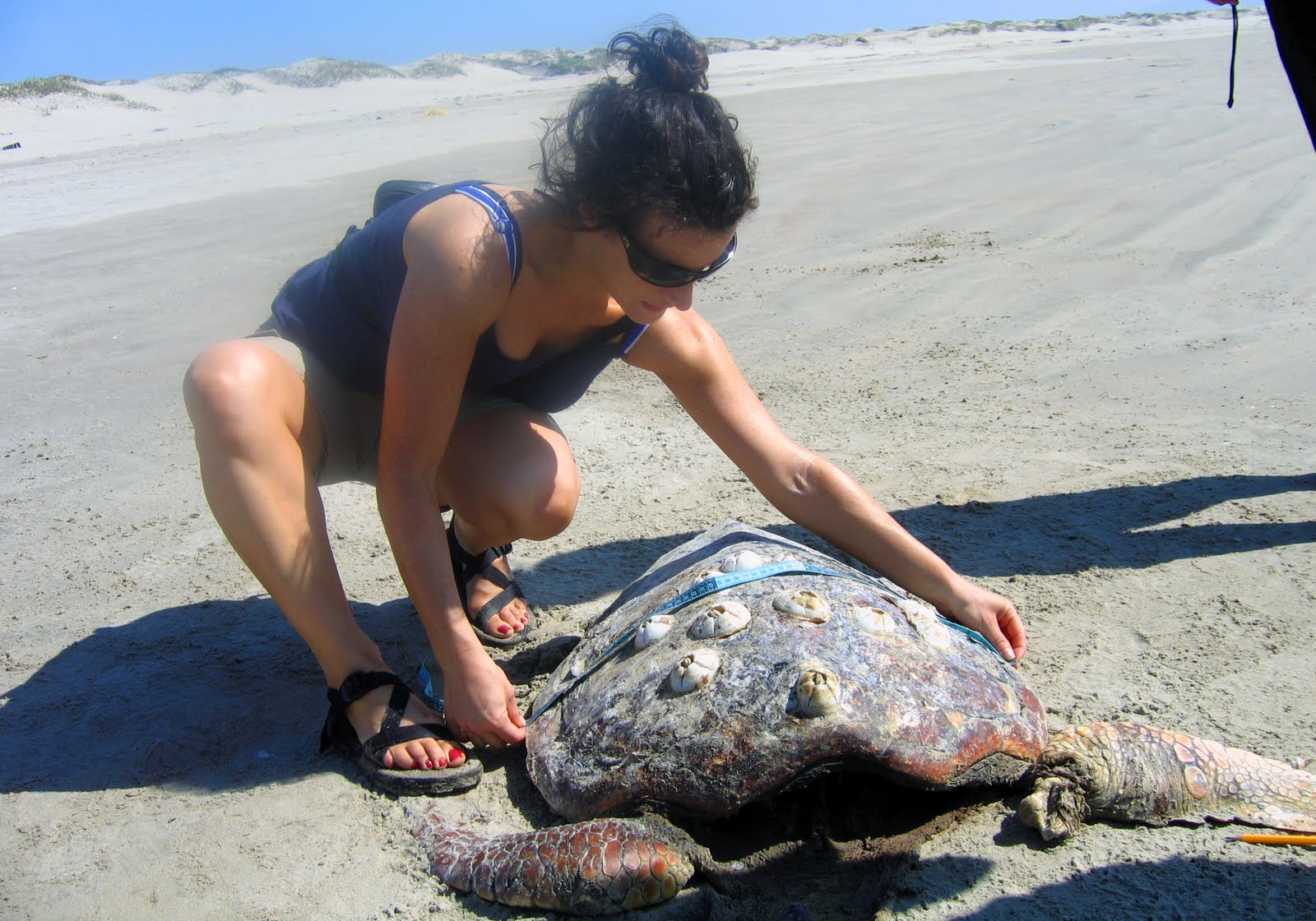
Postbaccalaureate Premedical student Lisa Terezakis spent the summer of 2009 dedicated to her new passion—restoring the endangered population of the Loggerhead turtle in Mexico.

Working alongside a team of ecologists, biologists, community members, fishermen and community organizers, Terezakis learned about the importance of the dialogue with community members in order to impact an endangered population. According to Terezakis, however, simply seeing wildlife in their natural habitat was enough to make her summer internship worthwhile.

“The experience was incredible. During beach patrols for mammal strandings, I took regular trips to an unpopulated island where I observed sea lions playing in the waves. We slept under the stars on top of a mountain overlooking the Pacific Ocean; it was life-changing” Terezakis said.

Terezakis learned about the project while enrolled in Columbia professor Dr. Alonso Aguirre’s Disease Ecology and Conservation class. Aguirre, the senior vice president for the Wildlife Trust’s Conservation Medicine Program, told Terezakis about his work with the project, which included the study of sea mammal strandings and maintaining the health of the Loggerhead sea turtle population through physical exams, blood sample collection and skin biopsies. Terezakis swiftly signed-on.


Despite the joy she experienced in her internship, the harsh reality of the threats against the loggerhead population quickly emerged.

“The worst part of the trip was performing a necropsy on a young (turtles can live upwards of 30 years), healthy Loggerhead turtle who was ready to make her first trip to Japan to lay eggs; she drowned in a fishing net,” Terezakis said.

In the face of the project’s challenges, Terezakis explains that she feels empowered, not discouraged.

“We are at a key junction in animal, public and environmental health. Each impacts and is vulnerable to the other. In order to address any one aspect, a collaborative and transdisciplinary approach is essential among veterinarians and other scientists, and I am excited to work in a broader capacity which involves collaboration among community members, public health, and ecology specialists,” Terezakis said.

----------------------------------------------------------------------------------
Prior to enrolling in the Postbac Premed Program, Lisa Terezakis attended the University of Connecticut where she studied anthropology and French. Terezakis worked as an Off-Broadway, film and television actress as well as a personal fitness instructor, but eventually realized her volunteer work became more important to her than her professional pursuits. Terezakis is currently applying to veterinary medical schools.

Read more ...

May 27, 2009

Postbac Premed Students Celebrate at Certificate Ceremony


More than 90 students were recognized as candidates for and recipients of the Certificate in Premedical Sciences at the Postbaccalaureate Premedical Program’s Premedical Sciences Certificate Ceremony on May 15 in Low Memorial Library Rotunda.

Honorees and their guests were formally welcomed by School of General Studies Dean Peter J. Awn.

The welcome was followed by the keynote address given by Robert Marion, MD, director of admissions and professor of pediatrics, obstetrics, gynecology and Women's health at Albert Einstein College of Medicine. Marion playfully advised students on the dos and don'ts of a medical school interview.

The keynote address was followed by a presentation of certificate candidates and alumni pins, in which Postbac Premed students were recognized for the completion of their premedical coursework.

A highlight of the ceremony was the student address entitled, "What Color is your Coat?" given by Shekinah Elmore, a former public health professional turned premedical student. Elmore playfully spoke about the difference of between public health advocates and doctors through the choice of the color of their coats-colorful versus white.

Andrew Sunshine, director of the Postbaccalaureate Premedical Program and Associate Dean of Students, closed the ceremony thanking all those who supported Postbac students throughout their tenure at Columbia University.

To view more photos from the ceremony, visit http://www.flickr.com/photos/columbiags/sets/72157618914051998.

Read more ...

May 18, 2009

Humanity at Stake


Abraham Young '07, Postbaccalaureate Premedical alumnus, recently released a book
entitled, China's Aggression, Taiwan's Democracy, and 23 Million Citizens' Human Right to Self-Determination.

Young’s book exposes China’s threat to human rights and reviews the misconceptions about Taiwan. Set in a bookstore, Humanity at Stake follows a real-life conversation between three young men who are American, Chinese, and Taiwanese. The dialogue highlights beliefs about the tumultuous relationship between China and Taiwan held by each of the young men.

Humanity at Stake
is Young’s first book, and its publishing is part of a larger effort to further The Humanity at Stake Project, an organization whose mission is “to stand against China’s missiles, and to stand with Taiwan’s democracy and self-determination.”

According to Young, “the book has led to a grassroots campaign to educate and mobilize the American public about the Taiwan cause.” Humanity at Stake is available for purchase online through Amazon and on the book’s website, HumanityAtStake.com. One dollar of
every purchase will be donated to Human Rights Watch, a nonprofit organization dedicated to protecting human rights worldwide.

Young wrote his book during his glide year in the Postbaccalaureate Premedical Program, and he is currently a first–year medical student at SUNY Downstate College of Medicine.

From the GS Alumni Magazine,The Owl
To read The Owl, visit http://www.alumni.gs.columbia.edu/owlnet/Owl_2009.pdf.

Read more ...

Hell in Paradise


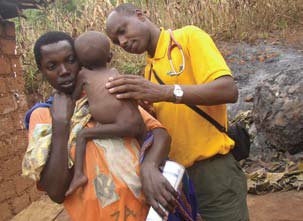
“Hell in paradise” is Deo Niyizonkiza’s description of his home country of Burundi,
which was named the world’s poorest country by the World Bank in 2006.

A place of striking natural beauty, Burundi has endured colonization, decades of misrule by dictators, and, most recently, a 13-year civil war between Hutus and Tutsis that, by its conclusion, had resulted in over 300,000 deaths and the displacement of nearly a million Burundians. The war also had disastrous effects for the country’s economy, and over half of the population now lives on less than a dollar a day. According to the World Health Organization’s latest figures,
the average life expectancy for a woman is 47; for a man, 42.

Following the 2006 ceasefire, however, a few bright spots have emerged—perhaps none
more encouraging than Village Health Works, a health center that Deo founded in his hometown, the rural village of Kigutu, in 2005. When he left 11 years earlier, fleeing the civil war, Deo had no idea if he would ever return, or see his family again.

“We were separated when the war started,” he says. “I had no idea where
they were. It’s one of those situations where it’s every man for himself. The people with me, we were all just running away.”

Deo found his way to New York via Rwanda and Paris and wound up homeless on the streets of Harlem. Through the intercession of some new friends a family adopted him
as a surrogate son, and he worked a series of odd jobs and delivered groceries to chip in.

“Working 15 hours a day, or even being homeless, I didn’t feel that it was that bad,
given what I had just come from,” he says.

In his spare time he studied English and eventually enrolled in Columbia’s American Language Program before applying to the School of General Studies. At GS he majored
in philosophy and took premed courses. After graduation, he attended the Harvard School of Public Health, where he connected with Dr. Paul Farmer, one of the founders of Partners in Health, a public health organization known for its community-based approach. Deo began to work with Partners in Health in
Haiti and, later, Rwanda, Burundi’s northern neighbor.

“I was the only person in the group who knew the language and culture, and how to talk to patients and bring them to the clinic,” he says.

It was during a trip across the border to visit his family that the seed for Village Health Works was planted.

“I knew that the country was miserable but had no idea that it was so bad,” he says. “It deeply affected me.”

Citing a 2005 World Health Organization report, Deo notes that the total expenditure on health in Burundi is only 3 percent of its GDP, which in 2004 amounted to less than $20 per person. On average there is one doctor for every 34,000 inhabitants (the U.S. figure is 192 for the same number of citizens), and most hospitals lack even the most rudimentary equipment; many have even become de facto prisons, where armed guards detain patients unable to pay their medical bills—a direct result,
Deo argues, of the user-fee policies set by the World Bank and International Monetary
Fund, which require countries accepting their aid to charge even their poorest citizens for services like health and education. As a result it is not surprising that many impoverished Burundians turn to traditional folk medicine practitioners, who rarely alleviate and often exacerbate their conditions.

Clearly a new model was needed. After consultation with Dr. Farmer and his colleagues
at Partners in Health, Deo founded Village Health Works, foregrounding the idea of community partnership in the center’s name. Three years later, the center is an unqualified success, treating more than 16,000 patients in just its first nine months.

Twenty-two local women sit on a steering committee, and a group of former soldiers are building roads and bridges to connect the center to the rest of the country; after observing Village Health Works, Dr. Farmer, recipient of a Macarthur “genius grant” and the Conrad Hilton Humanitarian Prize, found “an unparalleled level of community participation.”

Of course much still remains to be done. Already demand for services outstrips the
center’s capabilities: maternity and pediatric wards are sorely needed, as is an ambulance. Deo hopes to be able to expand the center into a full-fledged hospital and splits his time between Burundi and the United States, where he raises funds and works to forge connections with universities and other institutions. But Village Health Works—which some Burundians refer to, only half in jest, as "America"—has already brought a new spirit of hope to the country.

For so many children born during the war, all they know is misery, pain, and blood," Deo says. "It’s such a wonderful thing to see people kept apart for so long because of ethnic divisions coming together. Burundi is a place where there’s been no shortage of war, no shortage of misery—but it’s a perfect place where people who really want to do good can make a huge positive and lasting impact."

From the GS Alumni Magazine,The Owl
To read The Owl, visit http://www.alumni.gs.columbia.edu/owlnet/Owl_2009.pdf.

Read more ...

Ben Robison: Acts on Facts

Postbaccalaureate Premedical Program student Benjamin Robison, along with his collaborators Josephine Dorado and Hugo Berkeley, was granted a $72,000 John D. and Catherine T. MacArthur Foundation Knowledge Networking Award in March 2008.

Robison is using the grant, awarded as a part of the first-ever Digital Media and Learning Competition, to develop a web application that matches news stories with opportunities for social activism and community service called, “Fractor: Act on Facts.” “Facts” and “Acts” will be organized on a single page where every
news story is linked to real-world actions that users can pursue.

Since last March, attorney David Miller has been working with Robison pro bono, as a part of the Lawyers Alliance, to assist in the 501(c)(3) process of incorporating
“Fractor: Act on Facts.” By next year, Robison is confident Fractor will provide a positive outlet for response to both daily events and major news, like natural disasters or wartime conflicts.

“I think people genuinely want to help others, and Fractor gives them a simple tool to do so. This empowerment helps create communities centered on giving and hope. Our goal is that the website will become a marketplace for citizens and nonprofits who seek to meet community needs,” Robison said.

Robison’s idea for “Fractor: Act on Facts” formed after the Sept. 11 attacks, when he became more civically active.

“I was invited to a U.N. Millennium Development Goals conference along with congressional leaders, youth organizers, and high school students. Through the discussion of international needs, it struck me that it was one thing to expose people to what’s going on in the world, but another thing to give them a way to feed
into the system, to interact,” Robison said.

“Fractor: Act on Facts” is just one example of Robison’s commitment to altruistic endeavors. In 2001, as a classical violinist and doctoral student in musical arts, Robison founded the Musicians’ Alliance for Peace, which has sponsored more than 350 charity concerts in 30 countries. A number of concerts raised money for hospitals, which contributed to his decision to apply to and enroll in the Postbaccalaureate Premedical Program. He decided to take his successes using music for community outreach and apply them to understanding how he could physically heal people.

“I am very interested in human creativity and its positive impact on individual and community health. Creativity through music has positively motivated me for the past 30 years, and now I am looking forward to learning about how the human body’s
biological response to creativity can heal,” Robison said.

From the GS Alumni Magazine,The Owl
To read The Owl, visit http://www.alumni.gs.columbia.edu/owlnet/Owl_2009.pdf.

Read more ...

Conquering the O Factor


Postbaccalaureate Premedical Program alumnus Jeffrey Oestreicher spent his lag year producing Dr. Oz’s “Oprah and Friends” show in addition to writing and researching for Dr. Oz’s appearances on the “Oprah Winfrey Show.” Oestreicher will attend the College of Physicians and Surgeons at Columbia University in the fall.

Why did you decide to study medicine after completing a degree in political science? What led up to this decision?
I always felt medicine was ultimately where I would end up when I graduated from college. There were, however, a handful of other things I was interested in, and I wasn't ready to commit my life to any one single thing such as medicine.

I loved history and politics, and my first job post-college was researching for a series on the History Channel. My second job was working for a congressman in Washington, D.C. around the time of the 2004 Presidential Campaign. My boss was kind enough to help me get a job on John Kerry's campaign, which was one of the greatest experiences I've ever had. When Kerry lost, however, I enjoyed reading about politics more than working in it.

After having had the chance to do a lot of the things I wanted to, I felt ready to go to medical school.

Why did you choose Columbia University's Postbaccalaureate Premedical Program? How has it helped prepare you for what's ahead?
I wanted to live in New York City, and Columbia's Postbac Program had the best reputation in the country. After visiting the campus and speaking with current students, I learned the Postbac Program was the oldest program of its kind and by all accounts prepared you extremely well for med school. A handful of Postbac alumni even told me that the first two years of med school were significantly easier for them than some of their classmates because the second year of biology covers an entire year of biochemistry, which is unique to Columbia.


How did you attain the position working for Dr. Oz?
I received a forwarded email from one of the Postbac advisors advertising a producer position for Dr. Oz. They were looking for a writer with a deep interest in science and medicine. I vividly remember getting the email at 11 p.m. on a Sunday night and writing him a letter that same night explaining how I worked as a writer before starting the Postbac Program and hoped to pursue medicine.

The job appealed to me because it combined writing, which I loved to do, with wellness, medicine and public health; areas I hoped to pursue in the future. Everything happened very quickly. I met him the following Friday, and I was hired the next week.

Describe your role working for Dr. Oz.
I am employed by Harpo, Oprah Winfrey’s production company, and I produce Dr. Oz’s “Oprah and Friends” show in addition to writing and researching for Dr. Oz’s appearances on the “Oprah Winfrey Show.”

I read and write a lot; I scour newspapers, medical journals and book reviews looking for people with important and fascinating new ideas and insights into wellness, medicine, science, healing, etc. After deciding on a particular guest, I help Dr. Oz prepare for the show by distilling ideas and insights in ways that make it easier for the audience to incorporate new ideas and practices into their own lives. We love these actionable items, things someone can implement into his or her own life after turning off the show such as a new food, a new approach to thinking about spirituality, an exam they request from their doctor, or a new mind-body practice like tai chi, for example.

What is something interesting about your position people may not realize?
I get at least 10 new medical or science books a week in the mail to review. Additionally, people are always pitching me, some a bit crazier than others. Like the guy who founded a new principle of quantum physics that he claimed could instantly solve the world’s pollution problem.

What was your favorite project you worked on for Dr. Oz?
One of my favorites was about bringing "global medicine" to America, where we searched the world for indigenous healing modalities that might enhance health and prevent illness. The research for these shows was fascinating; I met with Peruvian Shamans, medicinal plant and herb hunters in the Amazon, South African healers, or Sangomas, and traditional Chinese medicine doctors. We searched every corner of the world for secrets.

One of my favorites is Rhodiola rosea, a plant that Siberians have been drinking with vodka for thousands of years. It's kind of a natural energy drink that might also boost immune function and brain function; Siberians say that it enhances sexual function.

Aside from producing the show, to which events did you accompany Dr. Oz?
I loved going to some book-tour stops with him when his last book came out. It was fun to meet some of the Oprah/Oz audience. An older woman approached me at one event to say her husband and two sons refused prostate screenings until all three learned from an Oprah show that prostate cancer is nearly 100 percent survivable if detected early. I don’t know if it was the prostate exam discussion or the image I had of three men watching Oprah together, but for some reason that’s a vivid memory of mine.

Additionally, very frequently you can find an organization honoring Dr. Oz for the work that he’s doing. I've had a lot of fun at these events because they are usually a collection of very interesting people intensely engaged with changing the world in some capacity. Plus, there is usually amazing food.

Is Dr. Oz someone you look-up to? Will you still stay in contact with him while studying at Columbia?
I can't overstate the respect and admiration I have for him as a person, and his mission to empower people around the country to be their best health advocates. I feel very lucky to be a part of it. He has more energy and passion than anyone I've ever met, I mean that very literally. But he's also so kind and decent, someone you just love to be around.

I sincerely hope to stay in touch with him, and I’m excited that we'll be at Columbia together. I think he'll even give some cardiothoracic lectures to my class.

-----------------------------------------------------------
For more information on Jeffery Oestreicher’s experience as a Postbac student or as a producer for Dr. Oz, please email him at [email protected].

From the GS Alumni Magazine,The Owl
To read The Owl, visit http://www.alumni.gs.columbia.edu/owlnet/Owl_2009.pdf.

Read more ...

October 16, 2008

Alumna Awarded National Health Service Corps Scholarship


Postbac alumna Kim Neroda was recently awarded the U.S. Department of Health and Human Services' National Health Service Corps Scholarship, which provides a stipend and full tuition benefits for four years of medical school. In exchange for the National Health Service Corps' support, Neroda will serve a community in the United States designated as a health professional shortage area for four years.

When asked why she decided to apply for the scholarship, Neroda said:

"I've always been very interested in health disparities and committed to working with the underserved; it's part of the reason I want to be a doctor. I have served internationally as a Peace Corps volunteer and in the public health arena, but I'm just as interested in health issues here at home. Like Peace Corps, I see service as an NHSC scholar as a chance to become part of a community that may be very different from where I grew up."

Neroda, who received her Certificate in Premedical Sciences from the Postbac Premed Program in 2007, is attending Emory University School of Medicine.

For more information about the scholarship, visit the National Health Service Corps website.

Read more ...

August 29, 2008

Postbac Program Welcomes 175 Students


While many students were enjoying their last week of vacation from classes, the Postbaccalaureate Premedical Program welcomed more than 175 students at the New Student Orientation, which began August 25.
Held in Lerner Hall, Postbac students were officially welcomed by GS Dean Peter Awn and Director of the Postbac Program Andrew Sunshine and attended group advising sessions with Postbac advisors.

This year's Postbac Orientation was integrated in to the campus-wide New Student Orientation Program, allowing students not only to participate in Postbac-sponsored orientation sessions, but also attend sessions co-sponsored by Columbia's three other undergraduate colleges. Evening events like the after-hours gathering at the Metropolitan Museum of Art allowed GS students to get acquainted with other Columbia undergraduates with whom they will be sharing the classroom.

Read more ...

July 1, 2008

Digging Deeper


Postbaccalaureate Premedical Program alumna Kathryn Haas was recently awarded the Army’s Health Professions Scholarship and commissioned as a Second Lieutenant in the U.S. Army Reserve. According to GoArmy.com, the Health Professions Scholarship provides a full tuition waiver for a graduate-level health care degree at any accredited medical, dental, veterinary, psychology or optometry program in the United States or Puerto Rico.

Prior to exploring her interest in medicine, Haas earned a Bachelor of Arts in English from Brown University.

What led up to your decision to pursue medicine?
After college, I was at a point in my life where I was going to be promoted in a job that I did not envision as a part of my career path. I was interested in science coursework during high school, but stayed away from it in college. I decided it was time to do some serious soul searching of my strengths, weaknesses, likes, and dislikes.

What ultimately led to my decision was a congressional staff delegation trip to Fort Riley, Kansas where I spent a weekend with the Reserves, many of whom were medics. During the trip, I trained on their obstacle course, toured mobile operating rooms and met with army nurses and physicians. I was inspired by their work, and thought it would be a privilege to help others safeguard their health.

Why did you choose the Postbaccalaureate Premedical Program of Columbia University?
In my mind, Columbia University is the gold standard for this type of program. It's also hard to ignore the facts. The Postbaccalaureate Premedical Program is the oldest and largest of its kind with a top rated faculty. Additionally, I heard about the great Postbac community, which was and is important to me because it’s important to have people around who understand what you're doing and why you're doing it. The program has a 90 percent acceptance rate into medical school for those who have committee support.

Did you always intend to serve your country?
Absolutely not in this way. I was raised with a sense of duty and obligation for good citizenship, but no military influences were present until my adult life.

I was working on Capitol Hill for Senator Chuck Hagel who, as a member of the Senate Foreign Relations Committee, spoke often about the war and America's stance in the world. I realized the most my life had changed since 9/11 and since our country had gone to war was that I had to take off my shoes at the airport. I thought I could do more, dig deeper.

I wound up speaking with military recruiters in New York City, but I was too scared to commit. During my lag year of the Postbac Program, however, I contacted a military recruiter and was invited to Madigan Army Medical Center at Fort Lewis in Washington. I met with the Medical
Officers there and toured the facilities.

After the trip, I sought guidance from my parents and learned about my grandfather’s service as a Navy Surgeon on a hospital ship in World War II. Initially, my grandfather was prevented from enlisting because of a medical issue. He had surgery to have the issue corrected in order to be reconsidered for the service. Learning about my grandfather made it pretty easy for me to commit to four years of active duty, and I am excited for the challenge!

Tell me about your relationship with U.S. Senator Chuck Hagel of Nebraska.
I worked for Senator Hagel for 21 months as his personal assistant and his scheduler. Senator Hagel is someone who, in my mind, lives an example of integrity, accountability, and competence.

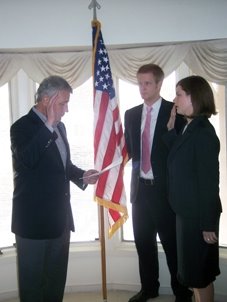
When I was selected to be commissioned, I invited Senator Hagel to administer the oath of office to me. On a trip to Nebraska, he came to my parents’ house for my commissioning ceremony. All five of my siblings were present, which made the ceremony all the more special.

Where will you be living and going to school while serving in the U.S. Army Reserve?
I will be attending Loyola University Chicago Stritch School of Medicine. The Army’s Health Professions Scholarship allows me to attend medical school anywhere I’ve been accepted in the U.S.

During the summers, I have a six week Reserve obligation. Next summer, I'll attend the Officer Basic Leadership Course near San Antonio, Texas. The following two summers I will have the opportunity to work in an Army hospital.

How do you feel about being awarded the Army’s Health Professions Scholarship?
I am overcome. I am honored and proud. I feel like I have a very high privilege to be someone who will one day care for our soldiers and their families.


For more information about the Army’s Health Professions Scholarship, visit http://www.goarmy.com/amedd/hpsp.jsp.

Read more ...

June 26, 2008

Andrew Sunshine Appointed Director of Postbaccalaureate Premedical Program


Associate Dean Andrew Sunshine has been appointed Director of the Postbaccalaureate Premedical Program. He succeeds Dean of Students and Associate Dean of Faculty Mary McGee, who is leaving to become Dean of Alfred University.

Associate Dean Sunshine has earned four degrees at Columbia: a B.A. from Columbia College, and subsequently an M.A., M.Phil., and Ph.D. from the Graduate School of Arts and Sciences. An advisor in the Postbac Program since February 2003, he previously served as Assistant Dean of Students at The Fu Foundation School of Engineering & Applied Science and Columbia College for eight and a half years.

Read more ...

June 19, 2008

Class of 2008 Celebrated at Certificate Ceremony

More than 90 students were recognized as candidates for and recipients of the Certificate in Premedical Sciences at the Postbaccalaureate Premedical Program’s Premedical Sciences Certificate Ceremony on May 16 in Low Memorial Library Rotunda.

Honorees and their guests were formally welcomed by GS Dean Peter J. Awn who also introduced the keynote speaker. The keynote address, entitled “Linear, Circular, Random,” was given by James Valentini, chairman and director of undergraduate studies and professor in the Columbia University Department of Chemistry.

The keynote address was followed by a presentation by the Premedical Association officers who recognized many faculty members in the biology and chemistry departments for their support and encouragement throughout the duration of the Postbac program.

A highlight of the ceremony was the student address given by Peter Smith, a former actor turned aspiring physician. Smith playfully roasted Deborah Mowshowitz, associate professor and director of undergraduate programs and lab operations in the Columbia University Department of Biology. He recalled a “Mowshism,” which he described as “the joys of boiling lead over a crock pot…”

Next, Andrew Sunshine, associate dean of the Postbaccalaureate Premedical Program, recognized postbac alumni from 2007 for their acceptances to such medical schools as Brown University, Columbia University, Mount Sinai School of Medicine, University of California Los Angeles, University of California San Francisco, University of Pennsylvania, Washington University and Yale University.

Upon the closing of the ceremony, Ellen Watts, assistant dean of the Postbaccalaureate Premedical Program, honored Mary McGee, dean of the Postbaccalaureate Premedical Program and GS dean of students who was recently appointed the dean of Alfred University College of Liberal Arts and Sciences. Students, faculty and guests joined together to wish McGee the best in her future position.

Read more ...

June 17, 2008

Postbac Benjamin Robison Awarded MacArthur Grant


Postbaccalaureate Premedical Program student Benjamin Robison was awarded a $72,000 grant from the John D. and Catherine T. MacArthur Foundation’s Digital Media and Learning Competition for his project "Fractor: Act on Facts," a web application that matches news stories with opportunities for social activism and community service.

Selected from a pool of more than 1,000 applicants, Robinson’s project is expected to produce promising innovations in the use of digital media for formal and informal learning.

The first-time Digital Media and Learning Competition, funded by the John D. and Catherine T. MacArthur Foundation and administered by the Humanities, Arts, Science and Technology Advanced Collaboratory (HASTAC), is part of MacArthur's five-year, $50 million digital media and learning initiative designed to help determine how digital technologies are changing the way young people learn, play, socialize and participate in civic life. Winners receive funding for a year of work and will share their results on a public website, as well as at a conference next year.

Robison and his collaborators Hugo Berkeley and Josephine Dorado, will use the grant to develop a web application that aggregates news and nonprofit needs, where, organized on a single, intuitive page, every news story will be linked to real-world actions that users can take.

As part of their prize, Robison and his colleagues will receive special consultation on everything from technology development to management training. Additionally, the team will showcase their work at a conference, which will include venture capitalists, entrepreneurs, educators and policymakers seeking the best ideas about digital learning.

For more information on the Digital Media and Learning Competition, please visit http://www.dmlcompetition.net.

To learn more about Robison’s project, visit http://www.fractor.org.

Read more ...
Columbia University School of General Studies of Columbia University Postbaccalaureate Premedical Program - Home Page The Postbaccalaureate Premedical Program Curriculum Admissions and Financial Aid Applying to Medical School Frequently Asked Questions Contact Us