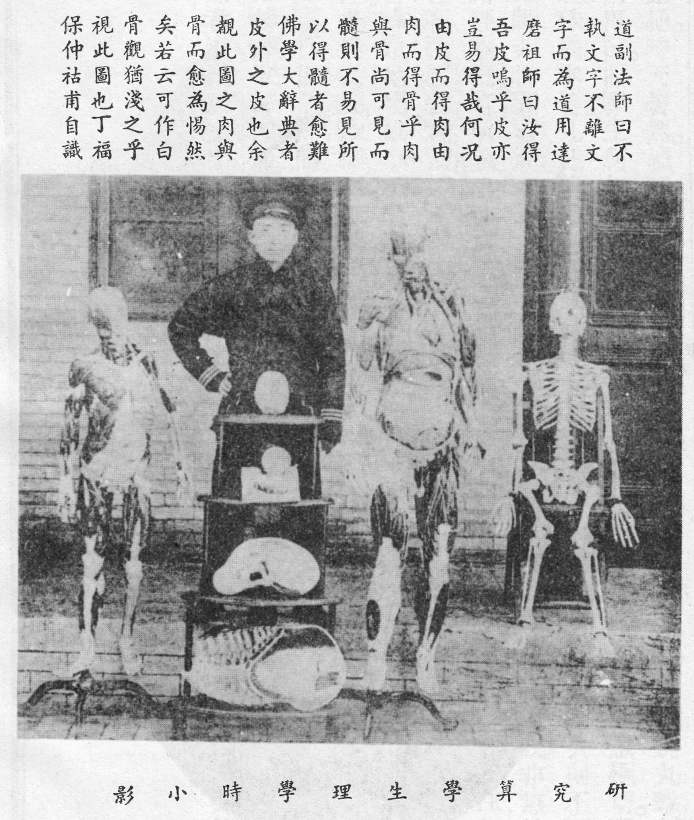
Figure 1: Ding Fubao (1874 - 1952), pictured in uniform along with medical models. From Foxue da cidian 佛學大辭典 (The Great Dictionary of Buddhism) (Shanghai: Yixue shuju, 1922). |
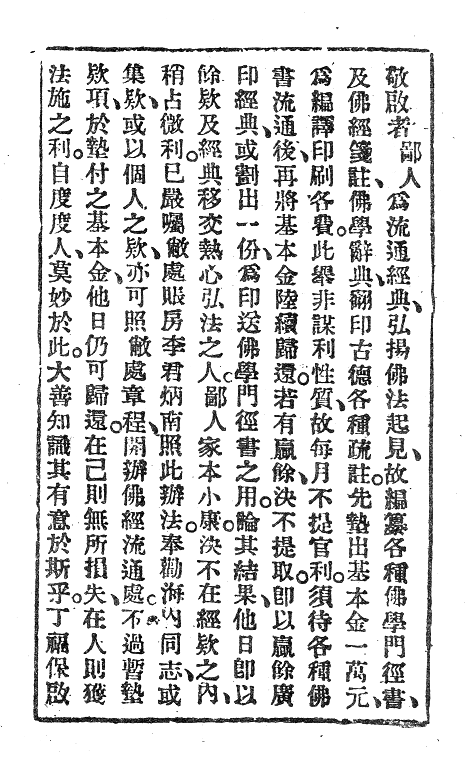
Figure 2: Editor's note that appears in many of the titles in Ding's series. |
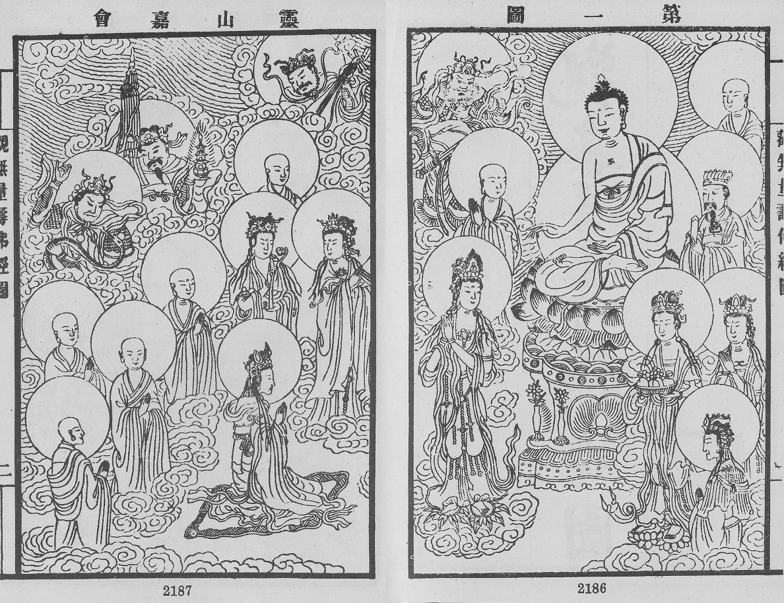
Figure 3: Illustration from Guan wuliang shou Fojing jianzhu 觀無量壽佛經箋註 (Annotated Sūtra of the Meditation on the Buddha of Immeasurable Life), 1918. |
Numerous, numerous! The sea of scriptures! Take one step into it, and it's a vast [expanse] without a shore. All who see the vast sea of work to be done simply sigh with despair. It is as if we are in a boat on the ocean and encounter a sudden storm of angry waves. One glimpse at the limitlessness, and all the passengers look at each other in fear. Ding Fubao, Foxue congshu 佛學叢書, 377.
IntroductionPublishing scriptural texts has been an important practice among Buddhists in East Asia since at least the Tang dynasty (618 - 907 CE); not only is the earliest dated printed book a Chinese Buddhist scripture, but the East Asian collections of the Buddhist canon were some of the largest and most complex projects in publishing history. In the late nineteenth and early twentieth centuries, however, two innovations combined to produce an unprecedented expansion of Buddhist print culture in China. The first was the scriptural press, a xylographic (woodblock) publishing house that resembled those that had been run by temples for centuries, but with strong lay participation and distribution networks that connected individual presses. The second was the importation and adoption of mechanized movable type printing, which made it possible to publish greater numbers of texts at a lower cost than ever before, and which was initially used among Buddhists mainly for periodicals and other types of non-scriptural publications. The combination of these two new types of publishing methods allowed an unprecedented variety and number of Buddhist books to be published during the era spanning the end of the Qing dynasty (1644 - 1911) and the first decade of the Republic (1912 - 1949). With this new flood of texts, however, came a series of problems. One of these was that readers needed to be able to understand the often abstruse language and ideas of the Buddhist scriptural canon, which made use of specialized terms and grammatical forms dating from several different eras of translation. In a temple or monastic setting, students could learn these skills through instruction and memorization, but the expanded reach of Buddhist printed materials was beginning to incorporate a more diverse set of readers, including many lay people. One of the first publishers of Buddhist books to recognize this problem was the exegete, physician, and polymath Ding Fubao 丁福保 (Ding Zhongyou 丁仲祐, 1874 - 1952), and his solution was to compile a series of books entitled Foxue congshu 佛學叢書 (Buddhist Studies Collectanea) that was first published between 1918 and 1922. His primary concerns in producing this series were: providing readers with annotated scriptures that explained difficult terms and ideas; collecting and presenting evidence of phenomena that proved the reality of karmic retribution and other 'supernatural' aspects of Buddhist teachings; and finally, publishing the tools that readers needed to read and interpret the scriptures for themselves: namely, dictionaries of Buddhist terminology. The series was well-received and Buddhist publishers continued to publicize it and offer it for sale throughout the Republican period; his efforts were also mirrored by other editors, who issued similar “outlines” or “books for beginners” that attempted to explain Buddhist subjects in terms that were easy for novices to understand. Ding's collectanea is, I would argue, one example of how developments in Buddhist print culture in modern China changed understandings of Buddhism itself. The expansion of the scale and scope of Buddhist publications in China from the 1870s to the 1930s not only broadened the field of media for the transmission of Buddhist ideas, but also had a significant effect on Buddhist religiosity. New methods of interacting with scriptural and other religious texts made possible and necessary by changes in printing techniques, publishing organizations, textual analysis, and other aspects of print culture were both innovative and transformative. These new practices were also potentially destabilizing to the established system of Buddhist education and teacher-disciple relationships, as a much wider and more diverse set of readers was empowered to study the scriptures using their own interpretive means. The new presses, publication groups, and textual genres of Buddhist print culture in modern China acted as a agent of change, transforming the ways in which people interacted with Buddhist texts and teachings. |