 |
 |
|
 |
|
|
 |
||
 |
||
 |
||
 |
||
 |
||
 |
||
 |
||
 |
||
 |
||
 |
||
 |
||
 |
||
 |
||
 |
||
 |
||
 |
||
 |
||
 |
||
 |
||
 |
||
 |
||
|
||
|
||
 |
||
 |
||
|
| Student Life: A Natural Setting Like No Other |
|
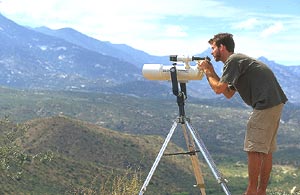
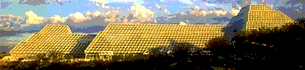
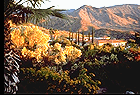
The beauty of the Southwest draws many students to Biosphere 2. With its open spaces, extraordinary vistas, and huge sky, the Sonoran Desert that envelops Biosphere 2 is a dramatic change from urban and suburban campuses. The programs—and the surroundings—offer students an opportunity for contemplation of nature and discovery of the awe and diversity of the desert’s plants, animals, geology, and climate. A Diverse
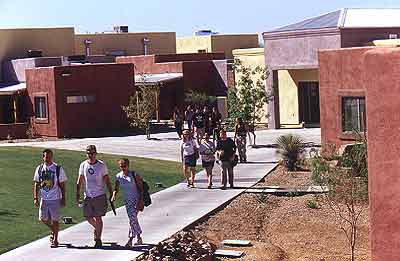
Community Through shared living facilities, course work, and field experiences, they do just that. Campus life is alive with a wide range of planned and impromptu activities—from lectures by visiting speakers to talent and art shows. Students share their artistic, athletic, and cultural talents, not to mention their cooking abilities, to create a close-knit living and learning community. Many alumni
of Biosphere 2 report that because of the daily interaction with
a relatively small group of students, they get to know each other
well and often develop lasting friendships. A New
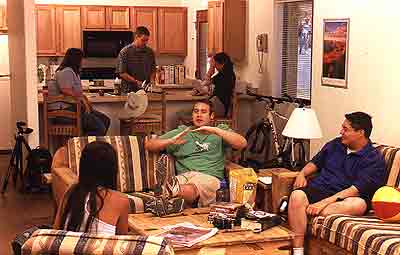
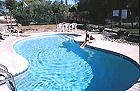
Student Village On campus, you live in fully furnished, three- to five-bedroom houses with fully equipped kitchens and living rooms, sharing a bedroom and bath with one other student (in most cases).
Exploring
Tucson and Nearby Sites Just 25 miles away, Tucson is a fast-growing metropolitan area. It is surrounded by a majestic desert, numerous canyons, and rugged mountains, all beneath an expanse of blue sky. The Tucson area enjoys more sunshine—about 350 days each year—than any other city in the United States. The mild winter temperatures allow for outdoor activity during the entire day and evening. Rich in history, Tucson offers up a fandango of music, food, Southwest heritage, and attractions, ranging from a nationally renowned rodeo and a 1960s-style street fair, to acclaimed regional theater companies, opera, and a rich calendar of national touring companies and artists. Increasingly cosmopolitan, Tucson restaurants serve up Thai, Chinese, Peruvian, Guatemalan, Pacific Rim, nouvelle . American, and other cuisines, complementing the many Mexican restaurants and coffee shops. Whether your taste is hip-hop, techno, blues, folk, salsa, or country-and-western, you can find live venues any weekend.
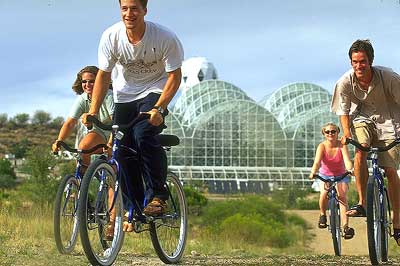
Students often join faculty and staff on weekend hikes and camping trips to outstanding natural sites like the Grand Canyon, Chiricahua National Monument, Saguaro National Park, and nearby state parks and “sky islands.” The dramatic Santa Catalina Mountains that back the Biosphere 2 campus attract rock climbers, hikers, and even skiers. Mt. Lemmon, the peak towering above the campus, boasts the southernmost ski area in the United States. Other active pursuits include golfing, skydiving, horseback riding, and biking. In fact, Tucson ranks among the best cycling cities in the United States according to Bicycling magazine. And hiking trails abound. There are more than 165 miles of trails nearby, for the adventurous as well as the leisure hiker. During the semester, students will arrange trips to the outstanding Arizona-Sonora Desert Museum, historic mining towns like Bisbee and Tombstone, as well as local attractions like the San Xavier mission, the historical arts village of Tubac, and Nogales, a Mexican border town 90 miles from campus. For students interested in Native American culture and activities, Tucson offers a rich selection, including Yaqui Easter ceremonies featuring deer dances and an epic, flower-strewn battle between Good and Evil; the Tohono O’odham Waila Festival of social dances to a polka beat; pow-wows; and the John the Baptist feast day, when water fights and prayers welcome the summer rains. Sporting
Events Health
Services Worship
Opportunities Public
Outreach
|