 |
 |
|
 |
|
|
 |
||
 |
||
 |
||
 |
||
 |
||
 |
||
 |
||
 |
||
 |
||
 |
||
 |
||
 |
||
 |
||
 |
||
 |
||
 |
||
 |
||
 |
||
 |
||
 |
||
 |
||
 |
||
|
|
Courses: |
|||||||||||||||||||||||||||||||||||||||||||||||
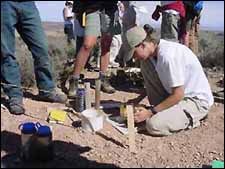
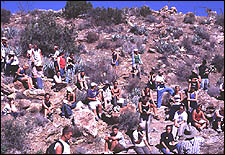
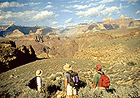
16 weeks / 16 credits Earth Semester uses the study of planetary ecosystems to provide a common orientation for learning in several disciplines. Concerns about greenhouse gases, energy sustainability, water management, and conservation of biodiversity are explored. Students learn skills that will help structure student interactions with the Earth and its inhabitants throughout their lives. These skills span the following areas: scientific method, data analysis, sample collection, systems modeling, interdisciplinary communication, teamwork, and written and oral presentations. Earth Semester labs include work in field sites which may include the Sea of Cortez, the Grand Canyon, the Santa Catalina Mountains, the Mojave Desert and other destinations where students learn directly from their surroundings. Our students come from colleges and universities across the United States and around the world. Detailed
Course Information - Course Dates:
Application Deadline: Location:
Credit:
Course Description:
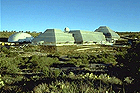
In the Earth Semester students learn the fundamental science of Earth and ecological systems as well as examine how science is used, not used or misused in the management of ecosystems. Students will apply lessons learned from the Biosphere 2 facility and regional case studies to the question of how people can better understand environmental problems on a global scale.
The Modules Earth Semester 2002 revolves around three modules: Sense of Place is designed to teach basic techniques for getting to know an environment. Students are introduced to the scientific method through short field-based projects backed up by lectures. Students learn techniques for collecting and analyzing field samples and data. They also learn about the forces that shape the local landscape on different time scales, from geologic processes to human activity. Environmental Systems uses a local and regional case-studies approach to exploring ecosystems, drawing examples from Biosphere 2, nature reserves, southwestern conservation plans, western water, urban systems and industrial systems. Students learn about the fundamental materials and energy flows in ecosystems, factors affecting biodiversity, and the effects of human activity on these flows of matter, energy and organisms. They also work in small groups to compare different approaches to managing ecosystems (including urban and industrial systems) by studying and discussing individual cases. Global Systems focuses on the science and management of climate change by applying the techniques for measuring, monitoring, modeling and managing local and regional systems to the global scale. Students critically examine the concept of sustainability and various proposals for the implementation of more sustainable practices and lifestyles. Students are exposed to a variety of perspectives on this issue from around the globe. Students negotiate a mock global treaty on carbon management. Semester Research Project Goals of Earth Semester
In order to meet the learning goals listed above, the Earth Semester will emphasize the following skills and concepts:
Sample Earth Semester
Schedule: Week 1: Orientation and Introduction Midterms Week 10: Global Systems I Graduation
Key: PMSL = Planetary Management Seminar and Laboratory. Small group meetings (12-25 students) mentored by faculty and TA�s to work on module projects, including discussion of readings, project planning, preparation of presentations and papers. Previous course syllabus Human Role = Human Role in Environmental Change course Previous course syllabus Con Bio = Conservation Biology course Previous course syllabus Earth Systems = Earth Systems Science course Previous course syllabus A, B, C, and D = Groups/sections of approximately 25 students Monday lectures: full class meetings to review important concepts for the week.
|
|||||||||||||||||||||||||||||||||||||||||||||||